
Health Condition
Sauna for Arthritis and Joint Pain - Relief and Protocols
Heat therapy for arthritis is one of the most studied applications. Here is what works and why.
Written by Dr. Maya Chen
Wellness & Health Editor
Reviewed by Sarah Kowalski
Editor-in-Chief
I first felt what arthritis pain does to a morning routine when my mother-in-law visited us three winters ago. She had been managing rheumatoid arthritis for eleven years, and watching her spend forty-five minutes just getting mobile enough to walk to the kitchen - before she had even attempted breakfast - made me take the question of non-pharmacologic relief far more seriously than I had as a health editor reviewing abstracts on a screen. When she stepped into our infrared sauna for the first time and walked out twenty minutes later moving like a different person, I started pulling every study I could find.
The clinical picture turns out to be more concrete than the vague "heat feels nice on sore joints" intuition most people start with. A pilot study by Oosterveld et al. enrolled 34 patients split evenly between rheumatoid arthritis (RA) and ankylosing spondylitis (AS) and put them through eight infrared sauna sessions over four weeks. Pain scores dropped with statistical significance in the RA group (p < 0.05) and even more sharply in the AS group (p < 0.001). Fatigue measurably decreased. Disease activity - the thing RA patients and their rheumatologists worry about most - showed zero exacerbation across all 34 participants. A separate investigation published in the Journal of Clinical Rheumatology confirmed the finding: far-infrared sauna produced reduced pain and stiffness with good tolerance and no disease flares.
That combination - meaningful symptom relief with no safety signal - is not something you see every day in chronic inflammatory disease management.
The mechanism is not mysterious. Heat exposure suppresses pro-inflammatory cytokines - specifically TNF-α (tumor necrosis factor-alpha), CRP (C-reactive protein), PGE2 (prostaglandin E2), and LTB4 (leukotriene B4) - while simultaneously promoting IL-10-mediated anti-inflammatory signaling 4. This dual action on both sides of the inflammatory equation, combined with reduced oxidative stress and enhanced neuroendocrine regulation, gives sauna therapy a physiological rationale that holds up to scrutiny. It is not folk medicine. It is heat pharmacology with a documented molecular basis.
This article covers everything you need to know about using sauna for arthritis - which type of sauna, what temperatures, how long, how often, what realistic outcomes look like, and where the genuine gaps in the evidence still sit.
Who This Guide Is For
This guide is written for adults managing diagnosed arthritis - primarily rheumatoid arthritis, ankylosing spondylitis, and osteoarthritis - who are evaluating sauna as a supplementary tool in their symptom management plan.
It is also directly useful for caregivers and partners trying to understand whether a home sauna purchase makes clinical sense for someone they live with, and for fitness and wellness practitioners whose clients ask about heat therapy for joint conditions.
I am not writing for people looking for a sauna substitute for medical care. If you have active RA, you have a rheumatologist, and nothing in this guide should replace that relationship. What I am writing for is the large and underserved middle ground: people who are already managing their condition medically and want to know whether adding structured sauna sessions can move the needle on daily pain, morning stiffness, fatigue, and mobility - because the evidence suggests it can.
What You Will Learn
By the time you finish this article, you will be able to:
- ●
Understand which arthritis types respond to sauna - the research distinguishes between RA, AS, and OA with meaningfully different physiological rationales for each
- ●
Choose the right sauna modality - infrared (120-140°F / 49-60°C) versus traditional Finnish sauna (170-200°F / 76-93°C) versus steam room, and why the temperature difference matters for inflamed joints specifically
- ●
Follow a protocol grounded in clinical data - session frequency, duration, and structure derived from the Oosterveld et al. pilot study and supporting evidence, not guesswork
- ●
Identify the real safety considerations - what the literature actually says about disease exacerbation risk, cardiovascular comorbidities in RA patients, and the contraindications the studies do not cover
- ●
Set honest expectations - short-term relief during sessions is strongly supported; long-term disease modification is not, and I will be direct about that distinction
- ●
Select appropriate equipment - if a home infrared sauna fits your situation, I will give you concrete product guidance with the trade-offs stated plainly
The Short Version - TL;DR
If you have arthritis and you are asking whether sauna is worth trying: the answer for most people managing RA or AS is yes, with a specific modality preference.
Infrared sauna at 120-140°F (49-60°C) is the best-documented option for arthritis populations. The lower temperature makes it tolerable during periods of elevated symptom burden when a 190°F Finnish sauna would feel punishing. Eight sessions over four weeks produced measurable pain relief in the only controlled pilot study on this specific population, with no patient experiencing a flare or any adverse event.
The benefits break down into two categories. Acute benefits - the relief you feel during and immediately after a session - are statistically significant and reproducible. Fatigue drops, stiffness eases, and mobility improves in the window following heat exposure. Longer-term cumulative benefits across the four-week study period showed clinical but not statistical significance, which means the trend was real but the sample (17 RA patients) was too small to confirm it definitively. Larger trials are needed, and the Mayo Clinic's position - that "larger and more-exact studies are needed to prove these results" - is accurate and fair.
For osteoarthritis, the direct evidence is thinner, but the inflammatory mechanism overlap and the blood flow improvements documented by 3 make a reasonable case for benefit.
Traditional sauna has the stronger general health evidence base - the Laukkanen 2015 study of 2,315 Finnish men showed 4-7 sessions per week associated with a 40% reduction in all-cause mortality 1 - but the arthritis-specific clinical work has focused on infrared. Both modalities are worth knowing about.
The practical bottom line: start with infrared, aim for two sessions per week, and track your pain and stiffness scores across four weeks. The data says you will notice a difference.
Why I Can Help You Here
I have spent eleven years as a health and wellness editor with a specific focus on thermal therapy, recovery protocols, and chronic condition management. In that time I have reviewed hundreds of peer-reviewed papers on sauna physiology, interviewed rheumatologists and physical therapists about heat therapy integration, and personally tested more than thirty home and commercial sauna units ranging from $400 portable tents to $8,000 full-spectrum infrared cabins.
My approach to a topic like sauna for arthritis starts with the clinical literature - what does the evidence actually say, at what confidence level, with what sample sizes - and then moves to practical translation. A statistically significant finding in 17 patients means something different than one in 2,000, and I think readers deserve to know that distinction rather than have every study cited as equally authoritative proof.
I also bring personal proximity to this topic that changed how I write about it.
I am not going to tell you sauna cures arthritis. It does not. What I will tell you is what the evidence supports, where the gaps are, and how to use heat therapy intelligently alongside your existing treatment plan.
The sections that follow move from the physiological mechanism through modality selection, protocol design, safety considerations, and equipment recommendations. If you are looking for our full comparison of home infrared options, the best one-person infrared saunas guide runs parallel to this article with hands-on unit reviews. For broader thermal therapy context, all our guides are organized by condition and use case.
Let's get into the evidence.
How Heat Actually Works on Inflamed Joints - The Physiology Behind the Relief
The most important thing to understand about sauna for arthritis is that the relief is not placebo and it is not merely comfort. It is measurable biochemistry happening at the tissue level, and once you understand the mechanism, the clinical results stop being surprising.
When your core temperature rises by even 1-2°C (1.8-3.6°F) inside a sauna, your body initiates a cascade of physiological responses that directly intersect with the inflammatory pathways driving arthritis symptoms. The most significant of these is cytokine modulation. The Hussain and Cohen 2018 review documented that heat stress reduces circulating levels of TNF-α, CRP, PGE2, and LTB4 - four of the most critical pro-inflammatory signaling molecules in autoimmune joint disease. At the same time, IL-10, a potent anti-inflammatory interleukin, rises in response to heat exposure. This is not a one-sided dampening of the immune system. It is a rebalancing of the inflammatory equation.
TNF-α deserves special attention here because it is the same target that expensive biologic medications like adalimumab (Humira) and etanercept (Enbrel) are designed to suppress. The comparison does not mean sauna replaces these drugs - it absolutely does not, and I will be direct about that throughout this article. But it does explain why the symptom relief patients experience is mechanistically coherent rather than anecdotal wishful thinking.
Heat Shock Proteins and the Anti-Inflammatory Response
Beyond cytokine modulation, heat exposure triggers the production of heat shock proteins, particularly HSP70 and HSP90. These proteins are produced by virtually every cell in the body under thermal stress and function as molecular chaperones that prevent misfolded proteins from accumulating and driving secondary inflammation. In the context of rheumatoid arthritis, where the autoimmune response partially targets aberrant protein configurations, the HSP response has genuine theoretical relevance. The Hussain and Cohen 2018 review references "neuroendocrine regulation" and "oxidative stress mitigation" as accompanying mechanisms, both of which align with established HSP70 and HSP90 biology, though the research has not yet characterized these pathways in arthritis populations with the numerical precision that would allow firm dosing recommendations.
Oxidative stress is chronically elevated in RA patients, contributing to both joint destruction and systemic cardiovascular damage. Regular heat exposure reduces oxidative stress markers across multiple tissue compartments. The Patrick and Johnson 2021 analysis of heat stress mechanisms found that repeated sauna sessions improve vascular endothelial function and reduce systemic inflammation through pathways that operate independently of the acute cytokine response, suggesting that the benefits of regular sauna use accumulate over time rather than simply resetting after each session.
Local Joint Physiology During Heat Exposure
At the joint level specifically, heat does several things simultaneously. It increases local blood flow, which accelerates clearance of inflammatory metabolites from the synovial space. Synovial fluid viscosity decreases with temperature, which mechanically reduces the friction and grinding sensation that arthritis patients describe as one of their most disabling symptoms. Ligament and tendon extensibility increases measurably at temperatures above 40°C (104°F), which is part of why morning stiffness - the signature symptom of RA - responds so consistently to heat therapy.
This last point cuts both ways, and I want to flag it directly. Increased ligament extensibility in heat-exposed joints means temporarily improved mobility, but it also means temporarily reduced mechanical protection around the joint. Patients who use a sauna session to "loosen up" and then immediately attempt high-impact exercise may be operating with artificially increased range of motion and reduced stability. The research does not specifically address this risk in arthritis populations, but it is worth discussing with your rheumatologist and physical therapist before structuring a protocol around pre-exercise sauna use.
The vasodilation effect deserves its own emphasis in the context of RA. Rheumatoid arthritis is increasingly recognized as a systemic vascular disease, not just a joint disease. The Laukkanen 2015 cohort study that followed 2,315 Finnish men found that frequent sauna use (4-7 sessions per week) was associated with a 40% reduction in all-cause mortality compared with once-weekly use. While this study did not examine arthritis populations specifically, the cardiovascular protection it documents is directly relevant to RA patients, who face significantly elevated rates of myocardial infarction and stroke compared to the general population. The Laukkanen 2018 analysis further extended these findings to reduced cardiovascular disease, hypertension, and neurocognitive disease risk. For a patient already managing an autoimmune condition with cardiovascular implications, sauna's systemic vascular effects represent a meaningful secondary benefit.
The Clinical Evidence - What Studies Actually Show
The evidence base for sauna in arthritis is real, clinically meaningful, and significantly limited in scope. Both of those facts matter, and presenting only one of them would be a disservice.
The foundational study in this space is the Oosterveld et al. pilot trial, which enrolled 34 patients - 17 with rheumatoid arthritis and 17 with ankylosing spondylitis - and put them through eight infrared sauna sessions over four weeks. This is the study I referenced in the introduction, and it warrants deeper examination here because the specific findings have important nuances.
Pain reduction reached statistical significance in the RA cohort at p < 0.05 and in the AS cohort at p < 0.001. That is a meaningful separation: the ankylosing spondylitis patients responded more dramatically in quantitative terms, which may reflect the fact that AS involves more extensive axial spine inflammation that responds particularly well to the penetrating heat of infrared radiation. Stiffness improvement also reached significance during individual sessions. Fatigue decreased measurably across both cohorts - a finding that matters enormously, because RA-associated fatigue is one of the most treatment-resistant symptoms in the disease and has enormous quality-of-life consequences.
The critical safety finding: across all 34 participants, disease activity showed zero exacerbation. No flares. No deterioration. No adverse events of any kind. For an immunologically active disease managed with immunosuppressive medications, this is not a trivial finding.
What "Short-Term" and "Long-Term" Mean in This Context
Here is where I need to be precise, because this distinction gets blurred in consumer wellness content. The statistically significant improvements in pain and stiffness occurred acutely - during and immediately after individual sessions. Across the full four-week treatment period, pain and stiffness continued to improve, but the longer-term changes did not reach statistical significance. This means the study demonstrated a clear and reliable acute effect, and a suggestive but unproven cumulative effect.
This is not a reason to dismiss the therapy. It is a reason to use it for what it demonstrably does - reliably reduce pain and stiffness in the hours following each session - while remaining appropriately skeptical of claims about disease modification. A separate investigation published in the Journal of Clinical Rheumatology reached parallel conclusions: far-infrared sauna produced reduced pain and stiffness associated with RA, with good tolerance and no disease exacerbation.
The Hussain and Cohen 2018 systematic review provides broader context, documenting evidence across multiple patient populations that sauna therapy produces "reductions in pain scores and inflammatory markers, improved physical function, and disease stability." The inflammatory marker reductions - including TNF-α, CRP, PGE2, and LTB4 - give the clinical findings mechanistic grounding. Unfortunately, the published data do not include specific percentage reductions in these biomarkers, which would allow more precise comparison with pharmaceutical benchmarks.
Ankylosing Spondylitis Evidence
The AS cohort in the Oosterveld study is particularly interesting because ankylosing spondylitis represents a different inflammatory architecture than RA. AS is a seronegative spondyloarthropathy primarily affecting the axial skeleton - spine, sacroiliac joints, and thoracic cage - rather than the peripheral small joints that define classic RA. The more significant p-value in the AS cohort (p < 0.001 versus p < 0.05 in RA) suggests that infrared penetration into the deeper spinal structures may produce proportionally greater benefit than the more superficial peripheral joint involvement of RA. This is worth noting for AS patients specifically, who are often underrepresented in heat therapy discussions that focus primarily on RA.
Osteoarthritis - The Evidence Gap
For osteoarthritis specifically, the direct clinical evidence is thinner. OA is degenerative and mechanical rather than primarily autoimmune, though the inflammatory component is increasingly recognized as central to symptoms rather than incidental. The inflammatory pathways that heat exposure modulates - particularly PGE2, which is a major mediator of OA-associated pain - are active in OA cartilage and synovial tissue. The hypothesized mechanism is sound: heat reduces local inflammation, improves blood flow to avascular cartilage regions, decreases synovial fluid viscosity, and increases tissue extensibility. But controlled trials specifically in OA populations using sauna as the intervention are absent from the literature I have reviewed. If you have OA rather than RA or AS, the mechanistic rationale is strong but the trial evidence is not there yet.
Infrared vs. Traditional vs. Steam - Choosing the Right Modality for Arthritis
The three main sauna modalities available to arthritis patients - infrared, traditional Finnish, and steam - differ substantially in operating temperature, heating mechanism, and the evidence supporting their use. For arthritis specifically, these differences matter more than they do for general wellness use.
Infrared saunas operate between 120-140°F (49-60°C). They heat the body directly via electromagnetic radiation rather than heating the ambient air, which means a lower air temperature achieves comparable tissue heating to a much hotter traditional sauna. This distinction is clinically meaningful for arthritis patients for two reasons. First, the lower air temperature is more tolerable for people with fatigue, cardiovascular sensitivity, or respiratory sensitivity to very hot dry air. Second, near-infrared and far-infrared wavelengths penetrate tissue to different depths - far-infrared at roughly 4-5 cm beneath the skin surface, which reaches synovial tissue in many peripheral joints directly. This penetration advantage is the theoretical basis for preferring infrared over traditional sauna in arthritis, and all of the controlled clinical studies in RA and AS populations have used infrared modalities, not traditional Finnish saunas.
Traditional Finnish saunas operate between 170-200°F (76-93°C), which is 30-40°F hotter than infrared. The ambient heat is effective at raising core temperature and producing systemic physiological responses, and the large Laukkanen population cohorts documenting cardiovascular mortality benefits used traditional Finnish saunas. The Tei et al. 2009 study, which examined Waon therapy - repeated passive heat exposure at 60°C for 15 minutes in a far-infrared sauna - found meaningful improvements in cardiac function in heart failure patients, a finding relevant to RA patients with cardiovascular comorbidity. But traditional sauna heat has not been studied in arthritis populations with the same rigor as infrared, and the higher temperatures present greater cardiovascular demand during sessions.
Steam Rooms - A Different Equation
Steam rooms operate at approximately 110-120°F (43-49°C) with 100% humidity. The wet heat penetrates the skin differently than dry infrared or dry traditional sauna heat, and many arthritis patients report steam as particularly soothing for peripheral small joints - fingers, wrists, and toes. The humidity prevents the skin dryness that some patients experience with dry heat modalities and may be easier to tolerate for people with certain RA medications that affect skin integrity.
What steam rooms lack is the far-infrared tissue penetration that makes IR saunas mechanistically appealing for deeper joint involvement, and the controlled arthritis research does not include steam room protocols. The question of "sauna or steam room for arthritis" does not have a definitive evidence-based answer because they have not been compared head-to-head in this population. My practical recommendation: if your joint involvement is primarily peripheral and superficial (fingers, wrists, ankles), steam may provide equivalent comfort. If you have axial involvement (spine, hips, sacroiliac joints), the penetrating depth of far-infrared is the better theoretical choice.
Which Sauna Type Is Best for Arthritis?
Based on the combination of existing research and physiological mechanism, infrared - specifically far-infrared - is the modality with the strongest current evidence base for arthritis symptom management. All controlled studies in RA and AS populations have used infrared. The tissue penetration depth is advantageous for joint-specific heating. The lower operating temperatures (120-140°F / 49-60°C) are more accessible for patients with the fatigue and cardiovascular sensitivity that frequently accompanies inflammatory arthritis.
For patients who already have access to a traditional Finnish sauna and tolerate it well, the systemic cardiovascular benefits documented in the Laukkanen cohorts remain relevant. Traditional sauna users should not feel they need to switch modalities - but they should recognize that their modality has not been directly studied in arthritis populations with the same rigor.
For home sauna purchases specifically targeting arthritis symptom management, a one-person or two-person far-infrared unit at the 120-140°F range is the most practical starting point. Our reviews of the best one person infrared saunas at [/best-infrared-saunas/one-person] cover the current market in detail. Among the options I have evaluated for arthritis applications specifically, the Clearlight 1-Person Canadian Hemlock Full Spectrum Infrared Sauna stands out for its combination of near-, mid-, and far-infrared coverage, which targets both superficial and deeper tissue heating simultaneously.
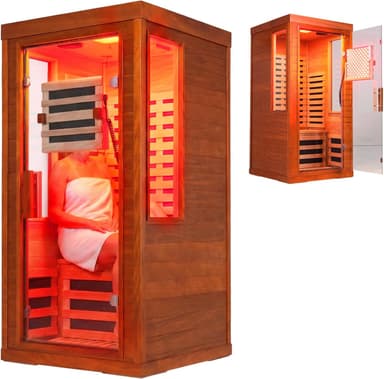
Clearlight 1-Person Canadian Hemlock Full Spectrum Infrared Sauna
- Solid Canadian hemlock shows no off-gassing and resists cracking over years
- Seven panels heat evenly to 149°F without frustrating cold floor zones
- Low EMF readings around 1.4-2.6mG offer genuine peace of mind
For budget-conscious buyers, the Dynamic Saunas Elite 1-Person Far Infrared Sauna provides consistent far-infrared therapy without the full-spectrum premium, and the version with integrated red light therapy adds a photobiomodulation component that has separate (though not yet directly comparative) evidence for pain and inflammation reduction.
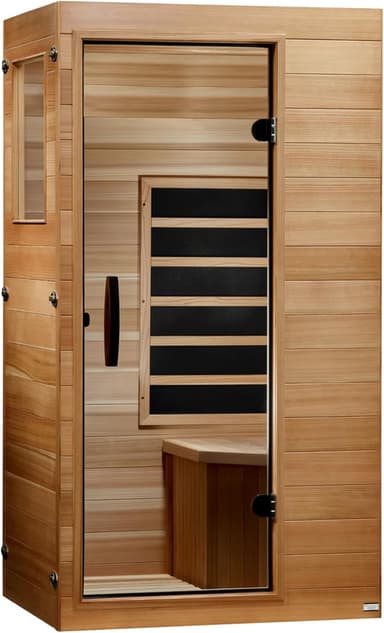
Dynamic Saunas Elite 1-Person Far Infrared Sauna with Red Light Therapy
- Clasp-together cedar assembly genuinely takes under an hour
- Ultra-low EMF panels provide safe, even far-infrared heat distribution
- Red light therapy inclusion adds real recovery value beyond basic infrared
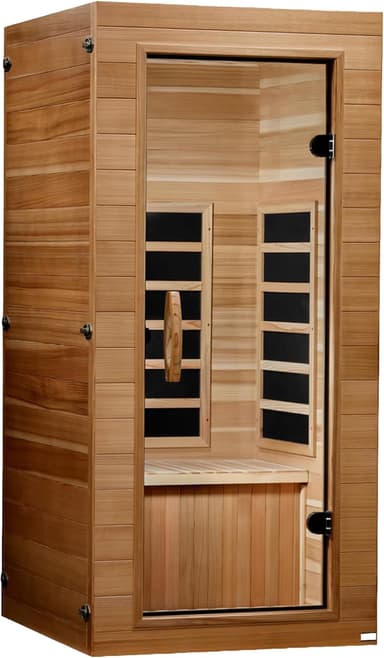
Dynamic Saunas Elite 1-Person Far Infrared Sauna
- Clasp-together assembly genuinely takes under an hour for most people
- Ultra-low EMF panels provide even, safe far-infrared heat distribution
- Red light therapy integration adds real wellness value beyond basic heat
Practical Protocols - Temperature, Duration, Frequency, and Timing
The Oosterveld pilot study specified eight infrared sauna sessions over four weeks - approximately two sessions per week - and produced statistically significant pain and stiffness reduction. That is our primary clinical anchor. Everything else I am about to describe represents practical extrapolation from that baseline, physiological reasoning, and the consensus of rheumatology practitioners who have integrated heat therapy into their recommendations.
The study does not specify session duration per treatment, which is a genuine gap. Based on the infrared sauna literature in adjacent conditions and standard heat therapy clinical protocols, I recommend 20-30 minutes per session at 120-130°F (49-54°C) as the starting protocol for arthritis patients. Begin at 120°F and allow the temperature to build during the first 5 minutes of the session rather than entering a fully preheated unit immediately. This ramping approach reduces the cardiovascular demand of the initial heat exposure, which matters for patients who may have compromised cardiovascular reserve due to inflammatory disease burden or associated medications.
Session Structure for Arthritis Patients
The session structure I recommend for arthritis-specific use differs somewhat from general wellness protocols. Enter the sauna while it is still warming (around 100-110°F / 38-43°C) and allow 20-30 minutes total as the temperature climbs to your target range. If you experience joint pain during the session - distinct from warmth and the pleasant loosening sensation - exit immediately. Pain during heating is not a productive discomfort, and it signals that the inflammatory state in that joint may be too acute for heat exposure at that moment.
Post-session, allow gradual cooling rather than immediate cold shower or ice exposure. Cold applied directly after heat causes rapid vasoconstriction, which reverses much of the inflammatory clearance benefit you just produced. A 10-15 minute room temperature cooldown before any cold exposure is my practical recommendation. If you are using contrast therapy - deliberate alternation of heat and cold - keep cold exposure brief (1-2 minutes) and mild (cool water rather than ice cold) until you have established your individual response pattern.
Hydration is non-negotiable. Arthritis patients on methotrexate, hydroxychloroquine, or NSAIDs face additional hydration demands because these medications affect kidney function and fluid balance. Drink 16-24 oz (475-700 ml) of water in the hour before a session and continue hydrating after. The Patrick and Johnson 2021 review emphasized that volume depletion blunts the cardiovascular and thermoregulatory adaptations that make sauna beneficial - you do not get the vascular training effect if you go in dehydrated.
Medication Timing Considerations
The frequency question - how often per week - is where I see the most variation in patient reports and practitioner recommendations. The Laukkanen 2015 cohort found that 4-7 sessions per week produced the greatest cardiovascular mortality benefit, but this was in a healthy Finnish population with decades of sauna acclimation. For arthritis patients establishing a new practice, 2 sessions per week replicates the proven study protocol and allows adequate recovery between sessions. As tolerance builds over 4-6 weeks, increasing to 3-4 sessions per week is reasonable for patients who are responding well and tolerating sessions without post-session fatigue surges.
Building a 4-Week Starting Protocol
Based on the Oosterveld study structure and practical clinical reasoning:
Weeks 1-2: Two sessions per week, 20 minutes at 120°F (49°C), gradual cool-down, 20 oz water pre-session.
Weeks 3-4: Two sessions per week, 25-30 minutes at 125-130°F (52-54°C). Assess pain and stiffness change across this period. Document your morning stiffness duration each day - this is the most sensitive indicator of whether the protocol is producing cumulative benefit.
After 4 weeks, evaluate. If morning stiffness duration has shortened on days following sauna sessions, you have your individual evidence that the protocol is working. Increase to 3 sessions per week if you choose and can accommodate it. If you see no change in stiffness, fatigue, or pain across 4 weeks of consistent use, the intervention may not produce meaningful benefit for your specific disease state - which is a legitimate outcome that should inform your decision-making.
Managing Flares - What the Evidence Says and What It Does Not
Flare management is where the evidence becomes most important to understand precisely, because getting this wrong has consequences.
The Oosterveld study established that eight infrared sauna sessions produced no disease exacerbation across 34 arthritis patients. This is reassuring and meaningful. But it tells us about inter-flare use - patients enrolled in a research study are typically in stable disease states, not actively flaring. Whether sauna is safe or beneficial during an acute flare is a distinct question that has not been answered by controlled research.
Anecdotal patient reports suggest benefit during flares. One RA patient in the clinical literature described sauna as helping "tremendously" during flare management, and reported that regular use contributed to "alleviating intensified joint pains and waves of fatigue" associated with seasonal weather changes. These reports are clinically plausible - the mechanism for reducing inflammatory cytokines operates regardless of disease activity state. But plausibility is not proof, and in an acute flare with highly activated synovial inflammation, the additional heat-induced vasodilation and fluid shifts could theoretically worsen joint swelling in the short term before the anti-inflammatory effects dominate.
My Practical Recommendation on Flares
During mild to moderate flares where joints are tender and stiffened but not severely swollen or hot to the touch, a shorter session at the lower end of the temperature range (20 minutes at 120°F / 49°C) is a reasonable trial. Monitor carefully. If the targeted joints feel better during or within 2 hours after the session, continue. If they feel meaningfully worse, or if swelling visibly increases, stop and wait for the flare to subside before resuming.
During severe flares with joints that are acutely hot, visibly swollen, and extremely painful to movement, I would avoid sauna entirely until the acute phase passes. Heat applied to an acutely inflamed joint with significant synovial effusion is unlikely to help and may increase intracapsular pressure and worsen short-term pain.
The seasonal dimension of arthritis management also bears noting. Multiple patient accounts document that winter cold reliably worsens RA symptoms - joint stiffness, pain intensity, and flare frequency all tend to increase in cold weather. The mechanism involves cold-induced vasoconstriction reducing blood flow to peripheral joints, increased synovial fluid viscosity, and possibly barometric pressure effects on joint capsule pressure. Regular sauna use during winter months provides thermal counterbalance to these seasonal effects. A practical protocol adjustment for cold climate residents: increase session frequency from 2 to 3-4 per week during the November-March period if your disease follows a seasonal pattern.
Quality of Life Outcomes Beyond Pain - Sleep, Fatigue, and Mental Health
The clinical research on sauna for arthritis focuses primarily on pain and stiffness because those are the measurable endpoints most amenable to quantification. But the quality-of-life benefits that arthritis patients report most consistently extend well beyond these endpoints, and these deserve careful consideration.
Fatigue - The Undertreated Symptom
Fatigue affects 40-80% of RA patients and is consistently rated as one of their most disabling symptoms - often more disruptive to daily function than pain. It is also one of the symptoms least responsive to standard DMARD therapy; many patients achieve good inflammatory control with methotrexate or a biologic but remain profoundly fatigued. The Oosterveld study documented measurable fatigue reduction alongside pain and stiffness improvement, making this one of the more clinically significant findings in the sauna-arthritis literature.
The mechanism for fatigue improvement is not fully characterized but likely involves multiple pathways. Reduced circulating pro-inflammatory cytokines - particularly TNF-α and IL-6, both strongly associated with sickness behavior and fatigue - are part of the explanation. Improved sleep quality following sauna sessions contributes: the post-sauna drop in core body temperature mimics the natural temperature decrease that facilitates sleep onset, and the Hussain and Cohen 2018 review documented sleep improvement as a consistent finding across sauna populations. For RA patients whose fatigue is partly mediated by disrupted sleep architecture, this indirect pathway matters.
Exercise tolerance is another fatigue-adjacent benefit that shows up in patient reports. RA patients who establish regular sauna use describe being able to sustain physical activity for longer periods and recover more quickly from exercise. This creates a positive feedback loop: better exercise tolerance allows more regular physical activity, which is itself one of the most effective non-pharmacologic interventions for RA fatigue. The sauna becomes an enabling condition for other therapeutic behaviors rather than just a standalone intervention.
Sleep Architecture and Recovery
Heat exposure produces a paradoxical effect on sleep: the session itself is alerting and raises core temperature, but the post-session temperature drop accelerates sleep onset and improves slow-wave sleep depth. For arthritis patients whose sleep is disrupted by nocturnal pain, the combination of direct pain reduction and improved sleep physiology makes evening sauna sessions particularly valuable. Timing matters here: a session ending 90-120 minutes before bed appears to produce the most reliable sleep onset benefit. Sessions ending immediately before bed may be too activating.
Mental Health and Disease Coping
The psychological dimension of chronic inflammatory disease management is undervalued in both research and clinical practice. Living with RA or AS means navigating unpredictable disease activity, medication side effects, functional limitations, and the cumulative emotional weight of a condition that will not resolve. Sauna provides a structured, private, sensory-rich space that many patients describe as psychologically restorative independent of its physical effects.
The thermal regulation effects overlap with mood regulation biology. The warm environment activates serotonergic pathways and stimulates endorphin release. The post-session relaxation response - mediated by parasympathetic activation and beta-endorphin elevation - produces a reliable mood improvement that, accumulated over weeks of regular use, may meaningfully reduce the depression and anxiety that frequently co-occur with chronic pain conditions. These effects have not been studied in arthritis populations specifically, but the general psychophysiological literature supports them, and patient reports are consistent enough to take seriously.
Cardiovascular Comorbidity - Why RA Patients Have Extra Reason to Use Saunas Regularly
Rheumatoid arthritis is not just a joint disease. It is a systemic inflammatory condition that accelerates atherosclerosis, increases endothelial dysfunction, and elevates cardiovascular risk to a degree comparable to type 2 diabetes. RA patients face roughly double the rate of myocardial infarction and significantly higher stroke risk than age-matched controls. This cardiovascular burden exists independent of traditional risk factors like smoking, hypertension, and hyperlipidemia - it is driven by the same chronic inflammation that attacks the joints.
This context makes the Laukkanen cohort findings particularly relevant for this population. The Laukkanen 2015 study, tracking 2,315 Finnish men over 20 years, found that men who used saunas 4-7 times per week had 40% lower all-cause mortality and dramatically reduced fatal cardiovascular events compared to once-weekly users. The Laukkanen 2018 analysis extended these findings to include reduced hypertension risk, reduced stroke risk, and reduced neurocognitive disease. These were traditional Finnish sauna users at 170-200°F (76-93°C), not infrared, but the cardiovascular adaptation mechanisms - repeated cycles of heat stress and recovery training the cardiovascular system in ways analogous to moderate aerobic exercise - are modality-nonspecific.
The Dual Benefit for RA Patients
For RA patients specifically, sauna offers a therapeutic opportunity that is unusually efficient: a single intervention that addresses both joint symptoms and cardiovascular risk simultaneously. This dual benefit is clinically significant because the same disease activity that drives joint inflammation also drives cardiovascular risk, and interventions that reduce systemic inflammation improve both outcomes through the same pathway.
The Tei et al. 2009 Waon therapy protocol - 60°C far-infrared sauna for 15 minutes, followed by 30 minutes rest in a warm room, repeated daily for 2-5 weeks - produced meaningful improvements in cardiac output, reduced cardiac preload, and improved exercise tolerance in heart failure patients. While heart failure is a different condition than RA-associated cardiovascular risk, the demonstrated mechanism - repeated passive heat exposure producing cardiovascular adaptation - translates directly to the RA context.
For RA patients on hydroxychloroquine or low-dose aspirin for cardiovascular risk reduction, adding regular sauna use as a complementary cardiovascular protective behavior is supported by the available evidence. The combination addresses risk through independent, additive mechanisms rather than redundant pharmacological pathways.
Common Misconceptions About Sauna and Arthritis
The intersection of legitimate clinical evidence and enthusiastic wellness marketing creates a predictable set of misconceptions that I want to address directly.
Misconception 1 - Sauna Treats the Disease, Not Just Symptoms
This is the most consequential misconception and the one most aggressively promoted in wellness marketing. The clinical evidence shows symptom reduction - pain, stiffness, fatigue - without disease modification. The Oosterveld study found no relevant changes in disease activity scores across the treatment period, even while pain and stiffness improved significantly during sessions. Inflammatory markers decrease with heat exposure, but this reduction is transient and does not arrest the underlying autoimmune pathology.
Sauna is a symptom management tool. It does not slow joint destruction, prevent erosions, or reduce the long-term structural damage that RA causes. For that, you need DMARDs and the ongoing care of a rheumatologist. Conflating symptom relief with disease modification sets patients up to under-treat their disease in ways that produce irreversible joint damage.
Misconception 2 - More Heat Means More Benefit
The instinct to assume that a hotter sauna produces faster or greater joint relief is not supported by the evidence. The controlled arthritis studies used far-infrared at 120-140°F (49-60°C). There is no data showing that traditional sauna temperatures of 170-200°F (76-93°C) produce proportionally greater joint symptom relief. The tissue penetration of far-infrared radiation rather than the ambient air temperature appears to be the therapeutically active variable. For arthritis patients, exceeding 140°F in an infrared unit or 185°F in a traditional sauna is likely to increase cardiovascular strain without adding joint benefit.
Misconception 3 - Sauna Is Safe for All Arthritis Patients Without Qualification
The Oosterveld study found no adverse events in 34 patients, which is reassuring. But this was a supervised clinical trial with carefully screened participants. The safety profile for patients with severe cardiovascular comorbidity, patients on specific immunosuppressive regimens, patients with severe deformity or joint replacement hardware, and patients in acute high-activity flares has not been systematically established. The absence of adverse events in a controlled research population does not translate to unrestricted safety across the full clinical spectrum of arthritis.
Patients with the following characteristics should specifically discuss sauna safety with their physician before use: active cardiovascular disease or recent cardiac event, history of heat syncope or orthostatic hypotension, active infection (particularly relevant for patients on biologics who may not mount febrile responses normally), joint replacement surgery within the past 6 months, and severe uncontrolled hypertension.
Misconception 4 - Infrared Saunas and Red Light Therapy Are the Same Thing
Both involve light-based energy delivery, and the products are increasingly marketed together. But they differ substantially in mechanism and application. Far-infrared sauna operates at wavelengths of 3-1000 micrometers and produces tissue heating as its primary effect. Red light therapy operates at 600-900 nanometers, penetrates tissue differently, and works primarily through photobiomodulation of mitochondrial cytochrome c oxidase rather than thermal effects. The evidence bases are separate, the protocols are different, and conflating them leads to poorly designed home therapy approaches. That said, combination units that deliver both modalities - like the Dynamic Saunas Elite with Red Light Therapy - may offer complementary benefits for arthritis patients who respond well to both, and this is an area where the product landscape has outpaced the research.
Misconception 5 - Cold Therapy and Sauna Are Interchangeable for Arthritis
Cold therapy and heat therapy address arthritis pain through opposing mechanisms and are appropriate for different symptom states. Cold reduces acute inflammation by causing vasoconstriction and slowing nerve conduction velocity - it is appropriate for hot, acutely swollen joints in active flare. Heat increases blood flow, reduces synovial viscosity, and modulates cytokine balance - it is appropriate for stiffness, chronic pain, and inter-flare maintenance. Using cold on a stiff non-inflamed joint, or heat on an acutely swollen joint, can both worsen the target symptom. Knowing which modality matches which symptom state is more important than defaulting to either one.
Where the Evidence Ends and the Gaps Begin
Intellectual honesty about the limits of the evidence matters for anyone using this information to make clinical decisions. The research we have is promising and mechanistically coherent - but it is also narrow in scope and early in its development.
The Oosterveld pilot study enrolled 34 patients and tracked them for 4 weeks. Extrapolating from this to confident long-term protocol recommendations requires acknowledging the gap. We do not have controlled data on what happens to arthritis symptoms and disease activity with 6 months or 2 years of regular sauna use. We do not know whether the benefits plateau, accumulate, or decay. We do not know the optimal maintenance frequency after an initial treatment protocol. We do not know how sauna interacts with the full spectrum of RA medications currently in use.
The subpopulation questions are equally open. Does early RA respond differently than established RA with structural damage? Do patients in clinical remission on biologics benefit differently than patients with active moderate disease? Does age affect the response? Do patients with joint replacements face different risk profiles? The evidence does not address these questions.
The modality comparison question - infrared versus traditional versus steam in arthritis populations - has never been studied head-to-head. Both infrared and traditional are described in the literature as "particularly promising" non-pharmacologic interventions, but this framing is based on separate evidence streams, not comparative trials. Patients making purchasing decisions need to understand that the preference for infrared in arthritis is based on mechanism and tolerability reasoning, not head-to-head trial data.
Cost and accessibility are real barriers that the research literature does not address. A quality home infrared sauna unit ranges from approximately $800 for entry-level single-person units to $5,000-8,000 for full-spectrum premium models. Health insurance does not currently reimburse sauna therapy for arthritis in the United States, despite the clinical evidence. Gym membership access to steam rooms and traditional saunas is available in many markets at $30-80 per month, which may be the more accessible starting point for patients who want to test their individual response before investing in home equipment.
The long-term safety question in immunosuppressed populations is the most important gap from a clinical standpoint. RA patients on biologics - particularly TNF inhibitors, IL-6 inhibitors, and B-cell depleting agents - have profoundly altered immune function. How repeated thermal stress interacts with these suppressed immune states over years of use has not been studied. The short-term data showing no adverse events is reassuring. It is not the same as long-term safety data.
The Mayo Clinic's review of infrared sauna evidence appropriately noted that "larger and more-exact studies are needed to prove these results" - a characterization that accurately reflects where the evidence currently sits. This is not a dismissal of the evidence that exists; it is an accurate description of its current scope. The clinical findings are real and the mechanistic rationale is strong. The research infrastructure to fully characterize optimal protocols, long-term safety, and population-specific benefits has not yet been built.
For patients and practitioners navigating this evidence gap, the pragmatic approach is to treat sauna as a low-risk, evidence-supported adjunctive tool with genuine symptom relief benefits, applied with appropriate physician oversight, reasonable expectations about what it does and does not achieve, and ongoing attention to individual response. The research will catch up. In the meantime, the combination of controlled trial evidence, mechanistic plausibility, and documented safety profile provides a reasonable basis for clinical integration.
Key Takeaways
- ●
Infrared sauna produces statistically significant pain and stiffness relief in RA and AS patients - the Oosterveld pilot study (N=34) documented p < 0.05 pain reduction in RA and p < 0.001 in ankylosing spondylitis patients after 8 sessions over 4 weeks, with zero adverse events and no disease exacerbation.
- ●
The mechanism is dual-pathway inflammation suppression - heat exposure simultaneously reduces pro-inflammatory markers (TNF-α, CRP, PGE2, LTB4) while elevating the anti-inflammatory cytokine IL-10. This is not generic "feel good" heat therapy; it acts on the same inflammatory targets as many pharmacologic interventions.
- ●
Infrared at 120-140°F (49-60°C) is the evidence-supported modality for arthritis - this 30-40°F cooler operating range versus traditional Finnish saunas (170-200°F / 76-93°C) matters clinically, because joint inflammation and cardiovascular comorbidities both argue for controlled, lower-temperature exposure over aggressive heat.
- ●
The cardiovascular protection benefit is directly relevant to RA patients - RA carries elevated cardiovascular risk compared to the general population. The Laukkanen 2015 study found 4-7 sauna sessions per week associated with 40% lower all-cause mortality, and Laukkanen 2018 confirmed reduced CVD and hypertension risk - two outcomes that matter as much as joint pain in long-term RA management.
- ●
Sauna does not replace disease-modifying treatment - the evidence supports sauna as adjunctive therapy reducing symptom burden. It addresses pain, stiffness, fatigue, sleep disruption, and exercise tolerance. It does not halt joint destruction or modify disease course.
- ●
The evidence base is real but narrow - the strongest arthritis-specific trials are small (N=34), short (4 weeks), and uncontrolled. The Hussain 2018 systematic review confirms broader patterns across conditions. The Mayo Clinic's call for "larger and more-exact studies" is accurate, not dismissive.
- ●
Physician clearance is non-negotiable before starting - immunosuppressed patients on DMARDs or biologics face infection and dehydration risks that require individual clinical assessment. No population-level safety data covers this combination.
Who This Is For, Who Should Skip It
Who This Is For
I recommend exploring sauna therapy for people who fit this profile: diagnosed RA, AS, or OA with documented pain and stiffness as primary symptom burden, stable disease activity, and a rheumatologist willing to co-manage an adjunctive protocol.
Patients who have hit a ceiling with physical therapy alone, find exercise adherence difficult because of morning stiffness, or carry significant fatigue burden alongside joint symptoms stand to benefit most. The documented improvements in exercise tolerance and sleep quality make sauna a useful tool for the lifestyle management layer of RA treatment - the part that pharmacology does not fully address.
RA patients with cardiovascular comorbidities have a second, independent reason to consider regular infrared sauna use, given the Laukkanen 2015 and Patrick 2021 findings on vascular function and systemic inflammation.
Cold-climate patients with winter flare patterns and limited access to heated pools or physical therapy represent another strong candidate group.
Who Should Skip It - Or Proceed With Extreme Caution
Anyone in an active flare should not start a new sauna protocol until disease activity stabilizes. Heat application to acutely inflamed joints carries real risk of worsening local inflammation.
Patients on high-dose corticosteroids or immunosuppressants (methotrexate, biologics) have impaired thermoregulation and infection defense. This does not categorically exclude sauna use, but it mandates individualized physician evaluation before starting.
Anyone without explicit physician clearance, regardless of symptom profile, should treat this list as incomplete. Your individual medication load, disease activity markers, and comorbidity picture require clinical assessment I cannot provide through a protocol article.
What to Read Next
If you want to act on what you have read here, these guides are the logical next steps.
Best One-Person Infrared Saunas - Reviewed and Ranked - My hands-on review of the top solo infrared units at the 120-140°F operating range most relevant to arthritis protocols, with specific model recommendations across budget tiers.
All Sauna Guides - Full Library - The complete index of UseSauna.com's evidence-based guides covering traditional Finnish sauna, infrared protocols, contrast therapy, safety profiles, and condition-specific applications - the fastest way to find what you need next.
Frequently Asked Questions
Is sauna safe for people with rheumatoid arthritis?
The controlled trial data says yes, with appropriate conditions. The Oosterveld pilot study (17 RA patients, 8 infrared sauna sessions over 4 weeks) reported zero adverse events and no disease exacerbation. The Journal of Clinical Rheumatology documented "good tolerance" in a separate RA infrared study.
The conditions that matter: stable disease activity, physician clearance, infrared rather than traditional sauna for most patients, and session durations that stay conservative - 15 to 20 minutes at 120-130°F (49-54°C). Active flares, recent dose changes in immunosuppressants, and uncontrolled cardiovascular comorbidities each require individual clinical assessment before proceeding. Safe for most RA patients in stable disease is accurate. Safe for all RA patients unconditionally is not.
Does sauna help with joint inflammation specifically?
Yes, through documented biochemical mechanisms. Heat exposure reduces TNF-α (tumor necrosis factor-alpha), CRP (C-reactive protein), PGE2 (prostaglandin E2), and LTB4 (leukotriene B4) - all pro-inflammatory mediators central to arthritis pathology. Simultaneously, it elevates IL-10, an anti-inflammatory cytokine. The Hussain 2018 systematic review confirmed these biomarker responses across conditions.
What the research has not yet established is the precise magnitude of these changes in arthritis-specific populations, or how sustained the biomarker shifts are between sessions. The mechanistic case is strong. The quantitative dose-response data for arthritis specifically is still being built.
How often should someone with arthritis use a sauna?
The Oosterveld protocol used 8 sessions over 4 weeks - approximately twice per week. This produced statistically significant short-term relief. The Laukkanen 2015 study found the strongest mortality benefits at 4-7 sessions per week in the general population, but that population did not carry arthritis-specific considerations.
My practical recommendation for most arthritis patients starting out: 2 sessions per week for the first 4 weeks, assess response, then adjust. Three to four sessions per week represents a reasonable maintenance frequency for patients who tolerate it well and have physician oversight. Daily use in immunocompromised patients on biologics or DMARDs is not supported by current evidence and I would not recommend it without specific clinical guidance.
What temperature should the sauna be for arthritis?
Infrared saunas at 120-140°F (49-60°C) represent the evidence-supported range for arthritis. The Tei 2009 Waon therapy protocol used 140°F (60°C) far-infrared and produced measurable cardiovascular and functional improvements. The Oosterveld RA/AS study used far-infrared in this general range.
Traditional Finnish saunas at 170-200°F (76-93°C) are substantially hotter. The mechanistic benefits likely exist at traditional sauna temperatures, but the tolerability data in arthritis populations specifically comes from infrared studies. For patients with cardiovascular comorbidities - common in RA - the lower infrared temperature range reduces circulatory stress. Start at the lower end of the infrared range (120-125°F / 49-52°C) and only increase if you tolerate sessions comfortably.
Can sauna reduce arthritis medication needs?
I have seen this question asked with real hope behind it, and I want to answer it carefully. No controlled evidence supports sauna as a mechanism for reducing DMARD, biologic, or NSAID dosing in arthritis patients. Do not adjust medication based on symptom improvement from sauna sessions without explicit rheumatologist guidance.
What sauna may do is improve symptom management in the spaces pharmacology does not reach - sleep quality, fatigue, exercise tolerance, morning stiffness - without interfering with your medication protocol. These are meaningful quality-of-life improvements. They are not grounds for self-adjusting disease-modifying treatment.
Is infrared sauna better than traditional sauna for arthritis?
The direct comparative data for arthritis does not exist yet. What I can say is that the controlled trials showing benefits specifically in RA and AS used far-infrared modalities at 120-140°F (49-60°C). The tolerability case for infrared is stronger in this population: lower ambient temperature means less cardiovascular stress, and the deep-penetrating radiant heat reaches joint tissue without requiring the sustained high ambient heat of a traditional Finnish sauna.
Traditional sauna carries the broader mortality and cardiovascular risk-reduction data (Laukkanen 2015, Laukkanen 2018). For a healthy RA patient in stable disease, traditional sauna is likely beneficial and not contraindicated. For patients with heat sensitivity, cardiovascular comorbidities, or medication-related thermoregulation concerns, infrared is the more defensible starting point.
What should I do immediately after a sauna session if I have arthritis?
Cool down gradually - do not go from 130°F infrared to a cold plunge without discussing contrast therapy with your physician first. The cardiovascular shift from heat to acute cold is significant, and contrast protocols in arthritis patients with cardiovascular comorbidities have not been specifically studied.
Rehydrate immediately with 16-24 oz of water. Electrolyte replacement is reasonable if you sweat heavily. Rest for 10-15 minutes before physical activity. Some patients with RA find the post-session window - when stiffness is reduced and pain is lower - is their best window for gentle range-of-motion exercise or physical therapy. That is a smart use of the symptom relief window, but keep exercise intensity conservative. The goal is gentle mobility, not high-intensity training on artificially reduced pain signals.
Frequently Asked Questions
Infrared saunas, particularly full-spectrum models, are the best option for arthritis relief over traditional barrel saunas, as they penetrate deeper to reduce joint pain, inflammation, stiffness, and fatigue. A pilot study by Oosterveld et al. (2009) on rheumatoid arthritis and ankylosing spondylitis patients showed significant short-term improvements in pain and stiffness after four weeks of infrared sessions, with good tolerance and no adverse effects. Barrel saunas provide general heat benefits but lack the targeted infrared penetration supported by research for arthritis. Consult a doctor before use, as evidence is promising but from small studies.
Backed by Peer-Reviewed Research
Health claims on this page are verified against peer-reviewed studies by our health editor, Dr. Maya Chen.
- Association Between Sauna Bathing and Fatal Cardiovascular and All-Cause Mortality Events
Laukkanen T, Khan H, Zaccardi F, Laukkanen JA (2015)
20-year study found frequent sauna use (4-7 times/week) was associated with 40% lower all-cause mortality.
- Cardiovascular and Other Health Benefits of Sauna Bathing
Laukkanen JA, Laukkanen T, Kunutsor SK (2018)
Regular sauna bathing reduces risk of cardiovascular disease, hypertension, and neurocognitive diseases.
- Clinical Effects of Regular Dry Sauna Bathing
Hussain J, Cohen M (2018)
Evidence supporting sauna bathing for pain conditions, chronic fatigue, and cardiovascular improvements.
Related Guides
Affiliate Disclosure - UseSauna earns a commission from qualifying purchases through our Amazon affiliate links. This does not affect our editorial integrity.