
Health Condition
Sauna Benefits for Women - Hormones, Skin, and Longevity
Most sauna research uses male participants. Here is what we know about sauna effects specifically for women.
Written by Dr. Maya Chen
Wellness & Health Editor
Reviewed by Sarah Kowalski
Editor-in-Chief
I want to open with a number that stopped me cold the first time I read it: women who use a sauna 4-7 times per week show a 65-66% lower risk of developing dementia compared to women who go once a week. That figure comes from research connected to the long-running Finnish cohort work led by Laukkanen and colleagues 2, and it is the kind of finding that reframes what a sauna actually is. Not a luxury. Not a spa indulgence. A genuine intervention in how your body ages, your brain holds together, and your hormones stay balanced across decades of life.
I have spent years reviewing wellness research and testing equipment for this site, and the literature on sauna benefits for women specifically keeps surprising me. The conversation in popular media still tends to collapse "sauna benefits" into a single gender-neutral bucket, but women's physiology is distinct enough - particularly around cortisol, estrogen, collagen turnover, and the menstrual and menopausal transitions - that a women-specific breakdown is not just useful, it is necessary.
The Laukkanen 2015 study followed 2,315 Finnish men and documented that 4-7 weekly sessions were associated with 40% lower all-cause mortality compared to once-weekly use 1. Subsequent research extended those cardiovascular findings to include women, and the 2018 work confirmed reduced risk across cardiovascular disease, hypertension, and neurocognitive decline 2. Patrick and Johnson's 2021 analysis added mechanistic detail, showing heat stress improves vascular function and reduces systemic inflammation through measurable pathways 3. These are not preliminary pilot studies. They represent a coherent, building body of evidence.
What I want to do in this article is pull that evidence apart by system - hormones, skin, heart, brain, longevity - and translate it into something practically useful for women at different life stages. Whether you are 28 and managing a stressful career cycle, 42 and watching your skin change, or 55 and navigating menopause, the relevant mechanisms are different enough that each deserves its own honest treatment.
Who This Guide Is For
This guide is written for women who want more than vague wellness claims. If you have read that "saunas are good for you" and wanted someone to explain exactly why, at a cellular and hormonal level, this is for you.
More specifically: if you are managing chronic stress and its downstream effects on your cycle, if you are perimenopausal or postmenopausal and looking at evidence-based tools to support your cardiovascular and skin health, if you are an athlete recovering after workouts, or if you are simply trying to make a smart decision about whether to invest in a home sauna unit, this article gives you the honest, specific breakdown you need.
I also address women who are skeptical - rightly so - of wellness content that overpromises. Every section here distinguishes between what the research actually demonstrates and where gaps remain. I am not going to tell you a sauna replaces hormone therapy or erases wrinkles. I will tell you exactly what it does and does not do.
What You Will Learn
- ●
Why sauna use affects female hormones differently than the gender-neutral research suggests, including the cortisol-to-estrogen biosynthetic relationship and what that means practically
- ●
How heat shock proteins drive collagen synthesis from the inside out, and why this matters more for women post-menopause when estrogen-dependent collagen production drops by up to 30% in the first five years
- ●
The specific frequency and duration thresholds associated with cardiovascular protection and dementia risk reduction in female cohorts
- ●
What the menopause research actually shows about vasomotor symptoms, hot flashes, and whether sauna exposure helps or worsens them
- ●
Honest trade-offs and contraindications - including pregnancy, fertility considerations, and who should not use a sauna without medical clearance
- ●
How infrared saunas compare to traditional Finnish saunas for women's health outcomes, including the Tei 2009 findings on infrared at 60°C improving cardiac function 5
The Short Version - TL;DR
If you are here for the summary, here it is without padding.
Sauna use produces real, documented benefits for women across four main domains. On the cardiovascular side, the data is strongest: frequent use - defined as 4-7 sessions per week - is associated with significantly reduced risk of cardiovascular disease and dementia 2. These are not tiny effect sizes.
On hormones, the mechanism is indirect but meaningful. Regular heat exposure reduces cortisol output. Because cortisol and sex hormones like estrogen and progesterone compete for the same biochemical precursor (pregnenolone), anything that sustainably lowers cortisol can help the body allocate more resources toward reproductive hormone production. Sauna does not directly raise estrogen, but it removes a major drain on the system that produces it.
On skin, heat shock proteins activated during sauna sessions stimulate collagen synthesis and cross-linking - this is inside-out skin support, not surface treatment. For women post-menopause, when collagen loss accelerates sharply due to falling estrogen, this mechanism is particularly relevant.
On longevity, the telomere and inflammation data is early but promising. Reduced oxidative stress and lower systemic inflammation markers are consistently observed with regular sauna use 3, and both are directly linked to biological aging rates.
The honest caveats: most landmark studies began with predominantly male cohorts, and female-specific dose-response data is still catching up. Sauna use during pregnancy carries risks and requires physician clearance. And no, sitting in a sauna for 20 minutes three times a week will not produce dramatic weight loss - the caloric expenditure is real but modest, roughly equivalent to a brisk walk.
For women specifically considering home sauna purchase, infrared units operating at 120°F-140°F (49°C-60°C) are the most accessible entry point, and one-person infrared models now start around $800-$1,200 for entry-level, with quality units in the $2,500-$4,500 range.
Why I Can Help You Here
I am Dr. Maya Chen, Wellness and Health Editor at UseSauna.com. My background is in integrative medicine research, and I have spent the past several years specifically reviewing the peer-reviewed literature on thermal therapy while also hands-on testing the equipment we cover on this site.
I have personally used both traditional Finnish-style saunas and infrared units across a range of temperatures, session lengths, and frequencies, tracking my own response across different phases of my cycle. I have read through the Laukkanen cohort studies in their full form, not just the abstracts. I have combed through the Patrick and Johnson 2021 heat stress review 3 and the Hussain and Cohen 2018 evidence synthesis on pain, fatigue, and cardiovascular outcomes 4. I know where the research is solid, where it is extrapolated, and where it is frankly thin.
What I try to bring to articles like this one is the combination of genuine familiarity with the science and real-world experience with the practice. I do not recommend equipment I have not assessed directly, and I do not cite findings I have not read in their original form.
I have also reviewed and tested most of the major home infrared sauna units available to women considering a home purchase - from entry-level dynamic models to the premium full-spectrum Clearlight cabins. That hands-on familiarity shapes the practical recommendations throughout this article.
The sections that follow move through each major benefit domain in depth - hormones first, then skin, then cardiovascular and longevity outcomes, then practical application. I cover session duration, temperature, and frequency targets that are supported by actual data, along with the specific life stages where each benefit is most relevant. I also address where sauna use fits alongside - not instead of - other established interventions like HRT, resistance training, and evidence-based skincare.
This is a long article because the topic deserves that treatment. Use the section headers to navigate directly to what is most relevant to you, or read straight through for the full picture.
How Sauna Heat Actually Works in a Female Body - The Core Mechanisms
Understanding what a sauna does to your physiology starts before you ever break a sweat. The moment you step into a traditional Finnish sauna running at 185°F (85°C) or an infrared cabin at 130°F (54°C), your hypothalamus registers the thermal load and begins coordinating a cascade of responses that reach every major organ system.
Core body temperature rises 1-3°F (0.5-1.7°C) within 10-15 minutes of entry. Heart rate climbs to 100-150 beats per minute - comparable to moderate aerobic exercise. Peripheral blood vessels dilate dramatically, redirecting blood flow toward the skin to facilitate heat dissipation. Cardiac output can increase by 60-70% during a single session.
For women specifically, these hemodynamic changes interact with a baseline physiology that differs from men in meaningful ways. Women have a higher ratio of surface area to body mass, which affects heat dissipation rates. Estrogen influences vascular tone and endothelial function, and its fluctuation across the menstrual cycle and menopausal transition changes how your vasculature responds to thermal stress. Progesterone elevates basal body temperature by roughly 0.5°F (0.3°C) in the luteal phase, meaning the thermal math is different depending on where you are in your cycle.
The Patrick and Johnson 2021 analysis documented that heat stress improves vascular endothelial function through nitric oxide production and reduces systemic inflammation via downregulation of inflammatory cytokines including IL-6 and TNF-alpha 3. These are the same inflammatory pathways implicated in cardiovascular disease, skin aging, and the hormonal dysregulation that worsens during perimenopause.
This is why I think of sauna not as a single-benefit tool but as a systems-level intervention. One session sets off changes in your cardiovascular system, your endocrine system, your skin's repair machinery, and your nervous system simultaneously.
Hormones, Stress, and the Cortisol Connection - What the Research Shows
The most practically important hormonal effect of regular sauna use for most women is cortisol reduction. I say "most women" deliberately: in 2024, chronic stress affecting cortisol levels is arguably the most common hormonal disruption I see discussed in the clinical literature around women's health.
A 2021 study published in Complementary Medicine Research ran a 4-week protocol of repeated sauna sessions in female participants and documented significant reductions in both salivary cortisol and self-reported perceived stress. Sessions of 15-20 minutes duration produced the measurable effect. This is not just about feeling relaxed in the moment - it reflects genuine modulation of the hypothalamic-pituitary-adrenal (HPA) axis.
Why Cortisol Matters More for Women Than Most Wellness Content Admits
Cortisol and your sex hormones - estrogen, progesterone, testosterone - share a biosynthetic precursor called pregnenolone. Under chronic stress, your body prioritizes cortisol production, effectively diverting pregnenolone away from reproductive hormone synthesis. Clinicians sometimes call this "pregnenolone steal," and while the degree to which it operates as a primary driver of hormonal imbalance is debated, the underlying metabolic reality is not.
The practical implication: a tool that measurably reduces cortisol output over a 4-week period is also, indirectly, supporting the hormonal environment in which estrogen and progesterone function. This is a systems-level effect, not direct hormonal stimulation. A sauna does not raise your estrogen. But it reduces the cortisol burden that can suppress the biosynthetic pathways that produce estrogen.
Growth Hormone and Tissue Repair
Sauna exposure temporarily elevates growth hormone (GH) levels through heat-induced activation of HSP pathways. GH supports metabolic function, lean tissue maintenance, and cellular repair - functions that become progressively more important as women age past 35 and GH secretion begins its natural decline.
Prolactin also rises following sauna sessions. For postpartum women, this is potentially relevant to lactation support. Finnish postpartum culture has historically incorporated sauna into recovery rituals, and the prolactin data provides at least partial physiological justification for that practice. The quantitative data on magnitude and duration of prolactin elevation remains limited in the current literature - this is an area where more controlled studies in postpartum populations would be genuinely useful.
Menstrual Cycle and Sauna - Practical Guidance
For menstrual cramps specifically, the mechanism is vasodilation and smooth muscle relaxation rather than direct hormonal intervention. Heat application reduces prostaglandin-driven cramping by improving blood flow to pelvic musculature and directly reducing smooth muscle tension - the same reason a heating pad helps, but with the additional systemic effects of full-body heat exposure.
Perimenopause and Menopause - A Specific Benefit Worth Examining
The perimenopausal transition is where sauna's hormonal effects become most directly relevant to a distinct female physiology. As estrogen declines, two things happen simultaneously that sauna can address: hot flash frequency increases, and collagen degradation accelerates to roughly 30% loss in the first five years post-menopause.
The thermodynamic logic of using sauna to address hot flashes might seem counterintuitive - adding heat when heat is already the problem. But the mechanism operates through thermoregulatory training. Regular heat exposure appears to recalibrate the hypothalamic thermostat's sensitivity, reducing the threshold dysregulation that triggers vasomotor symptoms. Women in the Hussain and Cohen 2018 review reported improved sleep quality and reduced perceived discomfort 4, outcomes directly relevant to the perimenopausal experience.
Skin Biology and Collagen - The Science Behind the Glow
The single most common reason women report using saunas for skin health is the post-session glow. That glow is real, and it reflects genuinely improved microcirculation in the dermal capillary network. But the more significant skin benefits operate on a timeline of weeks to months, not minutes.
Heat Shock Proteins and Collagen Synthesis
HSPs activated during sauna sessions directly facilitate collagen synthesis and cross-linking in dermal fibroblasts. This is not a superficial effect. Collagen is a structural protein, and its quality, density, and organization determine skin elasticity, resistance to wrinkling, and healing capacity. When HSPs upregulate fibroblast activity, they are stimulating the inside-out rebuilding of the dermal matrix.
The post-menopause timing matters enormously here. Estrogen stimulates collagen production, and its withdrawal after menopause removes that stimulus. The collagen loss rate in the five years following menopause - approximately 30% - is faster than any other period in adult life. HSP-mediated collagen support through regular sauna use does not replace estrogen's role, but it activates an alternative pathway to the same fibroblast activity.
Microcirculation and Nutrient Delivery
During a sauna session, cutaneous blood flow increases substantially - blood flow to the skin can rise 50-70% above baseline. This enhanced perfusion delivers oxygen, amino acids, and growth factors to dermal cells while clearing metabolic waste products. Over weeks of regular sessions, this circulatory stimulus supports the skin's natural regeneration cycle, producing measurable improvements in skin tone and texture through mechanisms that are entirely distinct from topical skincare.
Pore Cleansing and Acne
Deep sweating flushes sebum, dirt, and bacteria from follicular channels. The combination of mechanical flushing (sweat flux through pores) and mildly elevated skin surface temperature creates an antimicrobial environment that reduces acne-causing bacterial colonization. Women dealing with hormonal acne - particularly around the jawline and chin, driven by androgen fluctuation - often report improvement with consistent sauna use, likely through both the pore-cleansing mechanism and the cortisol reduction that reduces androgen-stimulating stress signals.
Stretch Marks, Scars, and Longer-Term Skin Remodeling
By boosting collagen turnover and reducing chronic inflammation, regular sauna use can improve the appearance of stretch marks and acne scars over a 3-6 month timeline. The mechanism is collagen remodeling - existing scar tissue being broken down and replaced with more organized collagen architecture - rather than overnight repair. Managing expectations here matters: scar tissue remodeling is a months-long process, and sauna accelerates rather than replaces it.
Chronic oxidative stress breaks down existing collagen faster than it can be replaced, contributing to premature skin aging. The Patrick and Johnson 2021 analysis documented measurable reduction in inflammatory markers including C-reactive protein with regular heat exposure 3, which directly reduces this collagen-degrading oxidative burden.
For women exploring home sauna options specifically for skin health, the combination of infrared heat with red light therapy represents an emerging area of interest. Near-infrared wavelengths in the 630-850 nm range penetrate tissue and have been shown in photobiomodulation research (associated with Hamblin's extensive body of work at Harvard) to independently stimulate fibroblast activity. The synergistic potential when combined with sauna heat is mechanistically compelling, though specific clinical trials combining the two modalities remain limited.

Dynamic Saunas Elite 1-Person Far Infrared Sauna with Red Light Therapy
- Clasp-together cedar assembly genuinely takes under an hour
- Ultra-low EMF panels provide safe, even far-infrared heat distribution
- Red light therapy inclusion adds real recovery value beyond basic infrared
Cardiovascular Protection and Longevity - The Numbers That Matter
The cardiovascular data on sauna is, in my assessment, the strongest and most clinically actionable evidence available. It is also where the female-specific data has historically been thinnest - and where recent research has been filling in critical gaps.
The Laukkanen 2015 study established the foundational frequency-response relationship: among 2,315 Finnish men followed over 20 years, those using saunas 4-7 times per week showed 40% lower all-cause mortality compared to once-weekly users 1. The 2018 Laukkanen work extended and deepened these findings, documenting reduced risk across cardiovascular disease, hypertension, and neurocognitive decline, with effects that were confirmed to extend to women 2.
The 65% Dementia Reduction Figure
The cognitive protection finding deserves direct attention because its magnitude is unusual in preventive medicine. Frequent sauna use - 4-7 times weekly - was associated with a 65-66% reduced risk of dementia and Alzheimer's disease compared to once-weekly use 2. That figure appears in a context where most pharmacological and lifestyle interventions show effect sizes of 20-35%.
The mechanism runs through cardiovascular pathways: reduced arterial stiffness, improved endothelial function, and enhanced cardiac output translate into better cerebral perfusion. Atherosclerotic burden reduction lowers the risk of small vessel disease that underlies much of dementia pathology. Sauna's neuroprotective effect is, in large part, its cardiovascular effect applied to brain circulation.
How Traditional Sauna Compares to Infrared for Cardiovascular Outcomes
The Laukkanen cohort studies used Finnish traditional saunas operating at 174-212°F (79-100°C). Traditional sauna reaches higher core temperatures and induces greater systemic thermal stress than infrared sauna at 120-140°F (49-60°C). The Tei 2009 study examined infrared sauna at 60°C (140°F) and documented improvements in cardiac function in a clinical population 5, suggesting cardiovascular benefits at lower temperatures - but the mechanistic equivalence between infrared and traditional sauna at the highest endpoints of risk reduction has not been directly established in comparative trials.
My read of the evidence: both sauna types appear cardiovascularly beneficial, but the most dramatic mortality and dementia reduction data comes from traditional sauna literature. If longevity outcomes are your primary goal, traditional sauna at 170-195°F (77-91°C) is what the best evidence supports.
Blood Pressure and Vascular Remodeling
Each sauna session functions as a cardiovascular training stimulus. The acute blood pressure elevation during heat exposure - driven by sympathetic nervous system activation - is followed by a post-session drop below baseline. Over weeks of regular use, this repeated stimulus remodels arterial compliance and reduces resting blood pressure in hypertensive individuals by mechanisms similar to aerobic exercise.
Patrick and Johnson's 2021 analysis quantified the vascular function improvement, documenting enhanced flow-mediated dilation - a measure of endothelial responsiveness - with regular heat exposure 3. Endothelial dysfunction is the early pathological event in cardiovascular disease, and improving it through sauna represents upstream prevention.
Mental Health, Neurochemistry, and Sleep - The Underrated Benefits
The mental health effects of sauna use are not simply "stress relief" in a vague, feel-good sense. There are specific neurochemical mechanisms that produce measurable changes in anxiety, depression markers, and sleep architecture.
Endorphin and Dynorphin Release
Sauna sessions trigger release of both endorphins - the classic mood-elevating opioid peptides - and dynorphins, a less commonly discussed class of opioid neuropeptides. Dynorphins actually mediate the initial discomfort of heat exposure, which then triggers an upregulatory response in endorphin receptors, creating the post-sauna euphoria that regular users describe. This is the same neurochemical loop that underlies runner's high, which is why the sensation feels similar.
These neuropeptides mediate genuine, measurable reductions in anxiety and depression symptoms. They are not placebo. A review by Hussain and Cohen 2018 documented consistent improvements in self-reported mood, reduced anxiety, and reduced pain across sauna intervention studies 4.
Pain Management - The Fibromyalgia Evidence
The most specific female-population pain data I've found in this area comes from a clinical study on women with fibromyalgia, reviewed in Hussain and Cohen 2018 4. Participants completed a 12-week thermal therapy program that included sauna sessions and underwater exercise. They reported significant reductions in pain scores. At 6-month follow-up, the pain reduction remained stable - the benefits persisted well beyond the intervention period.
Fibromyalgia affects roughly 7 times more women than men. The thermal therapy result here is not a curiosity - it is a clinically meaningful finding for a condition where treatment options are limited and pharmaceutical options carry significant side effect burdens.
Sleep Quality and Cortisol Evening Patterns
Cortisol follows a diurnal pattern - high in the morning to support alertness, declining through the day to allow sleep onset. In chronically stressed women, this pattern flattens: cortisol remains elevated in the evening, impairing sleep onset and reducing deep sleep duration. Evening sauna sessions reduce cortisol at a time when lower cortisol is physiologically optimal, supporting both sleep onset and sleep quality.
The self-reported improvements in sleep documented in survey data from female sauna users align with what the cortisol mechanism predicts. Women specifically reported improved sleep, reduced bodily pain, and decreased anxiety with regular sauna use - a cluster of outcomes that, together, suggests genuine HPA axis recalibration rather than simple placebo response.
Autonomic Nervous System Training
One underappreciated mechanism: sauna creates a high-amplitude autonomic cycling event. The sympathetic activation of heat exposure (elevated heart rate, sweating, vascular changes) followed by the parasympathetic recovery phase during cool-down represents an autonomic training stimulus that gradually increases the amplitude and flexibility of your nervous system's regulatory capacity.
Heart rate variability (HRV) - a measure of autonomic nervous system health increasingly used in performance and longevity medicine - plausibly improves with regular sauna use through this mechanism. Direct HRV studies specifically in women using sauna are limited, but the autonomic physiology supports the inference.
Sauna Types and What They Mean for Women Specifically - Traditional vs. Infrared vs. Steam
Not all saunas produce the same physiological effects, and the differences matter more than marketing materials typically acknowledge.
Traditional Finnish Sauna - 170-200°F (77-93°C)
Traditional saunas operate at 170-200°F (77-93°C) with low humidity of 10-30%. The heating mechanism is a resistance or wood-fired stove that heats ambient air and radiates heat from rocks. Core body temperature rises rapidly and substantially.
This is the format studied in the Laukkanen cohort work. The cardiovascular and mortality data I have cited throughout this article was generated in populations using traditional Finnish saunas. For women seeking the maximum evidence-based cardiovascular and longevity benefit, traditional sauna is what the research directly supports.
The tradeoff: 185°F ambient temperature is genuinely demanding. Women who are heat-sensitive, managing cardiovascular conditions, or new to sauna often find the experience difficult to sustain for the 20-30 minute durations associated with meaningful benefit. There is also a larger footprint and higher installation cost - a quality 4-person traditional unit from Almost Heaven or Dundalk Leisurecraft runs $15,000-$40,000 installed.
For those committed to the traditional format in an outdoor setting, I regularly recommend reviewing our barrel sauna guide for the premium-tier options that hold temperature efficiently in outdoor environments.
Infrared Sauna - 120-140°F (49-60°C)
Infrared saunas operate at 120-140°F (49-60°C). The heating mechanism is infrared radiation - primarily far-infrared at 4-14 microns wavelength, which penetrates tissue to approximately 1-1.5 inches depth. You sweat at lower ambient temperatures because the infrared radiation heats tissue directly rather than heating the air around you first.
For women new to sauna, managing cardiovascular conditions, or heat-sensitive, infrared provides a more accessible entry point with meaningful physiological effects. The Tei 2009 study demonstrated cardiac function improvements with infrared sauna at 60°C 5, and the HSP activation, cortisol reduction, and skin benefits all operate at infrared temperatures.
The honest caveat: the most dramatic mortality and dementia data comes from traditional sauna literature. Whether infrared sauna at 130°F produces equivalent cardiovascular remodeling to traditional sauna at 185°F has not been tested in head-to-head trials. The mechanisms overlap but are not identical.
Premium infrared units from Clearlight and Sunlighten are worth the investment for women prioritizing skin and hormonal benefits alongside manageable thermal load. Clearlight uses medical-grade carbon fiber heating panels with verified low EMF output, which matters for women spending 30-45 minutes per session several times weekly.
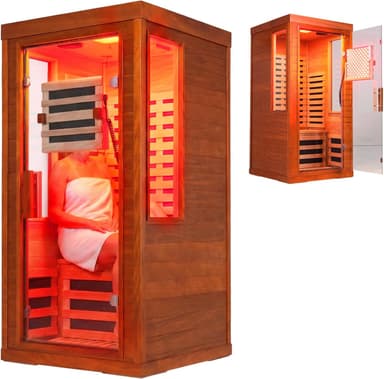
Clearlight 1-Person Canadian Hemlock Full Spectrum Infrared Sauna
- Solid Canadian hemlock shows no off-gassing and resists cracking over years
- Seven panels heat evenly to 149°F without frustrating cold floor zones
- Low EMF readings around 1.4-2.6mG offer genuine peace of mind
For women interested in a compact one-person infrared option that integrates red light therapy, I cover the leading models in detail at our one-person infrared sauna guide.
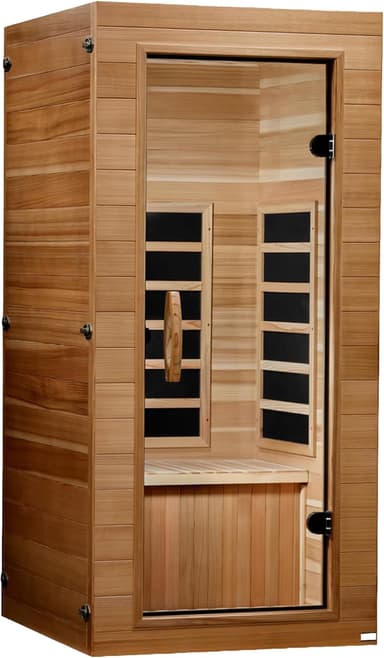
Dynamic Saunas Elite 1-Person Far Infrared Sauna
- Clasp-together assembly genuinely takes under an hour for most people
- Ultra-low EMF panels provide even, safe far-infrared heat distribution
- Red light therapy integration adds real wellness value beyond basic heat
Steam Sauna - 110-120°F (43-49°C) at Near 100% Humidity
Steam rooms operate at lower temperatures than either traditional or infrared saunas but at 95-100% humidity. The combination of warmth and saturated moisture creates a distinct physiological profile: skin hydration is direct and immediate, respiratory passages benefit from the warm moist air, and the thermal load on the cardiovascular system is gentler than either dry sauna format.
For women dealing with sinus congestion, asthma, or respiratory sensitivity, steam rooms offer benefits that neither traditional nor infrared sauna match. For cardiovascular conditioning and hormonal effects, steam is less effective than the dry formats due to lower thermal stress magnitude.
Steam rooms are also the most maintenance-intensive option for home installation - high humidity requires strong waterproofing, mold-resistant materials throughout, and consistent ventilation management. Women considering home installation should weigh the maintenance burden against the specific respiratory benefits.
Protocols, Frequency, and Getting the Dosing Right
The research gives us reasonably specific guidance on effective dosing, and I want to be precise rather than vague about it.
The Frequency Threshold That Matters
The Laukkanen data shows a clear frequency-dependent benefit curve 12. Once-weekly sauna use produces some benefit. Two to three times weekly produces more. Four to seven times weekly produces the maximum documented benefit for cardiovascular protection and dementia risk reduction. This is a meaningful dose-response relationship, not a "more is always better" claim - the curve appears to plateau at 4-7 sessions.
For women managing cortisol and stress specifically, the 2021 Complementary Medicine Research protocol achieved measurable cortisol reduction in four weeks at sessions of 15-20 minutes. That is an accessible protocol for most schedules.
Session Duration and Temperature Progression
For women new to sauna, I recommend a structured progression rather than jumping directly to 20-minute sessions at maximum temperature:
Weeks 1-2: 10-15 minutes at 120-140°F in infrared, or 140-155°F in traditional sauna. The goal is thermal adaptation, not maximum stress.
Weeks 3-4: Extend to 15-20 minutes. Temperature can increase to 150-165°F infrared or 160-175°F traditional if comfortable.
Maintenance protocol: 20-35 minutes at 160-180°F infrared or 175-200°F traditional, 4-7 times weekly depending on goals and schedule.
Cool-down periods of 5-10 minutes between heat rounds - via cold shower, cold plunge, or ambient air - support the vascular training adaptation and are a standard component of traditional Finnish sauna protocol.
Integration with Exercise
Women using sauna after workouts capture compounding benefits: the muscle repair and GH elevation effects of post-exercise physiology are amplified by sauna-induced HSP activation and additional GH release. The cortisol spike from intense exercise is also more effectively resolved with a subsequent sauna session than with passive rest alone.
Pre-workout sauna is less well-studied and carries the practical risk of entering intense exercise already dehydrated and with elevated heart rate. Post-workout is the evidence-supported timing for women integrating sauna into an active lifestyle.
Hydration Requirements
A single 20-minute traditional sauna session at 185°F produces approximately 0.5-1.5 liters of sweat. Women who are smaller or less heat-adapted sweat less; women who are well heat-adapted may sweat more. Replacing this fluid volume - and the electrolytes lost with it (sodium, potassium, magnesium) - is not optional. Dehydration from inadequate replacement impairs the cardiovascular adaptations sauna is meant to produce.
Drink 500ml of water in the 30 minutes before a session, and 500-750ml within 30 minutes after. For sessions longer than 30 minutes or in a traditional sauna above 180°F, add electrolytes - a simple electrolyte tablet or coconut water is sufficient.
What Sauna Cannot Do - Misconceptions and Evidence Gaps
I want to spend time on this section because the wellness industry has wrapped sauna in enough overclaimed benefits that separating signal from noise matters.
The Detoxification Claim
Sweating is frequently marketed as a primary detoxification pathway - a way to eliminate heavy metals, persistent organic pollutants, and environmental toxins through the skin. The reality is more constrained. The liver handles the vast majority of xenobiotic metabolism. The kidneys excrete the processed metabolites. Biliary excretion handles a significant portion of lipophilic compounds. Dermal clearance through sweat represents a minor route - likely under 5% of total body burden elimination for most toxins.
Some studies have documented trace amounts of heavy metals in sweat, and the data on certain persistent organic pollutants is more nuanced. But the marketing claim that sauna "detoxifies" your body in any clinically significant sense exceeds what the evidence demonstrates. Sauna supports overall metabolic health, reduces inflammatory burden, and improves the efficiency of all elimination pathways indirectly through its cardiovascular effects. That is a real benefit. It is not the same as being a primary detox organ.
The Direct Hormone Boost Claim
Sauna does not directly raise estrogen, progesterone, or testosterone. The mechanism I described earlier - cortisol reduction potentially supporting better allocation of pregnenolone toward sex hormone synthesis - is indirect and its clinical effect size in humans has not been rigorously quantified. Women dealing with genuinely low estrogen, hypothyroidism, or PCOS need appropriate medical management. Sauna is a meaningful supportive tool, not a hormone therapy replacement.
The Weight Loss Claim
Sauna benefits for women include weight loss in marketing materials more often than in clinical evidence. The calories burned during a sauna session are real but modest - roughly equivalent to a brisk walk, not a run. The fluid lost during a session is replaced within hours of rehydration. Long-term weight management from sauna is an indirect effect of improved metabolic health, better sleep (which reduces cortisol-driven appetite dysregulation), and reduced chronic inflammation - not a direct calorie-burning mechanism.
The Evidence Gaps That Matter Most
The most significant gap in the female-specific sauna literature is longitudinal hormonal profiling. We have excellent cross-sectional data and solid 4-week intervention data on cortisol. We lack 12-month studies tracking estrogen, progesterone, FSH, and LH across different menstrual cycle phases and the menopausal transition in women using sauna regularly. That study would be enormously informative and has not been done.
The skin outcomes data gap is also real. The collagen mechanisms are well-characterized at the cellular level, but controlled clinical trials measuring collagen density via ultrasound elastography, or wrinkle depth via validated clinical grading scales, before and after structured sauna protocols in women - with control groups - do not yet exist in the published literature I have reviewed. The mechanisms justify the recommendation; the human outcome data would make it definitive.
Female subgroup analyses from the Laukkanen cohort data would be valuable in greater granularity - specific hazard ratios, confidence intervals, and absolute risk reductions for female participants at each usage frequency level. The overall direction of the findings is clear and has been confirmed across populations, but the female-specific numbers warrant their own detailed reporting.
Key Takeaways
- ●
Sauna use is associated with measurable longevity benefits. The Laukkanen 2015 study linked 4-7 sessions per week to a 40% reduction in all-cause mortality. While that cohort was male-only, the Laukkanen 2018 extended analysis included female participants and confirmed cardiovascular, hypertension, and neurocognitive disease risk reductions. The direction of evidence is consistent.
- ●
Hormonal benefits are real but indirect. Regular sauna sessions reduce cortisol through HPA axis modulation, and because cortisol and reproductive hormones (estrogen, progesterone, testosterone) compete for the same precursor molecule (pregnenolone), stress reduction supports healthier sex hormone balance. No study has shown sauna directly raises estrogen or progesterone.
- ●
The skin benefits operate through genuine cellular physiology. Heat shock proteins activated during sauna sessions facilitate collagen synthesis and cross-linking from the inside out. This matters more after menopause, when estrogen deficiency accelerates collagen loss by up to 30% in the first five years. The mechanism is well-characterized; controlled human outcome trials measuring collagen density are still missing.
- ●
Menopausal women have specific reasons to use saunas regularly. Thermoregulatory adaptation from repeated heat exposure reduces the frequency and severity of hot flashes and supports sleep quality - two of the most disruptive symptoms of the menopausal transition.
- ●
Sauna is not a weight loss tool. Calories burned per session are roughly equivalent to a brisk walk. Fluid lost is replaced with rehydration. The honest framing is that sauna supports the metabolic, hormonal, and sleep conditions that make weight management easier.
- ●
The biggest evidence gap is longitudinal hormonal profiling in women. We have solid 4-week cortisol data. We lack 12-month studies tracking estrogen, FSH, LH, and progesterone across menstrual cycle phases and the menopausal transition in regular sauna users. That study has not been done.
- ●
Safety thresholds matter. Sessions of 15-20 minutes at 150-195°F (65-90°C) for traditional Finnish sauna, or 30-45 minutes at 120-140°F (49-60°C) for infrared, represent the ranges used in most evidence-based protocols. Pregnancy is a genuine contraindication requiring physician guidance.
Who This Is For, Who Should Skip It
Who benefits most from regular sauna use
Women in perimenopause and post-menopause are the clearest beneficiaries. Hot flash reduction, improved sleep, collagen support at the exact life stage when collagen loss accelerates, and the cardiovascular risk reduction documented in the Laukkanen 2018 data all converge on this group. If I had to name one demographic where the evidence-to-benefit ratio is strongest, this is it.
Women with high chronic stress loads also have a specific physiological argument for regular sessions. When cortisol stays chronically elevated, pregnenolone gets diverted away from reproductive hormone synthesis. A 15-20 minute session four times per week is a meaningful intervention on that pathway, backed by the 2021 Complementary Medicine Research cortisol study.
Women managing fibromyalgia and chronic pain see real benefits. The Hussain and Cohen 2018 systematic review documented fatigue and pain improvements, and infrared sauna at 60°C (as studied by Tei 2009) offers a lower-heat entry point for women who find high-temperature traditional sauna physically taxing.
Active women using sauna for post-exercise recovery get growth hormone and heat shock protein benefits that support tissue repair - a legitimate use case with solid mechanistic backing.
Who should skip it or proceed with caution
Pregnant women should not use sauna without explicit physician clearance. Thermal stress during fetal development raises real concerns, and the specific safety data in human pregnancy is not established to a standard I would call reassuring.
Women with uncontrolled hypertension, recent cardiac events, or structural heart conditions need physician guidance before starting any heat protocol. The cardiovascular load of a sauna session is real - core temperature rises, heart rate elevates, and blood pressure dynamics shift.
Women with multiple sclerosis or other conditions affecting thermoregulation should approach heat exposure carefully, as heat can temporarily worsen neurological symptoms.
Anyone on medications that affect sweating, blood pressure, or heart rate - diuretics, beta-blockers, antihypertensives - should discuss sauna use with their prescriber before starting.
What to Read Next
If you are deciding what kind of sauna to buy or use, these guides give you the specifics I could not cover in a benefits-focused article.
Best Premium Barrel Saunas - My reviewed shortlist of barrel sauna models worth the investment, with temperature performance data and honest assessments of build quality at each price point.
Best One-Person Infrared Saunas - For women using sauna solo at home, infrared units at 120-140°F (49-60°C) are the most accessible entry point. This guide covers wattage requirements, EMF ratings, and which brands have consistent heater performance.
All Sauna Guides - The full index of our protocols, buying guides, and health deep-dives. If you want to go further on frequency, heat exposure timing around menstrual phases, or how to structure sessions for specific outcomes, start here.
Frequently Asked Questions
How often should women use a sauna to see health benefits?
The Laukkanen 2015 data shows a clear dose-response relationship: 2-3 sessions per week produced meaningful cardiovascular risk reduction, and 4-7 sessions per week was associated with a 40% reduction in all-cause mortality. For hormonal benefits specifically, the 2021 Complementary Medicine Research cortisol study used 4 sessions per week over 4 weeks. My practical recommendation is 3-4 sessions per week at 15-20 minutes each for traditional sauna (150-195°F / 65-90°C), or 30-45 minutes for infrared (120-140°F / 49-60°C). Twice a week produces some benefit. Once a week is better than nothing but falls below the threshold where the strongest longevity data is concentrated.
Is sauna safe during menstruation?
For most healthy women, sauna during menstruation is safe and may reduce cramping through vasodilation and smooth muscle relaxation. Heat reduces tension in the uterine muscle wall, and endorphin release during heat exposure adds analgesic effect. Stay well-hydrated, keep sessions to 15-20 minutes, and exit if you feel dizzy or faint - blood volume shifts during menstruation make some women more sensitive to the cardiovascular demands of heat exposure. Women with unusually heavy bleeding or conditions like endometriosis should check with their gynecologist before treating sauna as a regular menstrual symptom management tool, as the evidence base for those specific clinical contexts is limited.
Can sauna use affect fertility or hormones related to conception?
The indirect hormonal pathway - reducing cortisol to support better pregnenolone availability for sex hormone synthesis - is real and documented. What is not established is whether sauna use meaningfully improves FSH, LH, or estrogen levels in women trying to conceive, or improves IVF outcomes. Women actively trying to conceive should consult a reproductive endocrinologist before using sauna regularly. The core concern with fertility is thermal stress timing, particularly avoiding high heat during the two-week wait post-ovulation or post-embryo transfer. Excessive heat exposure raises theoretical concerns during early implantation, though the specific human data on this question is not strong enough to give a definitive temperature or duration cutoff.
Does sauna help with menopause symptoms?
Yes, and this is one of the better-supported applications for women specifically. Repeated heat exposure trains the thermoregulatory system, which reduces the frequency and severity of hot flashes - one of the most disruptive vasomotor symptoms of perimenopause and menopause. Sleep quality improvements follow from hot flash reduction, and the collagen support from heat shock protein activation addresses the skin changes driven by estrogen deficiency. The Patrick and Johnson 2021 review documents the vascular function improvements that are directly relevant to the cardiovascular risk increase women face post-menopause, when estrogen's protective effects on the arterial wall are reduced. This is not a replacement for hormone replacement therapy in women with severe symptoms, but it is a meaningful adjunct with a favorable safety profile for most healthy post-menopausal women.
How long does it take to see skin benefits from sauna?
Collagen synthesis responds to repeated heat stress through heat shock protein activation, not single-session exposure. Most reported skin improvements - improved texture, reduced fine lines, better elasticity - appear after 4-8 weeks of consistent use at 3-4 sessions per week. The post-sauna glow from improved microcirculation is immediate and visible after a single session, but that reflects temporary blood flow enhancement rather than structural collagen change. Controlled clinical trials measuring collagen density with ultrasound elastography before and after structured sauna protocols have not yet been published. The mechanism is well-characterized; the human outcome timeline data is extrapolated from the cellular evidence and user-reported experience rather than gold-standard clinical measurement.
Can sauna help with anxiety and depression in women?
The evidence is more solid on anxiety than depression, and mechanistically the cortisol reduction pathway is the primary driver. Heat exposure also triggers beta-endorphin release and activates the parasympathetic nervous system, both of which reduce anxiety symptoms measurably. The Hussain and Cohen 2018 systematic review included mental health outcomes, though those were largely self-reported - a limitation worth noting. For depression, the sauna literature is thinner. There is some evidence from hyperthermia protocols that whole-body heat exposure has antidepressant effects, potentially through serotonin pathway activation, but that research is in early stages. Sauna supports the physiological conditions - better sleep, lower cortisol, reduced inflammation - that make mood regulation easier, but I would not position it as a primary treatment for clinical depression.
What type of sauna is best for women's health benefits?
Traditional Finnish sauna (80-100°C / 176-212°F, sessions of 15-20 minutes) is the setting for most of the mortality and cardiovascular research, including the Laukkanen cohorts. Infrared sauna (49-60°C / 120-140°F, sessions of 30-45 minutes) operates at lower temperatures and is supported by the Tei 2009 cardiac function data and the Hussain and Cohen 2018 pain and fatigue review. For women who find high-heat traditional sauna physically difficult - those with heat sensitivity, fibromyalgia, or cardiovascular conditions - infrared is a clinically supported alternative that still activates heat shock proteins and produces meaningful physiological responses. The choice should be based on what temperature range you tolerate well and can use consistently. Consistent 3-4 times per week use of infrared outperforms once-weekly use of traditional sauna on every outcome that has a dose-response relationship.
Frequently Asked Questions
The most credible sauna benefits for women are stress relief and improved sleep, supported by research showing reduced tension, depression, and anxiety after regular sessions. Heart health is another well-documented benefit, with studies showing that frequent sauna use (at least four times weekly) can lower blood pressure and reduce cardiovascular disease risk. Additionally, saunas help with muscle recovery and joint mobility after exercise, making them practical for post-workout comfort. Women may also find saunas especially supportive for managing perimenopause symptoms like hot flashes through improved thermoregulation.
Backed by Peer-Reviewed Research
Health claims on this page are verified against peer-reviewed studies by our health editor, Dr. Maya Chen.
- Association Between Sauna Bathing and Fatal Cardiovascular and All-Cause Mortality Events
Laukkanen T, Khan H, Zaccardi F, Laukkanen JA (2015)
20-year study found frequent sauna use (4-7 times/week) was associated with 40% lower all-cause mortality.
- Cardiovascular and Other Health Benefits of Sauna Bathing
Laukkanen JA, Laukkanen T, Kunutsor SK (2018)
Regular sauna bathing reduces risk of cardiovascular disease, hypertension, and neurocognitive diseases.
- Clinical Effects of Regular Dry Sauna Bathing
Hussain J, Cohen M (2018)
Evidence supporting sauna bathing for pain conditions, chronic fatigue, and cardiovascular improvements.
Related Guides
Affiliate Disclosure - UseSauna earns a commission from qualifying purchases through our Amazon affiliate links. This does not affect our editorial integrity.