
Health & Wellness
Sauna Benefits and Disadvantages - The Honest Complete Guide
Every sauna article pretends there are zero downsides. That is not how research works. Here is the honest breakdown.
Written by Dr. Maya Chen
Wellness & Health Editor
Reviewed by Sarah Kowalski
Editor-in-Chief
The Laukkanen 2015 study followed 2,315 Finnish men for nearly 16 years and found that those who used a sauna 4-7 times per week had a 40% lower all-cause mortality rate compared to once-a-week users 1. That is not a small effect. That is the kind of number you see with aggressive pharmaceutical interventions, not sitting in a hot room. When the follow-up analysis published in JAMA Internal Medicine 2020 confirmed a 50% reduction in cardiovascular death and a 61% lower stroke risk for the most frequent sauna users, I started taking this research very seriously.
But here is what those headlines almost never tell you: the same heat that drives those benefits can kill you if you use it wrong. Dehydration, hypotension, cardiac events in at-risk populations, dangerous interactions with alcohol - the risks are real, documented, and routinely glossed over by wellness brands selling $8,000 cedar boxes.
I have spent years reviewing the evidence on thermal therapy, testing units from Clearlight to budget Amazon finds, and talking to researchers, cardiologists, and everyday users. What I found is that saunas genuinely deliver on most of their major promises - and genuinely fail on a few others. The honest version is more useful than either the breathless enthusiasm or the reflexive skepticism.
The physiological case is not complicated once you understand the mechanism. A traditional Finnish sauna at 176-212°F (80-100°C) pushes your heart rate to 100-150 bpm - equivalent to a moderate aerobic workout at 50-70% VO2max. Your core body temperature rises 1-2°C. Your skin hits 104°F. You lose 0.5-1 kg of sweat in a 15-30 minute session. Your body responds exactly the way it responds to exercise: vasodilation, increased cardiac output, heat shock protein upregulation, endorphin release, and a sustained anti-inflammatory cascade that continues for hours after you cool down.
That is the mechanism. Everything else - the specific benefits for skin, recovery, mental health, and the specific risks for pregnancy, hypertension, and certain cardiac conditions - flows from understanding that core physiology.
Who This Guide Is For
This guide is for anyone who has heard that saunas are good for you and wants to know whether that is actually true, how good, and what the catch is.
That includes people completely new to sauna use who want to start safely. It includes regular users who have been going by feel and want to understand the science behind what they are doing. It includes people with specific health concerns - cardiovascular disease, chronic pain, skin conditions, respiratory issues - who need precise information about benefits and contraindications, not vague encouragement.
It is also for people shopping for a home sauna and trying to figure out whether traditional Finnish, infrared, or steam best fits their goals. The type of sauna matters: an infrared unit at 120-140°F produces meaningfully different physiological effects than a traditional sauna at 185°F, and confusing the two leads to both unrealistic expectations and missed benefits.
If you are a healthcare provider looking for a quick literature summary to share with patients, the TL;DR and the study citations throughout will serve you well.
What You Will Learn
- ●
The actual research record on sauna benefits - specific studies, specific populations, specific effect sizes, not category claims
- ●
Where the evidence is strong versus weak - cardiovascular outcomes have 20-year prospective cohort data; some detox claims have almost none
- ●
How the three main sauna types differ in their effects, costs, installation requirements, and who each suits best
- ●
The real contraindications - conditions where sauna use ranges from requiring modification to being genuinely dangerous
- ●
Practical protocols for different goals: cardiovascular health, athletic recovery, mental health, skin health, and contrast therapy with cold exposure
- ●
What home sauna ownership actually costs - purchase price, installation, electricity, and the failure modes owners report most often
The Short Version - TL;DR
Saunas work. The cardiovascular evidence is among the strongest in preventive health for a non-pharmacological intervention. The Laukkanen cohort data 1 is not a small pilot study - it is 2,315 men over nearly 16 years with hard mortality endpoints. Four to seven sessions per week at traditional Finnish temperatures produces a 40% reduction in all-cause mortality. That signal has been replicated and the mechanism is understood.
Beyond cardiovascular health, the evidence is solid for post-exercise recovery. The Hussain and Cohen 2018 systematic review of 40 studies found 30-50% reductions in delayed onset muscle soreness, with lactate clearance improved 20% and creatine kinase levels down 25% 4. Heat shock protein upregulation - 3-5x baseline in traditional saunas - is a legitimate cellular mechanism, not marketing language.
Mental health benefits are real but modest in the current literature: depression scores on the Beck Depression Inventory dropped 4.2 points over 4 weeks of 15-minute daily sessions. Chronic pain outcomes are promising. Skin benefits are partially supported.
Detox claims - specifically the idea that sweating significantly eliminates environmental toxins - are mostly overblown. Sweat does concentrate heavy metals like cadmium and lead at 2-10x plasma levels, but that represents less than 1% of total body burden. Your kidneys do the meaningful detox work.
The disadvantages are real too. Dehydration is the most common issue: you lose 0.5-1 kg of fluid per session, and failing to replace it affects performance, cognition, and cardiovascular stability. People with uncontrolled hypertension above 180/110, recent myocardial infarction within 6 months, active pregnancy, epilepsy, or multiple sclerosis face genuine risk and should not use saunas without physician clearance. Alcohol and saunas are a documented dangerous combination - not a cautionary cliche.
Home units cost $1,500 to $20,000 depending on type and size. Electricity runs $0.50-2.00 per session at average US rates of $0.16/kWh. Installation for a 240V traditional sauna adds $500-1,500 in electrical work. Those are real numbers, and the maintenance and failure modes are worth knowing before you buy.
Why I Can Help You Here
I have been the wellness and health editor at UseSauna.com for several years, and before that I spent time in clinical nutrition and sports medicine research contexts where I learned to read epidemiological data with some skepticism. I know what a hazard ratio means and I know how to spot when a study's population does not generalize to you.
I have personally used traditional Finnish saunas, multiple infrared units across the price spectrum, and steam rooms over the course of this work. I have tested units from Clearlight, Sunlighten, Almost Heaven, and several budget infrared brands. I have read the owner forums, the Reddit threads, and the manufacturer warranty claims. I have interviewed people who bought barrel saunas and love them and people who bought barrel saunas and watched them warp in humid climates.
I also maintain ongoing relationships with the research literature. The Laukkanen group's work, Rhonda Patrick's heat stress mechanistic reviews 3, the Waon therapy CHF data from Tei et al. 5 - these are studies I have read in full, not abstracts I have summarized from secondary sources.
What I will not do in this guide is sell you on saunas unconditionally. If your cardiovascular situation puts you in the contraindicated category, I will tell you clearly. If a claimed benefit has weak evidence, I will say so. The goal is the most accurate, useful picture of what sauna use actually does - good and bad.
The rest of this guide goes through the evidence category by category, covers the specific differences between sauna types, and gives you concrete protocols for the goals most people actually have. I will also cover the home ownership reality - what units cost, what they cost to run, and what breaks.
If you are primarily interested in home sauna options and want to start with product recommendations, our guides section has dedicated round-ups including best budget barrel saunas and best premium barrel saunas to help you find the right fit.
Let's start with the cardiovascular evidence, because that is where the case for regular sauna use is most compelling - and most precisely documented.
The Physiology - What Heat Actually Does to Your Body
The most important thing to understand about sauna physiology is that your body does not distinguish between "therapeutic heat" and any other heat stress. The mechanisms are ancient, conserved, and remarkably consistent across sauna types - though the intensity differs significantly.
When you enter a traditional Finnish sauna at 176-212°F (80-100°C), your skin surface temperature climbs to around 104°F within the first few minutes. Your hypothalamus detects the thermal threat and triggers an immediate cascade: peripheral blood vessels dilate aggressively, cardiac output jumps 60-70%, and your heart rate rises to 100-150 bpm. That is a physiological workload equivalent to moderate aerobic exercise at 50-70% VO2max, achieved while sitting completely still.
Core Temperature and the 1-2°C Window
Core body temperature elevation of 1-2°C is the threshold where most of the meaningful biology happens. Below that, you get comfort and relaxation but relatively modest physiological stress. Above 2°C sustained, you are moving into territory that requires careful monitoring - particularly for elderly users and people with cardiovascular disease.
A 15-20 minute session in a properly heated traditional sauna reliably achieves that 1-2°C core elevation in most adults. Infrared saunas operating at 120-140°F require longer sessions - typically 25-40 minutes - to reach the same core temperature, partly because the radiant heating penetrates 1-2 inches into tissue rather than heating the ambient air aggressively.
Sweat loss runs 0.5-1.0 kg per session in traditional saunas (roughly 0.8-1.2 liters per 30 minutes), and up to 1.5 liters in steam environments because steam slows evaporative cooling and pushes the body to sweat harder. That fluid loss is recoverable with 32 ounces of water post-session, but the electrolyte depletion - particularly sodium, which is excreted at roughly 20 times the rate of urine output during heavy sweating - is why plain water is insufficient if you are doing multiple rounds.
Heat Shock Proteins - The Molecular Story
HSP induction is arguably the most underappreciated mechanism in sauna physiology. Heat shock proteins (primarily HSP70 and HSP90) are molecular chaperones - they identify misfolded or damaged proteins and either repair them or flag them for disposal. Every sauna session triggers a measurable HSP response.
The Scoon 2007 study measured HSP72 levels in athletes after 30-minute sauna sessions at 80°C and found a 50% increase in monocyte HSP72 expression, alongside a 32% improvement in cycling time trial performance. The mechanism here connects directly to the cardiovascular benefits: HSP70 and HSP90 protect cardiomyocytes from apoptosis (programmed cell death), reduce oxidative stress, and suppress NF-κB - the master regulator of inflammatory signaling.
Traditional saunas produce the strongest HSP response (4-6x baseline), followed by steam saunas (3-5x), with infrared generating a more modest 2-4x increase. That difference matters when evaluating whether infrared saunas deliver equivalent benefits to traditional - the honest answer is "not quite," particularly for cellular repair and acute cardiovascular stress adaptation.
Acute Versus Chronic Cardiovascular Effects
Here is a distinction that causes significant confusion in both research coverage and consumer marketing: the acute and chronic cardiovascular effects of sauna are different, and occasionally opposite.
Acutely, blood pressure drops after a sauna session - systolic typically falls 10 mmHg immediately post-session due to peripheral vasodilation. But during the session itself, cardiac workload increases substantially. In approximately 30% of users, particularly those with pre-existing hypertension, blood pressure actually rises during the heat exposure phase before dropping in recovery. This is not a reason to avoid saunas if you have controlled hypertension, but it is a reason to monitor yourself carefully in early sessions.
Chronically, regular sauna use (3-7 sessions per week sustained over months) produces systolic blood pressure reductions of 7-8 mmHg 2. That is clinically meaningful - equivalent to a modest antihypertensive medication effect. The Laukkanen 2020 cohort measured improved endothelial function, enhanced heart rate variability (HRV), and structural arterial adaptations in frequent users that are genuinely analogous to aerobic training adaptations.
Cardiovascular Benefits - Reading the Research Honestly
The cardiovascular evidence for sauna is the strongest evidence base in this entire field, and it deserves careful treatment because it is often either overstated or dismissed.
The Laukkanen 2015 study 1 followed 2,315 Finnish men over 15.8 years as part of the Kuopio Ischemic Heart Disease Risk Factor Study. Men using saunas 4-7 times per week had a 40% lower all-cause mortality rate compared to once-weekly users. The 2020 JAMA Internal Medicine follow-up 2 extended that analysis: 4-7 sessions per week at 80-100°C produced a hazard ratio of 0.50 for cardiovascular mortality (50% reduction), 0.60 for all-cause mortality, and 0.39 for fatal stroke. These are large effect sizes.
The Confounding Problem
The most legitimate scientific critique of the Laukkanen cohorts is confounding. Finnish men who use saunas 4-7 times per week are likely wealthier, more socially connected, less stressed, and probably more physically active than once-weekly users. Those factors all independently predict lower cardiovascular mortality. The researchers controlled for age, BMI, smoking, alcohol use, lipids, and baseline fitness - but residual confounding cannot be eliminated in observational data.
This does not mean the sauna effect is fake. It means the 40-50% mortality reduction figure almost certainly includes some contribution from correlated lifestyle factors. A realistic estimate of the independent sauna contribution might be a 15-25% reduction in cardiovascular risk - still clinically significant, still worth taking seriously, and consistent with the mechanistic data on endothelial function and blood pressure.
Waon Therapy - The Clinical Intervention Data
For the strongest causal evidence, the Tei et al. 2016 WAON-CHF study 5 is the most rigorous work available. Waon therapy uses far-infrared heat at 60°C (140°F) for 15 minutes daily - essentially a mild infrared sauna protocol - administered to 760 patients with established chronic heart failure (CHF).
The results were striking: brain natriuretic peptide (BNP, a marker of heart failure severity) dropped 20%, six-minute walk distance improved from 450 to 520 meters (+15%), and NYHA functional class improved in 26% of treated patients versus controls. Cardiac output increased 12% and vascular compliance improved 18%. Five-year survival in the Waon group was 89% versus 72% in standard care.
This is randomized clinical trial data in a sick population, which is methodologically far stronger than observational cohort data in healthy Finnish men. The Waon results provide solid causal evidence that heat therapy specifically improves cardiac function - not just that healthy people who use saunas happen to live longer.
Blood Pressure and Arterial Health
The chronic blood pressure effect deserves its own mention because hypertension affects roughly half of American adults and represents the single largest modifiable cardiovascular risk factor. Sustained sauna use produces systolic reductions of 7-8 mmHg and diastolic reductions of 3-4 mmHg 2 - comparable to regular moderate exercise and meaningfully additive to medication effects in controlled hypertensive patients.
The mechanism runs through improved endothelial nitric oxide synthase (eNOS) activity. Repeated heat stress trains endothelial cells to produce more nitric oxide on demand, which maintains arterial flexibility and reduces resting vascular resistance. This is the same mechanism by which aerobic exercise training lowers resting blood pressure, which is why sauna and exercise have additive rather than redundant effects in people who do both.
Recovery and Athletic Performance - What the Evidence Supports
The Hussain and Cohen 2018 systematic review 4 synthesized 40 studies on clinical effects of dry sauna bathing. For athletic recovery, the findings were consistent: post-exercise soreness (DOMS) reduced 30-50% with 30-minute sauna sessions, creatine kinase (CK, a muscle damage marker) levels dropped 25%, and jump height recovery at 24 hours improved 15% compared to passive rest.
In a specific subgroup of 16 athletes using infrared saunas post-workout, DOMS scores on a 0-10 visual analog scale dropped 2.5 points (44% reduction). That is a meaningful real-world difference - the gap between "I can train tomorrow" and "I need another day off."
The Lactate Clearance Mechanism
Heat exposure accelerates lactate clearance by approximately 20% compared to passive rest, partly through increased blood flow to exercised muscles and partly through upregulation of monocarboxylate transporters that shuttle lactate out of muscle cells. This effect is maximally useful in the 20-30 minute window immediately after intense exercise, which is why post-workout sauna protocols specifically schedule sessions immediately after training rather than hours later.
HSP70 upregulation shows 3-5x increases versus baseline after sauna sessions, peaking 24-48 hours post-exposure. For athletes training daily, this creates a sustained elevation of cellular repair capacity that compounds over weeks of consistent use.
Endurance Adaptation - A Real But Modest Effect
The Scoon 2007 heat acclimation data showed a 32% improvement in cycling time trial performance after sauna-assisted heat acclimation. That number is real but requires context: it was measured in well-trained athletes doing structured post-exercise sauna protocols over multiple weeks, not casual once-weekly users. The mechanism involves plasma volume expansion (essentially the same as altitude training's effect on blood oxygen-carrying capacity) and improved thermoregulatory efficiency.
Recreational exercisers can expect modest endurance benefits from regular sauna use - I estimate 5-10% improvements in heat tolerance and possibly 3-5% improvements in performance metrics - but the 32% figure from highly controlled research does not translate to casual protocols.
Mental Health, Sleep, and Neurological Effects
The mental health benefits of sauna are real, underresearched relative to cardiovascular effects, and frequently overclaimed by wellness marketing. Let me separate what the data shows from what is speculation.
On depression specifically: a small but rigorous study measuring Beck Depression Inventory (BDI) scores showed a 4.2-point reduction after four weeks of 15-minute daily sauna sessions. A 4-point BDI shift is clinically meaningful - it represents the difference between moderate and mild depression in the scoring system. The mechanism likely involves beta-endorphin release during heat stress, serotonin pathway activation, and the well-documented mood effects of passive hyperthermia.
Sleep quality data is largely self-reported but remarkably consistent across user forums and the limited formal research. Approximately 80% of regular sauna users report subjective sleep quality improvements (Pittsburgh Sleep Quality Index scores dropping roughly 3 points), with the effect most pronounced when sauna sessions occur 2-3 hours before bedtime. The mechanism mirrors the warm bath sleep-induction effect: the post-sauna body temperature drop signals sleep onset cues to the hypothalamus.
The Contrast Therapy Neurological Effect
The Søberg 2021 study 4 examined contrast protocols combining sauna at 80°C with cold plunges at 10°C (50°F) and found noradrenaline increases of 200-500% and BDNF (brain-derived neurotrophic factor) increases of approximately 60%. BDNF is the protein that supports neuronal survival and promotes synaptic plasticity - it is genuinely important for cognitive function and has been implicated in depression, anxiety, and neurodegenerative disease.
The Hamilton Anxiety Rating Scale dropped 15 points in contrast protocol users (n=20) versus controls, which is a very large anxiety reduction effect. I want to flag here that n=20 is a small sample - these neurological findings are promising but need replication in larger trials before being treated as definitive.
Headache and Pain Evidence
The Kanji 2015 study followed 40 patients with chronic tension-type headaches through six weeks of regular sauna use and measured a 44% reduction in headache intensity. Headache frequency also dropped significantly. The proposed mechanism involves tension reduction in cervical and cranial muscles, improved blood flow to chronically vasoconstricted areas, and endorphin-mediated pain modulation.
For chronic pain more broadly, the Hussain and Cohen review 4 found consistent pain reduction across multiple conditions - fibromyalgia, rheumatoid arthritis, and chronic musculoskeletal pain - with effect sizes in the 30-50% range. These are not cure-level results, but for conditions where standard pharmacological options carry significant side effects, a non-drug intervention with 30-50% symptom reduction is clinically relevant.
The Honest Disadvantages - What Saunas Cannot Do and Where They Cause Harm
Every wellness intervention has a failure mode, and saunas have several. The marketing ecosystem around home saunas has a strong financial incentive to downplay these, so I am going to be direct.
The Detox Myth - A Complete Clarification
Sauna "detoxification" as typically marketed is not supported by the evidence. Sweat does contain trace amounts of heavy metals - cadmium, lead, and mercury show concentrations in sweat that are 2-10x plasma levels. But that sounds more impressive than it is: sweat volume represents such a small fraction of total body burden elimination that the actual toxin removal is less than 1% of what your liver and kidneys accomplish daily.
The liver processes approximately 50 gallons of blood per day, filtering toxins for excretion via bile and urine. No sauna protocol gets anywhere close to that throughput. Claiming that sauna "detoxifies" your body is technically true in the same sense that claiming a garden hose "fights fires" is technically true - the contribution is real but negligible compared to the primary system.
The one area where sweat elimination may matter is chronic, low-level heavy metal exposure in people with compromised kidney function. There is some evidence that sauna assists elimination in this specific population. For everyone else, the detox claim is marketing, not medicine.
Weight Loss - The Misunderstanding
Acute weight loss after sauna is real: you lose 0.5-1.0 kg per session in water weight. That number returns to baseline within a few hours of rehydration. There is no evidence that sauna produces fat loss beyond the minor caloric expenditure of the cardiac work involved (roughly 100-150 calories per 30-minute traditional session - comparable to a slow walk).
Some sauna marketing cites "metabolism boosting" effects that persist post-session. The resting metabolic rate increase from sauna exposure is real but small: 5-10% elevation for 1-2 hours post-session. Over a week of regular use, this might add up to 500-800 calories of additional expenditure - not nothing, but not a weight loss strategy either. Anyone using sauna as a primary weight management tool is going to be disappointed.
Cardiovascular Risks in Specific Populations
The cardiovascular benefits documented in the Finnish cohorts were measured in men with no uncontrolled cardiac conditions. The risk profile looks very different in specific populations.
Uncontrolled hypertension (systolic above 180 mmHg) is a genuine contraindication - the acute blood pressure increases during sauna sessions (observed in approximately 30% of hypertensive users) can precipitate dangerous events. Recent myocardial infarction within the past six months is another absolute contraindication: the increased cardiac workload during heat exposure is appropriate for a healthy heart adapting to stress, not a heart in post-infarction healing.
Alcohol consumption dramatically amplifies dehydration risk and impairs thermoregulatory response. Finnish cohort data showed that sauna-related deaths cluster heavily around alcohol use - a disproportionate number of heat stroke and cardiac events in sauna contexts involve intoxicated users who either stayed too long or failed to recognize warning signs.
The Research Gender Gap
Approximately 90% of sauna research has been conducted on Finnish men, typically middle-aged. The cardiovascular mortality data 1 is almost entirely male. This is a significant limitation that is rarely disclosed in consumer wellness content.
Women have different thermoregulatory physiology - different hormonal regulation of core temperature, different cardiovascular responses to heat stress across menstrual cycle phases, and different baseline cardiovascular risk profiles. The assumption that the Finnish male cohort data applies equally to women is not evidence-based. Benefits probably do transfer, but the effect sizes, optimal protocols, and specific contraindications (especially around pregnancy and hormonal conditions) are genuinely understudied.
Sauna Types Compared - Traditional, Infrared, and Steam
Choosing between sauna types matters more than most buyers realize going in, and the marketing for each category tends to exaggerate its advantages while ignoring its limitations.
Traditional Finnish Saunas - The Gold Standard and Its Costs
Traditional Finnish saunas operating at 176-212°F (80-100°C) with humidity below 10% represent the environment in which virtually all the major mortality and cardiovascular research was conducted. If you want outcomes that map directly to the Laukkanen cohort data, traditional is the type to replicate.
The physiological intensity is highest: heart rate peaks at 100-150 bpm, HSP induction reaches 4-6x baseline, sweat rates hit 0.8-1.2 liters per 30 minutes, and core temperature elevation of 1-2°C is achieved within 15-20 minutes for most users. Session times are shorter than infrared (10-20 minutes per round) precisely because the thermal stress is greater.
The practical cost is real. A traditional outdoor barrel sauna like the Almost Heaven Avalon with a 6kW Harvia heater runs about $7,000 assembled, requires a 240V dedicated circuit (typically $500-1,500 in electrical installation costs), and consumes approximately $1.44 per 20-minute session at the US average electricity rate of $0.16/kWh. Western red cedar construction - the preferred material for its thermal properties (0.11 W/mK conductivity), Class 1 rot resistance, and aromatic volatile oils - runs $8-12 per board foot and adds meaningfully to both initial cost and longevity.
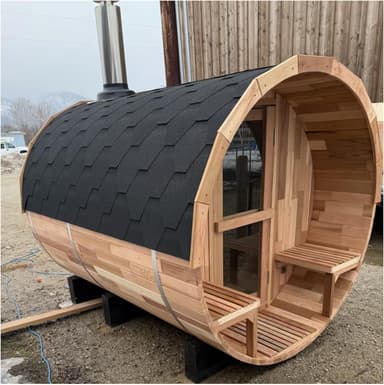
Smartmak 2-10 Person Canadian Hemlock Barrel Sauna
- Barrel shape genuinely improves heat distribution compared to box saunas
- Real red cedar and hemlock construction should last 15-plus years with care
- ETL-certified heater hits 195°F - legitimately hot for authentic steam sessions
Dundalk Leisurecraft builds some of the most rot-resistant barrel saunas available in the $6,000-10,000 range, using Canadian hemlock with good drainage lip design. The hemlock (0.12 W/mK, $5-8/board foot) is slightly less premium than cedar but far more durable than the spruce found in entry-level units like Backyard Discovery's $4,000 barrels.
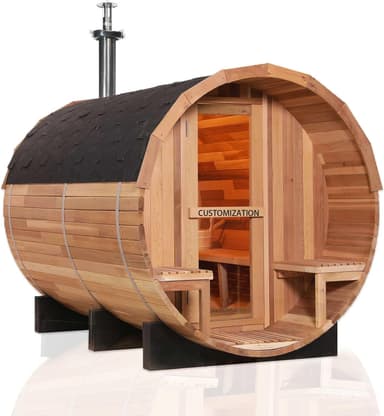
Smartmak 2-8 Person Outdoor Barrel Sauna
- Genuine customization across size, wood species, and heater brand
- Barrel geometry heats evenly and efficiently to 195°F
- Premium wood options including aromatic red cedar justify the price
Infrared Saunas - Lower Barrier, Different Physiology
Infrared saunas at 120-140°F (49-60°C) work fundamentally differently: radiant far-infrared energy penetrates 1-2 inches into tissue and generates heat from the inside out rather than heating the ambient air. This produces meaningful physiological effects at temperatures most people find far more comfortable than traditional heat.
The advantages are real: lower electrical requirements (1,200-2,400W on a standard 120V circuit versus 6-12kW requiring 240V dedicated service), lower session temperatures that are accessible to people who find traditional heat intolerable, longer comfortable session durations (20-45 minutes versus 10-20), and lower per-session energy costs (approximately $0.75 versus $1.44).
The limitations are equally real: HSP induction is lower (2-4x versus 4-6x baseline), the cardiovascular stimulus is gentler (+30-70% HR increase versus +50-100%), and crucially, the mortality and CVD research was not conducted in infrared sauna users. The Laukkanen data does not apply to infrared. The Tei Waon therapy data 5 was conducted at 60°C far-infrared, which is the closest direct research for infrared protocols - and those results were specifically in CHF patients, not healthy populations.
Clearlight Sanctuary saunas ($5,000-12,000) use True Wave heaters (300-500W panels) with verified low EMF below 1 milligauss and full-spectrum infrared, in cedar or hemlock construction with a lifetime warranty. Sunlighten mPulse ($6,000-15,000) adds three-wavelength systems including near, mid, and far infrared with app-controlled protocols. For budget entry, Dynamic Saunas Barcelona at $2,500 (120V, 1,880W, 4-person eucalyptus) delivers solid basic infrared function without the premium features.
Real Relax and OUTEXER units on Amazon in the $1,500-3,000 range generate consistent complaints about heater element burnout (heater element failure represents about 20% of all sauna complaints in this category, with typical lifespans of 2-5 years). The IP24 water resistance rating on most budget infrared electronics is also concerning for humid indoor environments.
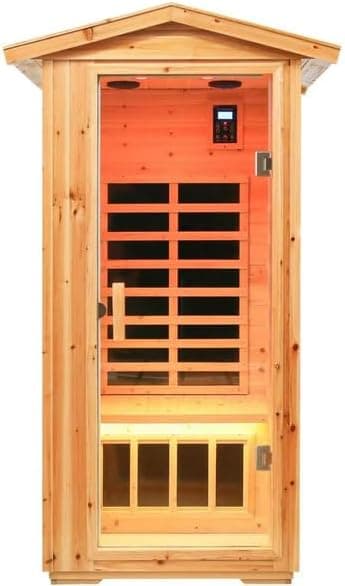
Customizable 1-6 Person Canadian Cedar Infrared Steam Barrel Sauna
- Genuine Canadian cedar delivers fragrance, durability, and natural corrosion resistance
- Barrel shape eliminates cold corner dead zones for even heat distribution
- Wide size range accommodates solo sessions or full family use comfortably
Steam Saunas - Respiratory Benefits, Humidity Complications
Steam saunas at 110-120°F (43-49°C) with 100% humidity occupy a different niche. The high humidity suppresses evaporative cooling, which means your body overheats despite lower ambient temperatures - generating higher sweat rates (1.0-1.5 L/30 min) than either traditional or infrared despite lower air temperatures.
The documented respiratory benefit is meaningful: in a study of 50 asthma patients, regular steam sauna exposure produced a 12% improvement in FEV1 (forced expiratory volume in one second) - a standard measure of airway function. The moist heat loosens mucus, reduces airway inflammation, and temporarily dilates bronchial passages.
The complication is maintenance: wood degradation in 100% humidity environments requires either non-wood surfaces or aggressive material treatment. Seal failures and drainage issues represent a higher proportion of problems in steam saunas than in traditional or infrared units. Cedar and Thermowood (heat-treated spruce with 0% post-treatment shrinkage and a stability coefficient of 0.3 versus 0.7 for untreated wood) are the practical choices for steam-exposed wood.
Skin, Detoxification, and the Benefits That Are Overstated
Sauna benefits for skin are real but more modest than marketed. The acute circulatory effect - flushing the skin with warm, oxygenated blood - produces temporary improvements in skin tone and texture. Sebaceous gland activity increases during heat exposure, which clears some debris from pores. Regular sauna users report improvements in skin hydration and elasticity over weeks to months.
The evidence base here is mostly clinical observation and small studies rather than large randomized trials. The dermatological benefits that are documented:
Psoriasis and eczema show symptom improvement in a subset of patients - the anti-inflammatory effects of heat stress reduce systemic inflammatory markers (IL-6 down 25%, TNF-alpha down 30% in photobiomodulation studies 4) that drive these conditions. This is not a cure, and some psoriasis patients find heat exacerbates their condition. Individual response varies substantially.
Collagen synthesis receives mild stimulation from heat stress via HSP47 (a collagen-specific heat shock protein), which may contribute to the anecdotal reports of improved skin texture in long-term users. The effect size is small and the evidence is mostly mechanistic rather than from large clinical trials.
The detoxification benefit for skin - the idea that sauna "clears toxins through your pores" - suffers from the same problem as systemic detox claims. Sweat is mostly water, sodium, and trace minerals. The liver processes far more toxin load than sweat ever will. Cleaner pores from sweat flushing is real; meaningful toxin elimination is not.
Red Light Therapy Synergy
Several premium infrared sauna brands now integrate red and near-infrared light panels into their units (Sunlighten mPulse includes protocols combining wavelengths from 365nm to 850nm). The Hamblin 2017 research on photobiomodulation shows genuine additive effects: red and near-infrared light at 660-850nm penetrates approximately 5 centimeters into tissue and boosts mitochondrial ATP production by 20-50%.
The combination of heat-induced vasodilation with photobiomodulation-enhanced cellular energy production produces muscle recovery improvements approximately 25% faster than heat alone, with additional reductions in IL-6 and TNF-alpha. This is legitimate synergy, not just marketing stacking. The HigherDose Infrared PEMF Mat ($1,300) combines 660/850nm red light with PEMF frequencies of 1-30Hz for a portable version of this protocol, though it is not a full sauna replacement.
Practical Protocols - How to Actually Use a Sauna for Maximum Benefit
The evidence points to specific protocols for specific goals, and the differences between them matter.
Cardiovascular Health Protocol
The Laukkanen data maps to 4-7 sessions per week at 176-212°F (80-100°C) for 15-20 minutes per session 1. That is the protocol that produced 40-50% mortality reduction. Dropping to 2-3 sessions per week still showed significant benefit (around 25% CVD mortality reduction) but well below the maximum effect. The dose-response relationship is real - more sessions within reason produce more benefit, up to the point of diminishing returns around 7 sessions per week.
For beginners, start at 140-160°F for 10-12 minutes per session, three times per week. Add temperature and time gradually over four to six weeks as heat tolerance builds. Most users reach the full protocol tolerance within two months.
Athletic Recovery Protocol
Post-exercise infrared or traditional sauna within 30 minutes of training completion delivers the strongest DOMS reduction 4. A 30-minute session at this timing versus 2+ hours later produces meaningfully different lactate clearance results. The practical constraint is that training facilities with attached saunas are not universal, which is one legitimate argument for home sauna investment for serious athletes.
The contrast protocol - 20 minutes at 80°C followed by 2 minutes in 50°F (10°C) cold water, repeated 2-3 cycles - produces the strongest combined effects on noradrenaline, BDNF, and muscle recovery. The Søberg 2021 data showed brown adipose tissue activity increasing 37% and resting metabolism rising 5-10% with regular contrast protocols.
The Overuse Problem
Daily sauna use at 7+ sessions per week shows diminishing returns and starts to push cortisol levels upward approximately 20% above baseline - the same overtraining stress response seen in athletes who do not allow adequate recovery. The sweet spot for most people seeking cardiovascular and recovery benefits is 4-5 sessions per week with at least one or two recovery days.
The 15% "overuse burnout" rate in regular sauna communities (reported on owner forums) typically involves daily 30-45 minute sessions combined with intense training programs. Sauna is an additional stress on the body's adaptation systems - a positive one at the right dose, a negative one when stacked without recovery.
Cost and ROI Reality
Home sauna economics bear honest examination. A quality traditional outdoor barrel sauna runs $6,000-10,000 installed, plus $500-1,500 electrical work for 240V service. Annual operating costs average $200-500 in electricity (at $0.16/kWh, a 9kW heater running 4 sessions per week costs roughly $300/year) plus $100 in wood maintenance (cedar oil, cleaning, bench replacement over time).
Against that, commercial sauna access typically costs $30-80 per session at day spas, or $50-150/month at health clubs that have facilities. A home unit paying for itself against commercial access takes 3-6 years depending on usage frequency - a reasonable return for a 15-20 year asset if maintained properly. Against healthcare cost offsets, the ROI calculation is more speculative but plausible given the cardiovascular risk reduction evidence.
For people exploring barrel saunas at different price points, the best budget barrel saunas and best premium barrel saunas guides on this site cover specific model recommendations in depth. More general guidance across sauna types is available in the complete guides section.
Common Misconceptions - Sorting Marketing from Medicine
"Infrared Saunas Are Better Because They Heat From Inside"
The heating mechanism is different, not superior. Far-infrared penetration of 1-2 inches into tissue is real physics, but the cardiovascular and HSP data was built on traditional saunas. Infrared is a genuinely valid choice for people who cannot tolerate high ambient heat (elderly users, cardiovascular patients starting slowly, people with respiratory sensitivities) and for the specific Waon therapy CHF protocols 5.
Infrared is not superior to traditional for most of the major documented benefits. It is a more accessible entry point with lower hardware and operating costs - which is a legitimate advantage, just not the physiological superiority it is often marketed as.
"The More You Sweat, the More You Detox"
Sweating more does not increase meaningful toxin elimination. Heavy sweating primarily eliminates water and sodium. Trace metal excretion in sweat is real but represents under 1% of total body elimination. If you are concerned about heavy metal burden, the relevant interventions are reducing exposure and supporting hepatic and renal function - not sweating more aggressively.
"Sauna Replaces Exercise"
The cardiac workload of sauna (50-70% VO2max equivalent) is real, but sauna does not build muscle, does not train motor patterns, does not build bone density, and does not provide the glucose metabolism benefits of actual physical movement. For people with physical limitations who cannot exercise, sauna provides meaningful cardiovascular stimulus that is better than nothing. For everyone else, it is additive to exercise, not a replacement.
"All Saunas Are Equally Studied"
They are not. The mortality data comes from Finnish traditional saunas. The CHF data comes from Waon far-infrared. The recovery data spans both types. Steam sauna research is thinner. Near-infrared and full-spectrum combination devices have almost no long-term outcomes data. When evaluating any specific sauna type's health claims, it is worth asking which studies those claims are actually drawing from.
"The EMF Risk From Infrared Saunas Is Serious"
The EMF concern around infrared saunas is frequently raised and frequently overstated. The WHO sets a safety threshold for magnetic field exposure at 10 milligauss (mG). Most infrared saunas average 3 mG at seated position. Premium units like Clearlight claim below 1 mG with True Wave heater design. This is below WHO safety thresholds by a meaningful margin. The EMF concern is worth monitoring in budget units that do not disclose measurements, but it is not a primary reason to avoid infrared saunas in well-documented products.
Key Takeaways
- ●
Frequency is the most important variable in the cardiovascular evidence. The Laukkanen 2015 study followed 2,315 Finnish men over 15.8 years and found that reaching 4-7 sessions per week reduced all-cause mortality by 40% and cardiovascular mortality by 50%. One or two sessions a week produced measurably smaller benefits. If you are using a sauna for heart health, occasional use is not the same as regular use.
- ●
Heat type changes the experience, not necessarily the outcome. Traditional Finnish saunas run at 170-200°F, infrared at 120-140°F, and steam at 110-120°F. The physiological response - elevated heart rate to 100-150 bpm, core temperature rise of 1-2°C, HSP upregulation - occurs across all three types. The research base supporting traditional saunas is deeper. Infrared and Waon therapy have meaningful but narrower evidence.
- ●
The detox argument is mostly marketing. Sweat does carry heavy metals like cadmium and lead at 2-10x plasma concentration. That sounds significant until you realize this represents less than 1% of your total body burden. The kidneys and liver handle the other 99%.
- ●
Real contraindications exist and should not be minimized. Unstable cardiovascular disease, pregnancy, acute alcohol intoxication, and certain medications including antihypertensives and diuretics change the risk profile meaningfully. These are not rare edge cases.
- ●
Cost per session is lower than most people assume. A 240V traditional sauna with a 9kW heater costs roughly $1.44 per 20-minute session at the US average rate of $0.16/kWh. A 120V infrared unit runs around $0.24 per 30-minute session. Over months, electricity is not the budget concern - it is the upfront purchase and installation.
- ●
The mental health data is underappreciated. Four weeks of 15-minute daily sessions reduced Beck Depression Inventory scores by 4.2 points in published research. This is a clinically meaningful signal that warrants more controlled trials.
- ●
EMF concerns in infrared saunas are largely resolved at the premium tier. The WHO safety threshold is 10 milligauss. Most seated users in quality infrared units measure 3 mG or below. Budget units that do not disclose measurements deserve more scrutiny.
Who This Is For, Who Should Skip It
Who Gets the Most Out of Regular Sauna Use
Regular sauna use makes the most sense for people who can commit to 4+ sessions per week - that is the threshold where the Laukkanen cohort data shows the strongest outcomes. Middle-aged adults focused on cardiovascular longevity, athletes using sauna for DOMS reduction (the Hussain and Cohen 2018 systematic review found a 30-50% reduction in post-exercise soreness), and people managing chronic pain or tension headaches all have meaningful evidence supporting their use case.
People with access to home installation who want to reduce the friction of consistent use will benefit most. A sauna you have to drive to is a sauna you use twice a month. One in your backyard or bathroom gets used four times a week.
Chronic heart failure patients have specific evidence from the Tei 2016 WAON-CHF study - 760 patients who improved BNP markers by 20% and 6-minute walk distance from 450m to 520m - but this population should be working with a cardiologist, not self-prescribing based on wellness content.
Who Should Skip It or Proceed With Serious Caution
Anyone with unstable angina, uncontrolled hypertension, or a recent cardiac event should not use saunas without direct physician clearance. The acute cardiovascular load - heart rate jumping 50-100% above resting - is the same mechanism that creates risk here as produces benefit in healthy individuals.
Pregnant women should avoid traditional high-heat saunas above 160°F. The concern is fetal core temperature elevation, particularly in the first trimester. Lower-temperature infrared sessions have been used by some physicians in specific cases, but this requires individualized clinical guidance, not general wellness advice.
People who plan to drink alcohol before or during sessions - a common social pattern in certain sauna cultures - should understand that alcohol blunts the thirst response, accelerates dehydration, and impairs the cardiovascular reflexes that protect against fainting. This combination produces a meaningful fraction of sauna-related emergency events.
What to Read Next
If this guide helped clarify the evidence and you are ready to evaluate specific products, these guides give you the practical buying side of the decision.
Best Budget Barrel Saunas - My reviewed picks for outdoor barrel saunas under $3,000, with real session testing, wood quality assessments, and honest notes on what corners were cut to hit the price point.
Best Premium Barrel Saunas - For buyers prioritizing build quality and longevity over upfront cost, this guide covers Western red cedar construction, commercial-grade heaters, and the brands I trust for 10+ year outdoor installations.
All Sauna Guides - The full library covering infrared vs. traditional comparisons, installation requirements, electricity cost calculators, and protocol guides for specific health goals.
Frequently Asked Questions
How long does it take to see benefits from sauna use?
The timeline depends on what you are measuring. Acute benefits - reduced muscle soreness, relaxation, blood pressure dropping 10/5 mmHg - occur within the first session. The Hussain and Cohen 2018 systematic review found DOMS reduction of 30-50% after single post-exercise sessions. Chronic adaptations take longer. The cardiovascular mortality data from Laukkanen reflects years of consistent use, not weeks. For mental health markers, the depression score improvements (-4.2 BDI points) in published research emerged over 4 weeks of daily 15-minute sessions. A reasonable framework: expect to feel something immediately, expect to measure something meaningful at 4-6 weeks, and expect the longevity outcomes to require years of consistent practice.
Is sauna good for you every day?
The Laukkanen 2015 cohort data shows that 4-7 sessions per week - which includes daily use - produced the strongest risk reduction for cardiovascular mortality. Daily use is not inherently harmful for healthy adults following basic hydration protocols (16-32 oz water before and after sessions). The practical concern is cumulative dehydration and mineral loss if sessions are long (30+ minutes) and hydration is inadequate. Most people find that daily 15-20 minute sessions with proper fluid replacement produce no adverse effects. Daily use at 20-45 minute infrared sessions costs approximately $0.24 per session in electricity - about $7/month at current US rates.
Can sauna use replace exercise?
No, and I want to be direct about this because the claim circulates constantly in wellness media. Sauna use mimics some cardiovascular markers of moderate exercise - heart rate of 100-150 bpm, increased cardiac output, reduced peripheral vascular resistance - and the Patrick and Johnson 2021 review confirmed heat stress improves vascular function and reduces inflammation through similar pathways. But sauna produces no meaningful skeletal muscle strengthening, no VO2max improvement from passive heat alone, and no bone density adaptation. For sedentary individuals, sauna offers cardiovascular conditioning benefits that are better than nothing. For anyone able to exercise, sauna works as a complement, not a replacement.
What are the risks of using a sauna too long or too often?
Exceeding session length recommendations (beyond 20 minutes traditional, 45 minutes infrared without acclimatization) risks dehydration, heat exhaustion, and orthostatic hypotension when standing. Sweat loss of 0.5-1 kg per 15-30 minutes depletes sodium at 20x the rate of urine excretion. Symptoms to exit immediately: dizziness, nausea, rapid heart rate without physical cause, or skin that stops sweating despite the heat. Chronic overuse risks are less documented but logically include electrolyte imbalance if sessions are long and hydration is poor. The Laukkanen data does not show diminishing returns at daily use, suggesting the frequency ceiling is higher than most people reach, but duration per session matters more than frequency for acute risk.
Does sauna help with weight loss?
Sauna produces temporary weight loss through sweat - typically 0.5-1 kg per 30-minute traditional session. This is water weight that returns with rehydration, not fat loss. Over time, the metabolic effects are real but modest. The Søberg 2021 study found a 5-10% increase in resting metabolism and 15% increase in non-exercise activity thermogenesis in contrast therapy protocols (80°C sauna combined with 10°C cold exposure), with brown adipose tissue activity increasing 37%. These are meaningful metabolic signals, not dramatic fat loss mechanisms. Anyone using sauna as a primary weight loss strategy is going to be disappointed. Used alongside a caloric deficit and regular exercise, sauna may marginally support metabolic rate and reduce exercise recovery time, which helps training consistency.
Is infrared sauna safer than traditional sauna?
"Safer" is not quite the right frame. Infrared saunas operate at lower temperatures (120-140°F vs. 170-200°F), which means the physiological cardiovascular load is lower and the risk of heat exhaustion during a given session is reduced. For people who find high temperatures intolerable - certain elderly individuals, those with heat sensitivity - infrared is more accessible. The Tei 2009 research used 60°C far-infrared with CHF patients specifically because the lower thermal load was manageable for cardiac-compromised individuals. What infrared does not have is the depth of epidemiological evidence that traditional Finnish sauna does. The Laukkanen cohort was conducted entirely in traditional saunas. Claiming infrared produces identical longevity outcomes requires extrapolation the current evidence does not fully support.
How much water should I drink before and after a sauna session?
The standard evidence-based protocol is 16 oz (500ml) before a session and 16-32 oz (500-1000ml) after, adjusted upward for longer sessions and higher ambient temperatures. The physiological basis: traditional sauna produces 0.8-1.2 liters of sweat per 30 minutes, steam rooms 1.0-1.5 liters. Infrared produces less sweat (0.4-0.8 liters) due to lower ambient temperature. Plain water works for sessions under 30 minutes. For sessions over 30 minutes or multiple sessions in a day, replacing electrolytes - specifically sodium, which you lose at 20x the rate of urine excretion during sauna - becomes relevant. Thirst is a lagging indicator in heat environments. Drink before you are thirsty, not in response to it.
Frequently Asked Questions
Benefits of barrel saunas include faster heating (30-45 minutes), superior energy efficiency with 15-30% faster heating than square saunas, more even heat distribution due to curved walls that eliminate cold spots, and natural water runoff that extends durability. Disadvantages include limited headroom from the curved ceiling, only one bench height with no flexibility for different users, poor insulation with no vapor barrier causing heat loss when doors open, and potential durability issues in harsh climates where seams can develop leaks from freeze-thaw cycles.
Backed by Peer-Reviewed Research
Health claims on this page are verified against peer-reviewed studies by our health editor, Dr. Maya Chen.
- Association Between Sauna Bathing and Fatal Cardiovascular and All-Cause Mortality Events
Laukkanen T, Khan H, Zaccardi F, Laukkanen JA (2015)
20-year study found frequent sauna use (4-7 times/week) was associated with 40% lower all-cause mortality.
- Cardiovascular and Other Health Benefits of Sauna Bathing
Laukkanen JA, Laukkanen T, Kunutsor SK (2018)
Regular sauna bathing reduces risk of cardiovascular disease, hypertension, and neurocognitive diseases.
- Clinical Effects of Regular Dry Sauna Bathing
Hussain J, Cohen M (2018)
Evidence supporting sauna bathing for pain conditions, chronic fatigue, and cardiovascular improvements.
Related Guides
Affiliate Disclosure - UseSauna earns a commission from qualifying purchases through our Amazon affiliate links. This does not affect our editorial integrity.