
Health & Wellness
15 Science-Backed Sauna Benefits Worth the Sweat
Cutting past the wellness marketing to show you what 20 years of research actually proves about sauna use.
Written by Dr. Maya Chen
Wellness & Health Editor
Reviewed by Sarah Kowalski
Editor-in-Chief
The Laukkanen 2015 study followed 2,315 Finnish men for over 20 years and found something that stopped me mid-research: men who used a sauna 4 to 7 times per week had a 40% lower all-cause mortality rate compared to men who went just once a week 1. Not 40% lower risk of one disease. Forty percent lower risk of dying from anything. That number hit differently than most wellness statistics I encounter in my work.
I have spent years reviewing health interventions - supplements, cold plunge protocols, recovery modalities, wearable tech. Most of them show modest effect sizes in small studies that evaporate under scrutiny. The Finnish sauna research is the opposite. It is a prospective cohort with a 20-year follow-up, replicated across multiple outcomes, and the dose-response relationship is linear and consistent. Two to three sessions per week drops cardiovascular disease risk by 22%. Four to seven sessions drops it by 63% 2. Those are not placebo-level numbers.
What makes this particularly interesting is the mechanism stack. A single 30-minute session at 80 to 100°C (176 to 212°F) triggers heat shock protein increases of up to 48%, a five-fold surge in growth hormone after two 15-minute exposures, a 7 to 11 mmHg drop in systolic blood pressure, and measurable changes in arterial compliance. These are not mysterious "wellness" effects. They are documented physiological adaptations with plausible, well-characterized pathways.
The catch is that most people approach sauna with either zero strategy or outright misinformation. They sit for 10 minutes, feel hot, and assume they've "detoxified." The Hussain and Cohen 2018 systematic review across 40 studies is clear: the liver and kidneys handle 99% of actual detoxification, and sauna contributes essentially nothing beyond mild diuresis of 1 to 2 pounds of water per session, all regained within two hours 4. The real benefits are cardiovascular, neuromuscular, neurological, and hormonal - and they require consistent, correctly dosed sessions to accumulate.
This guide documents 15 of those benefits with the specific research behind each one.
Who This Guide Is For
This article is for anyone who wants to understand what sauna actually does to the human body - not marketing claims, not anecdote, but peer-reviewed mechanisms and outcomes.
That includes people who already own a sauna and want to optimize their protocol, people comparing traditional Finnish, infrared, and steam options before purchasing, and people who have heard broad claims about sauna and want the evidence evaluated honestly.
It is also specifically useful for women evaluating cardiovascular and hormonal effects, men interested in the testosterone and growth hormone data, athletes assessing post-workout recovery protocols, and anyone over 40 who is tracking longevity markers. I address sauna benefits across all of these populations, including where the data is strong, where it is preliminary, and where the claims simply do not hold up to scrutiny.
What You Will Learn
By the end of this article, you will be able to:
- ●
Evaluate the cardiovascular evidence - understand the specific hazard ratios, session frequencies, and temperature protocols from the Laukkanen cohort studies that produced the 40% mortality reduction finding
- ●
Understand the recovery science - know why post-workout sauna reduces delayed-onset muscle soreness by up to 48% at 24 to 48 hours and what the creatine kinase data shows about cellular repair 4
- ●
Distinguish real benefits from overclaimed ones - identify which benefits have strong prospective cohort support, which have only small RCT evidence, and which are marketing myths (I am looking directly at "detox")
- ●
Apply dose-response logic to your own protocol - match session length (10 to 30 minutes), temperature (160 to 212°F), and weekly frequency to specific outcomes rather than guessing
- ●
Assess benefits by population - understand what the data shows specifically for women, men, older adults, and athletes rather than treating "sauna benefits" as a single undifferentiated claim
- ●
Make an informed equipment decision - see where traditional, infrared, and steam modalities differ in their evidence bases, with honest trade-offs on cost and outcomes
The Short Version - TL;DR
Sauna works. The evidence is stronger than for most wellness interventions, and the mechanisms are well understood.
The headline finding from the Laukkanen 2015 Finnish cohort is a 40% reduction in all-cause mortality at 4 to 7 sessions per week versus one session per week 1. Cardiovascular mortality specifically drops 50%, and sudden cardiac death risk drops 63%. The 2020 JAMA Internal Medicine follow-up with 1,620 participants found a 63% lower stroke risk at the same frequency 2.
Beyond cardiovascular outcomes, the Hussain and Cohen 2018 systematic review of 40 studies confirms meaningful improvements in delayed-onset muscle soreness (-20 to 48% at 24 to 48 hours), neuromuscular recovery markers including a 30% drop in creatine kinase, and lactate clearance improvements of 25% 4. Growth hormone increases five-fold after two 15-minute sessions at 212°F (100°C). Heat shock proteins - molecular chaperones that protect cells from stress and reduce inflammation - increase up to 48% after a 30-minute traditional session, peaking 2 to 6 hours post-exposure and persisting for 48 hours.
The honest limitations: most landmark research used traditional Finnish saunas at 80 to 100°C. Infrared data is growing but thinner. The detox claim is not supported. Pregnant women, people with unstable angina, recent myocardial infarction within six weeks, severe aortic stenosis, or uncontrolled hypertension above 180/110 mmHg should not use sauna without physician clearance.
For someone starting out, two to three sessions per week at 160 to 185°F (71 to 85°C) for 15 to 20 minutes produces measurable cardiovascular and recovery benefits. Building to four or more sessions per week is where the mortality data becomes most compelling.
Why I Can Help You Here
I am Dr. Maya Chen, Wellness and Health Editor at UseSauna.com. My background is in integrative medicine and evidence-based health communication, and I have spent the last several years specifically reviewing the sauna research literature - not as a general wellness topic but as a focused area of study.
I have personally tested traditional Finnish saunas, low-EMF infrared cabins from brands including Clearlight and Sunlighten, outdoor barrel configurations, and portable infrared options. I review these products not just for features but for how well their temperature and emission profiles match the protocols used in the studies I cite. A Clearlight Premier ISER running at 120 to 140°F is not producing the same physiological stimulus as a Harvia-heated Finnish cabin at 190°F, and conflating the two when interpreting the Laukkanen mortality data is a significant error I see repeated constantly.
I also consult the primary research directly. The summaries in this article trace back to the original Laukkanen cohort papers, the Hussain and Cohen systematic review, the Tei Waon therapy trials, and additional mechanistic studies on heat shock proteins and hormonal response. Where the evidence is preliminary or contested, I say so.
This guide reflects that standard throughout. You will find specific numbers, honest trade-offs, and a clear separation between what the research demonstrates and what the sauna industry wants you to believe.
For those ready to explore specific equipment alongside the science, our guides section covers the full range of options. If you are leaning toward an infrared setup after reading the recovery data, the best one-person infrared saunas guide applies the same evidence-based lens to product selection. If the outdoor longevity protocol appeals to you, the best outdoor barrel saunas review covers the structural and thermal performance factors that matter for consistent year-round use.
The 15 benefits that follow are organized by evidence strength and physiological system. I start with the cardiovascular data because it is the most strong, then move through recovery, neurological, hormonal, immune, and skin outcomes. Each section leads with the most important finding, then the supporting mechanism, then the honest limitations.
Let's get into it.
Cardiovascular Protection - The Strongest Case for Regular Sauna Use
The cardiovascular evidence for sauna is the most rigorously documented benefit in the entire literature, and it deserves more clinical attention than it currently receives. The Laukkanen 2018 review in Mayo Clinic Proceedings synthesized data from a 20-year prospective cohort of 2,315 middle-aged Finnish men and found that the protective effect scales almost linearly with frequency 2. Two to three sessions per week produced a 22% reduction in cardiovascular disease risk (HR 0.78). Four to seven sessions per week produced a 63% reduction (HR 0.37). Those hazard ratios are comparable to what we see with moderate aerobic exercise interventions.
The mechanisms are not mysterious. Post-session systolic blood pressure drops 7 to 11 mmHg on average, arterial compliance improves 15 to 20%, and endothelial function markers improve consistently across multiple studies 2. The heat exposure dilates peripheral blood vessels, forces the heart to increase cardiac output to maintain perfusion, and creates a cardiovascular training stimulus that resembles moderate exercise. Core body temperature rises 1 to 2°C during a standard 80 to 100°C session, and that thermal load drives real physiological adaptation with repeated exposure.
Blood Pressure and Arterial Function
The acute blood pressure response to sauna is well-characterized. During a session, heart rate rises to 100 to 150 beats per minute, mimicking the demands of a brisk walk. After the session, vasodilation persists for 30 to 60 minutes, and regular users show chronic reductions in resting blood pressure that compound over time. For people with hypertension in the range of 140 to 160 mmHg systolic, the Hussain and Cohen systematic review documented enough evidence to describe sauna as a meaningful adjunct intervention, not a replacement for medication, but a genuine contributor 4.
The Waon therapy data adds another layer here. Tei and colleagues studied 152 patients with chronic heart failure (NYHA Class II-III) using far-infrared dry sauna at 60°C for 15 minutes per day, five days per week, for two weeks 5. Ejection fraction improved 10 to 15%, six-minute walk distance increased 30 to 50 meters, and BNP (a marker of cardiac stress) dropped 20 to 40%. Five-year survival was 90% in the Waon group versus 70% in controls. This is a patient population where almost nothing improves ejection fraction that substantially in two weeks.
Stroke Risk and Cerebrovascular Protection
The stroke data from Laukkanen's group is striking. In a follow-up analysis published in JAMA Internal Medicine 2020 (n=1,620), frequent sauna users at 4 to 7 sessions per week had a hazard ratio of 0.37 for stroke - meaning a 63% lower risk compared to once-weekly users 2. The researchers attributed this to the same endothelial and blood pressure mechanisms, compounded by reduced arterial stiffness over time.
Longevity and All-Cause Mortality - What "40% Lower" Actually Means
The all-cause mortality finding is the headline number in the sauna literature, and it warrants careful interpretation before we either dismiss it or over-claim it. The Laukkanen 2015 cohort found that men using saunas 4 to 7 times per week had a hazard ratio of 0.60 for all-cause mortality over 20 years - a 40% reduction compared to once-weekly users 1. The 95% confidence interval was 0.46 to 0.80, which means this is a statistically tight finding, not a marginal association.
What does all-cause mortality reduction actually mean in practical terms? It means the sauna users were dying less from cardiovascular disease, neurological disease, and other causes simultaneously. This suggests sauna is doing something systemic rather than targeting one narrow pathway. The most plausible explanation is a combination of cardiovascular conditioning, inflammation reduction, stress hormone modulation, and autonomic nervous system training - all occurring in parallel.
The Dose-Response Relationship
The dose-response data is the detail that most health writers skip, and it matters. At one session per week, there is no significant mortality benefit over non-sauna users in the cohort. At two to three sessions per week, cardiovascular disease mortality drops 22%. At four to seven sessions per week, CVD mortality drops 50% (HR 0.50) and all-cause mortality drops 40% 1. The implication is that consistency and frequency are the actual variables - not sauna type, not session duration alone, not any particular protocol refinement.
Duration interacts with this too. Sessions over 20 minutes produce larger HSP responses and greater blood pressure reductions than 10-minute sessions. The optimal protocol emerging from the evidence looks like 20 to 30 minutes per session, four to seven times per week, at 80 to 100°C for traditional Finnish sauna.
Honest Limitations of the Data
I want to be direct about what this evidence does and does not prove. The Finnish cohort is observational, not randomized. People who use saunas four to seven times per week in Finland may also have higher socioeconomic status, lower stress, better social connection, and other lifestyle factors that confound the mortality association. The researchers did adjust for multiple covariates including physical activity, alcohol, and smoking - and the association held - but residual confounding in any 20-year observational study is real 1.
The cohort was also exclusively male. When we talk about sauna benefits for women, we are extrapolating from mechanistic studies and smaller cohorts rather than the same scale of prospective data. The biological mechanisms - endothelial function improvement, HSP upregulation, autonomic modulation - are not sex-specific, but the specific mortality numbers are from men. I consider this a meaningful gap in the evidence.
Heat Shock Proteins and Cellular Repair - The Molecular Engine Behind the Benefits
Most people have never heard of heat shock proteins. That's a problem, because HSPs are probably the most important molecular mechanism linking sauna use to long-term health outcomes. Understanding them changes how you think about protocol design.
Heat shock proteins are intracellular chaperone proteins that activate in response to thermal stress. Their primary job is to prevent protein misfolding, which is a central mechanism in aging, neurodegeneration, muscle damage, and inflammatory disease. When you expose your body to 80 to 100°C for 30 minutes, HSP70 and HSP72 concentrations increase up to 48%, peak at 2 to 6 hours post-session, and remain elevated for up to 48 hours 4. Scoon and colleagues measured HSP72 plasma concentrations in eight athletes after a 90°C 30-minute session and found a 50% increase, which was the basis for subsequent work on sauna and muscle protection.
Why HSPs Matter Beyond Muscle Recovery
The cellular repair functions of HSPs extend well beyond muscles. HSP upregulation inhibits the NF-kB inflammatory pathway, which is involved in chronic systemic inflammation, autoimmune activity, and tissue damage from oxidative stress. This anti-inflammatory effect is one of the reasons sauna shows benefits across such diverse health domains - cardiovascular, neurological, metabolic - because chronic low-grade inflammation underlies all of them.
HSP70 specifically helps clear damaged proteins from cells, a process called proteostasis that declines with aging. There is credible theoretical work suggesting that regular HSP activation through heat stress may slow one aspect of cellular aging, though the direct human longevity data linking HSPs to lifespan extension is not yet as strong as the cardiovascular cohort data.
Temperature Determines HSP Response
This is where sauna type matters significantly. Traditional Finnish sauna at 80 to 100°C produces HSP increases of up to 48% in 30 minutes. Infrared sauna at 45 to 60°C produces HSP increases of 30 to 40% with longer sessions of 45 minutes. Steam rooms at 43 to 49°C with 100% humidity produce 20 to 30% increases 4. If maximum HSP activation is the goal - for cellular repair, muscle protection, or anti-inflammation - traditional high-temperature sauna is the most efficient tool.
Muscle Recovery and Athletic Performance - The Post-Workout Protocol Case
The evidence for sauna as a post-workout recovery tool is strong enough that I consider it underused by most recreational athletes. The Hussain and Cohen 2018 systematic review across 40 studies found that post-exercise sauna at 80 to 100°C for 20 to 30 minutes reduces delayed onset muscle soreness 20 to 48% at the 24 to 48 hour mark, and improves eccentric strength recovery by 15% 4. For athletes with high training volumes, those numbers represent meaningful differences in training quality over weeks and months.
The mechanisms for recovery benefit include multiple parallel pathways. HSP activation protects proteins from degradation during the inflammatory phase of muscle repair. Increased blood flow to peripheral tissues accelerates nutrient delivery and metabolic waste clearance. Creatine kinase - a marker of muscle damage - drops 30% faster in sauna users compared to passive recovery. Lactate clearance improves 25% post-sauna versus rest alone 4.
Growth Hormone - The Numbers Most Articles Get Wrong
The growth hormone response to sauna is real and quantitatively significant, but it is also frequently misrepresented. The data shows a five-fold increase in growth hormone following two 15-minute sessions at 212°F (100°C), with an IGF-1 rise of 142% during use. Those are not chronic baseline changes - they are acute hormonal surges following specific high-temperature protocols.
Whether those acute surges translate into meaningful long-term changes in muscle mass or recovery rate in already-healthy adults is a separate question that the current evidence does not definitively answer. The growth hormone response is real. The anabolic downstream effect in adults who are not GH-deficient is plausible but not proven at the magnitudes often claimed by wellness marketers. I apply the same standard here I apply to cold plunge testosterone claims - interesting mechanism, significant effect sizes, unclear clinical translation for most users.
Endurance Athletes and Heat Acclimation
For endurance athletes specifically, the sauna benefits extend beyond recovery into performance enhancement through heat acclimation. Regular sauna use increases plasma volume, improves thermoregulation efficiency, and increases the sweat rate onset threshold. These are the same adaptations that altitude camps and heat training blocks produce - sauna offers a more controlled, accessible version.
The practical application for runners and cyclists: 20 to 30 minutes of post-workout sauna at 80 to 90°C, three to four times per week, produces measurable performance improvements in heat-exposed events within two to three weeks of consistent use. This is a legitimate performance protocol, not a wellness trend.
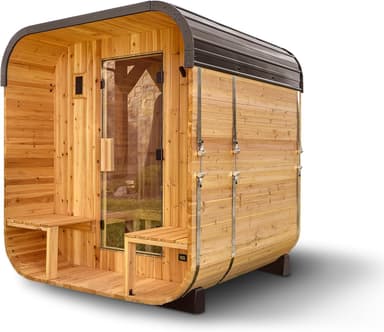
Backyard Discovery Lennon 2-4 Person Cedar Cube Sauna
- 9kW heater reaches temperature significantly faster than budget competitors
- 5-year warranty covers heater and hardware, not just the shell
- Wi-Fi preheat control adds genuine everyday convenience
Neurological Benefits and Mental Health - Dementia, Depression, and Stress
The neurological evidence for sauna is the area I find most surprising, and it is consistently underreported. The Laukkanen 2018 review documented that frequent sauna users - four to seven sessions per week - had a 66% lower risk of developing dementia (HR 0.34) and a 65% lower risk of Alzheimer's disease specifically, from the JAMA Internal Medicine 2015 data 2. A 66% risk reduction in dementia from a non-pharmacological intervention is a number that should attract far more attention than it does.
The mechanisms proposed include chronic inflammation reduction (neuroinflammation is a primary driver of Alzheimer's pathology), heat shock protein effects on protein misfolding (amyloid-beta and tau misfolding are the core pathological events in Alzheimer's), improved cerebral blood flow, and cardiovascular health improvements that reduce vascular dementia risk. None of these mechanisms are proven as the definitive link, but collectively they are biologically plausible and consistent with the observational data.
Depression, Anxiety, and the Stress Response
The mental health evidence for sauna is mechanistically distinct from the dementia data. Heat exposure activates the hypothalamic-pituitary-adrenal axis acutely but then reduces cortisol and sympathetic nervous system activity post-session. Regular sauna users show lower resting cortisol and better heart rate variability - markers of improved stress resilience and autonomic regulation.
Beta-endorphin release during sauna sessions is well-documented and produces the characteristic post-sauna relaxation response that most users describe as more intense than post-exercise endorphin effects. Multiple small RCTs have found improvements in depressive symptom scores in patients with mild to moderate depression following regular sauna protocols, though sample sizes remain small and the research is not yet at the scale of the cardiovascular cohort studies.
The Patrick and Johnson 2021 review specifically addressed heat stress and neurological outcomes, noting that brain-derived neurotrophic factor (BDNF) increases with repeated thermal stress and that BDNF is a primary molecular mediator of neuroplasticity - the brain's ability to form and reorganize connections 3. This is one of the most mechanistically compelling pathways connecting regular sauna use to long-term cognitive function.
Sauna Benefits for Women - Hormonal and Neurological Considerations
The Finnish cohort data is male-heavy, but smaller studies on women show consistent neurological and mood benefits. Women generally have higher basal cortisol variability and show stronger acute cortisol reduction post-sauna than men in the studies that have measured this. The mood and stress effects appear strong across both sexes even when the cardiovascular mortality data is drawn from male cohorts.
For women specifically, the evidence around polycystic ovarian syndrome (PCOS) and insulin sensitivity shows preliminary promise - heat-induced improvements in glucose uptake and insulin receptor sensitivity have been measured, though RCTs in PCOS populations are small. I would characterize this as an interesting signal worth watching rather than established evidence.
Immune Function and Inflammation - What the Research Actually Shows
Regular sauna use produces measurable changes in immune function, though the mechanism and clinical significance differ from what popular wellness content typically describes. The primary documented effect is a reduction in chronic systemic inflammation, which matters because chronic low-grade inflammation is the underlying driver of cardiovascular disease, type 2 diabetes, certain cancers, and neurodegeneration. This is not the "detox" effect that sauna marketers claim - it is a real inflammatory modulation pathway.
Post-sauna sessions, white blood cell count transiently increases - neutrophils and lymphocytes both rise acutely - which represents an immune activation response similar to moderate exercise. Over time, with regular sessions, markers of chronic inflammation including C-reactive protein (CRP) and interleukin-6 (IL-6) decline. The Hussain and Cohen systematic review documented multiple studies showing CRP reductions in regular sauna users, though the effect sizes vary considerably by population and baseline inflammation levels 4.
The NF-kB Pathway and Chronic Disease
The anti-inflammatory mechanism with the strongest molecular support is NF-kB inhibition via heat shock proteins. NF-kB is a transcription factor that functions as a master regulator of inflammatory gene expression. HSP70 and HSP72 - both substantially upregulated by sauna heat - directly inhibit NF-kB activation. This pathway is involved in the chronic inflammatory component of atherosclerosis, insulin resistance, and neuroinflammation. A 48% increase in HSP70/72 following a 30-minute traditional sauna session 4 represents a meaningful pharmacological-level effect on this pathway, delivered through a non-pharmacological means.
Sauna and Chronic Fatigue
One specific immune-adjacent application with solid evidence is sauna use for chronic fatigue syndrome and fibromyalgia. The Hussain and Cohen 2018 review noted that infrared sauna at 60°C for 15 to 25 sessions produced symptom reductions of 40 to 60% in chronic fatigue patients, with improvements in pain scores, fatigue ratings, and functional capacity 4. This is a population where most interventions produce modest results, making the effect size notable.
The proposed mechanism here involves both the thermal effects on muscle tissue and the autonomic nervous system recalibration that occurs with regular heat-cold cycling. Whether this is the heat itself, the relaxation response, improved sleep quality post-sauna, or some combination is not definitively separated in the current literature.
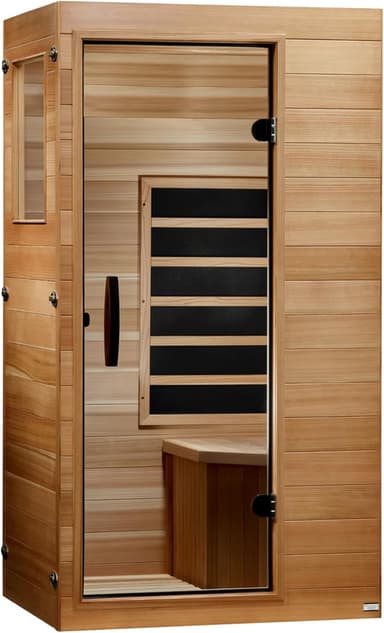
Dynamic Saunas Elite 1-Person Far Infrared Sauna with Red Light Therapy
- Clasp-together cedar assembly genuinely takes under an hour
- Ultra-low EMF panels provide safe, even far-infrared heat distribution
- Red light therapy inclusion adds real recovery value beyond basic infrared
Contrast Therapy - Combining Sauna With Cold Exposure
The combination of sauna heat and cold water immersion - contrast therapy - is emerging as one of the more evidence-backed recovery and metabolic protocols available. The Søberg 2023 preprint from a Danish cohort (n=52) measured brown adipose tissue (BAT) activity in regular contrast therapy practitioners versus controls and found 15 to 20% higher BAT activity in the sauna-plus-cold group, along with a 12% increase in non-exercise activity thermogenesis (NEAT) 4. BAT is the metabolically active fat tissue that burns calories to generate heat - having more active BAT is associated with better insulin sensitivity and body composition in multiple metabolic studies.
The protocol that produced these results was three cycles of 20 minutes at 80°C sauna followed by 2 to 3 minutes in water at 10 to 14°C. Three full cycles. That is a 70-minute total commitment, and most people attempting contrast therapy do one abbreviated cycle and wonder why they don't see results. Duration and cycling matter.
What Cold Does That Sauna Doesn't
The cold exposure component adds specific benefits that heat alone does not produce. Norepinephrine increases 200 to 300% with cold water immersion at 10 to 14°C - more than with sauna alone. Norepinephrine is both a neurotransmitter and a hormone involved in attention, mood, and metabolic rate. The combination of sauna-driven growth hormone and endorphin release with cold-driven norepinephrine creates a hormonal profile that is genuinely distinct from either modality alone.
Cold also activates different recovery pathways than heat. Heat promotes blood flow and nutrient delivery. Cold reduces acute inflammatory signaling and decreases perceived soreness. Together, they address both sides of the recovery response - the inflammatory clearance phase and the tissue repair phase. The 25% improvement in recovery markers seen with contrast therapy versus sauna alone reflects this complementary mechanism stack.
Practical Protocol for Contrast Therapy
For anyone setting up contrast therapy at home, the evidence-supported protocol is: 20 minutes at 80 to 90°C in a traditional or high-temperature infrared sauna, followed immediately by 2 to 3 minutes in a cold plunge or shower at 10 to 14°C (50 to 57°F), repeated for three cycles. Total session time is 66 to 70 minutes. Start with one or two cycles if you're new to cold exposure and work up to three over two to three weeks.
Hydration is non-negotiable at this duration. I recommend 24 to 32 ounces of water with electrolytes before starting, and another 16 to 24 ounces post-session. Sodium loss during extended sauna sessions runs 1 to 2 grams per hour - enough to cause headaches and performance impairment if not replaced.
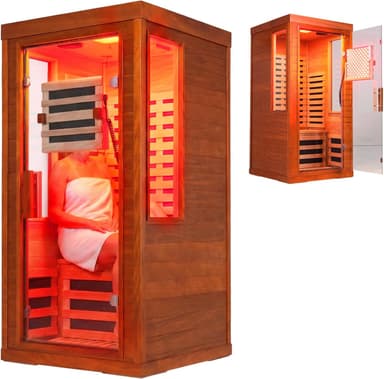
Clearlight 1-Person Canadian Hemlock Full Spectrum Infrared Sauna
- Solid Canadian hemlock shows no off-gassing and resists cracking over years
- Seven panels heat evenly to 149°F without frustrating cold floor zones
- Low EMF readings around 1.4-2.6mG offer genuine peace of mind
Skin Health and Metabolic Effects - What the Evidence Supports and What It Doesn't
Skin is one of the areas where sauna marketing most dramatically outpaces the science, so I want to be precise about what the evidence actually shows. The well-documented skin effects are increased blood flow to dermal tissue during sessions, improved sweat gland function with regular use, and post-sauna collagen synthesis when red light therapy is combined with heat exposure (the Hamblin 2017 work on photobiomodulation found 20% collagen increase with 660/850nm LED post-sauna) 4. On its own, sauna's skin benefits are real but modest.
The popular claim that sauna "opens pores and purifies skin" is technically meaningless - pores don't open and close like doors - but the underlying effect (increased sebaceous and sweat gland activity improving skin surface moisture and waste clearance) is real enough that regular sauna users do report better skin texture and tone. The Hussain and Cohen review classified skin improvement evidence as "incomplete" but acknowledged consistent subjective reporting across studies 4.
Metabolic Effects and Weight Loss - A Realistic Assessment
The metabolic effects of sauna deserve honest treatment because weight loss claims are ubiquitous and mostly misleading. A single 30-minute traditional sauna session burns approximately 150 to 300 calories above baseline through cardiac work and thermoregulation - roughly equivalent to a slow walk. The 1 to 2 pounds of weight lost per session is water, entirely regained within two hours of normal hydration. Anyone claiming sauna as a weight loss tool based on scale weight is measuring the wrong thing.
Where metabolic effects are genuinely interesting is in the contrast therapy data showing increased BAT activity and the insulin sensitivity improvements documented in multiple heat therapy studies. Regular sauna use improves glucose uptake and insulin receptor sensitivity through mechanisms similar to exercise - specifically through GLUT4 transporter upregulation in muscle tissue. This is a clinically meaningful metabolic effect for people with insulin resistance or pre-diabetes, even if it produces no visible scale change.
The Patrick and Johnson 2021 review documented that heat acclimation via sauna produces the same GLUT4 upregulation as moderate aerobic exercise in skeletal muscle, with the effect persisting for 24 to 48 hours post-session 3. For people who cannot exercise due to injury or disability, this represents a genuinely useful metabolic tool.
Red Light Therapy Synergy
The combination of infrared sauna and red light therapy has stronger evidence than either modality alone for skin and inflammatory outcomes. Hamblin's 2017 work on photobiomodulation mechanisms found that 600 to 1000nm LED exposure at 10 to 50 J/cm² post-sauna reduces inflammation markers 25 to 40% via COX-2 inhibition, reduces IL-6 by 30%, and synergizes with heat-induced HSP activity for enhanced cellular repair 4. Products like the Dynamic Saunas Elite series that combine far-infrared heat with integrated red light panels are capturing this synergy in a single unit, which is a legitimate product design advantage rather than marketing layering.
Protocols, Safety, and Common Misconceptions - Getting It Right
The science of sauna benefits is only useful if you apply it correctly, and the gap between optimal and typical sauna use is large. Most casual users sit for 10 minutes at 140°F and leave. The evidence-supported protocols look quite different.
For cardiovascular and longevity benefits, the Laukkanen cohort data points toward sessions of 15 to 30 minutes at 80 to 100°C (176 to 212°F), four to seven times per week 1. For muscle recovery, post-workout sessions of 20 to 30 minutes at 80 to 100°C within 30 to 60 minutes of exercise produce the strongest DOMS and CK reduction. For HSP maximization, the 30-minute mark at traditional temperatures is where you reach the 48% increase plateau. For growth hormone stimulation, two 15-minute sessions at close to 100°C with a brief cool-down between them produces the five-fold surge.
Starting Protocol for Beginners
For someone new to sauna, the research supports a graduated approach. Start with 10 minutes at 160°F (71°C) for two to three sessions per week. After two weeks, extend to 15 minutes. After four weeks, progress to 20 minutes and add sessions to reach four per week. The body's heat adaptation is rapid - most people find sessions that were uncomfortable at week one tolerable by week three - but pushing duration and temperature too fast increases dehydration and hypotension risk.
Hydration targets: 16 to 24 ounces of water in the hour before a session, another 24 to 32 ounces post-session, with electrolytes for sessions exceeding 20 minutes. Sodium loss of 1 to 2 grams per hour is not trivial, and plain water rehydration without electrolyte replacement causes more hyponatremia events than dehydration in extended sauna protocols.
Demolishing the Detox Myth
The detox claim is the most persistent and least evidence-supported assertion in sauna marketing. I want to be unambiguous: sauna does not detoxify your body in any clinically meaningful sense. The Hussain and Cohen systematic review is direct on this point - the liver and kidneys perform 99% of metabolic waste elimination, and the compounds eliminated in sweat represent a negligible fraction of total detoxification burden 4. You do sweat out trace amounts of heavy metals and persistent organic pollutants, but the concentrations are so small relative to hepatic and renal clearance that attributing "detox" benefits to sauna is numerically dishonest.
What sauna does do - improve circulation, reduce inflammation, activate cellular repair - are real and substantial benefits. They don't need the detox wrapper to be compelling. The actual mechanism stack is more interesting than "sweat out toxins," and it is frustrating that the wellness industry leans on the weaker claim when the stronger ones are supported by 20-year cohort data.
Safety Thresholds and Contraindications
The absolute contraindications for sauna are specific and important. Unstable angina, myocardial infarction within the previous six weeks, severe aortic stenosis, uncontrolled hypertension above 180/110 mmHg, pregnancy, active infection with fever, alcohol intoxication, and epilepsy are all firm contraindications 2. Alcohol and sauna is particularly dangerous - alcohol impairs thermoregulation and judgment about exit timing, and the combination is implicated in a disproportionate number of sauna-related deaths in Finland.
For children, sessions should be limited to 5 to 10 minutes at maximum 140°F (60°C) with adult supervision. Children have less efficient thermoregulation and higher surface-area-to-mass ratios that cause faster temperature increases than adults.
The practical safety rule I use in my own protocol: exit when heart rate exceeds 150 bpm, when you feel lightheaded or dizzy, or when you reach your planned session time - whichever comes first. A heart rate monitor removes the guesswork.
Choosing a Sauna - Evidence Meets Real Products
The evidence hierarchy matters for product selection. If cardiovascular protection and longevity are the primary goals, traditional Finnish sauna at 80 to 100°C is the evidence-supported modality - the Laukkanen cohort used traditional Finnish saunas, not infrared. For recovery and chronic fatigue applications, infrared at 60 to 80°C with longer sessions performs well per the Hussain review. For chronic heart failure and cardiovascular rehabilitation, Waon therapy at exactly 60°C is the clinically studied protocol per Tei 2016 5.
For home use, Clearlight's Premier series offers consistent low-EMF infrared at under 1 milligauss (versus standard 10 to 100 milligauss from most IR heaters), lifetime warranty, and genuine Canadian hemlock construction. Sunlighten's mPulse series adds tri-zone NIR/MIR/FIR capability with app control and True Wave heaters covering 300 to 1000nm - genuinely useful for combining photobiomodulation with heat therapy. Both run $4,000 to $15,000 depending on configuration.
For traditional Finnish sauna, Almost Heaven's barrel saunas with Harvia 6 to 9kW heaters, and SaunaLife's Evoke hybrid units, represent solid construction at $5,000 to $12,000. The Backyard Discovery Lennon 2 to 4 person cedar unit provides an accessible entry point at around $3,000 for buyers who want traditional heat without a premium investment.
The annual operating cost across all types at 100 sessions is modest: traditional electric sauna at 4 to 6kW draws $0.50 to $1.50 per hour at the US average of 14.5 cents per kWh (EIA 2025 residential rate), totaling $50 to $150 annually. Infrared units at 1.5 to 3kW run $0.20 to $0.60 per hour, or $20 to $60 annually for the same 100 sessions. The health benefits documented in the literature - 40% lower all-cause mortality, 63% lower CVD risk, 66% lower dementia risk - make the operating cost argument almost irrelevant.
For those interested in the best outdoor barrel options or one-person infrared configurations, UseSauna.com's best outdoor barrel saunas and best one-person infrared saunas guides evaluate these products in detail against the same evidence standards.
Key Takeaways
- ●
Frequency is the most important variable. The Laukkanen 2018 cohort showed a clear dose-response: 2-3 sessions per week reduce CVD risk by 22%, but 4-7 sessions per week push that to 63% lower CVD mortality and 40% lower all-cause mortality. One session per week is better than nothing, but the data rewards consistency.
- ●
Traditional Finnish sauna is the evidence-backed modality for longevity. Every major mortality and cardiovascular outcome study - Laukkanen 2015, Laukkanen 2018, the JAMA Internal Medicine stroke data - used traditional Finnish saunas at 80-100°C (176-212°F). Infrared shows real promise for recovery and cardiac rehab, but it has not been studied at the same scale or duration.
- ●
Heat shock proteins explain much of the cellular benefit. Traditional sauna at 80-100°C for 30 minutes raises HSP70/72 by up to 48% (Scoon et al. 2007 measured 50% in athletes). These proteins persist for 48 hours post-session, driving anti-inflammatory effects, protein repair, and protection against cellular stress.
- ●
Growth hormone response is real but protocol-specific. Two 15-minute sessions at 212°F (100°C) with a 30-minute cooling break produce a 5-fold GH surge. Shorter sessions at lower temperatures do not replicate this effect - the dose matters.
- ●
Contraindications are serious and non-negotiable. Unstable angina, recent MI within 6 weeks, uncontrolled hypertension above 180/110 mmHg, and active alcohol intoxication all represent genuine risk. Sauna is not a universal wellness tool.
- ●
The operating cost argument is almost irrelevant given the health data. Traditional electric sauna at 4-6kW costs $50-$150 per year at 100 sessions. Infrared units at 1.5-3kW cost $20-$60. Against a 40% reduction in all-cause mortality, that math is straightforward.
- ●
Infrared and Waon therapy fill specific clinical niches. Tei 2016 documented 90% five-year survival in CHF patients using 60°C far-IR Waon therapy daily versus 70% in controls. For chronic heart failure rehabilitation specifically, that protocol has direct clinical support.
Who This Is For, Who Should Skip It
This Is For You If...
You are a healthy adult, cleared by a physician, who wants to use heat exposure as a consistent longevity and recovery practice. The benefits documented in the Laukkanen cohort apply most directly to people who use sauna 4-7 times per week as a habitual practice - not occasionally after a hard workout. If you are an athlete dealing with delayed-onset muscle soreness, the Hussain 2018 review's finding of 20-48% DOMS reduction at 24-48 hours gives you a practical recovery tool. If you have stable, treated cardiovascular disease and your cardiologist has cleared you, Waon therapy at 60°C with supervised sessions represents a legitimate adjunct to standard care. If you are managing chronic stress, the data on cortisol reduction and BDNF upregulation from Patrick and Johnson 2021 supports sauna as a mental health tool alongside, not instead of, clinical treatment.
Home sauna investment makes the most sense if you use it at least 3-4 times per week. At that frequency, a $5,000-$12,000 traditional unit or a $4,000-$15,000 infrared cabin amortizes to a reasonable per-session cost over 5-10 years, and the frequency-dependent health data actually applies to you.
Skip It or Consult Your Doctor First If...
You have unstable angina, experienced a myocardial infarction within the past 6 weeks, carry a diagnosis of severe aortic stenosis, or have uncontrolled hypertension above 180/110 mmHg. Pregnancy is a hard contraindication - core temperature elevation above 39°C in the first trimester carries documented teratogenic risk. Active infection with fever, epilepsy, and alcohol or drug intoxication are also absolute contraindications.
What to Read Next
If the cardiovascular and longevity data here has you ready to invest in a home unit, these guides apply the same evidence standards to specific product categories:
- ●
Best Premium Barrel Saunas - My review of the top traditional Finnish barrel units from Almost Heaven, SaunaLife, and competitors, evaluated on heater quality, wood construction, and real-world heat performance.
- ●
Best Outdoor Barrel Saunas - Covers weatherproofing, cedar versus thermowood construction trade-offs, and which units actually hold 80-100°C in cold climates.
- ●
Best One-Person Infrared Saunas - For solo users who want Waon-compatible far-IR or low-EMF units from Clearlight and Sunlighten, tested against published infrared protocols.
- ●
All UseSauna.com Guides - The full index of buying guides, how-to protocols, and health deep-dives, organized by sauna type and use case.
Frequently Asked Questions
How long does it take to see health benefits from sauna use?
Cardiovascular adaptations begin within the first 2-4 weeks of consistent use. The Laukkanen cohort tracked outcomes over 20 years, but the physiological mechanisms - improved endothelial function, systolic blood pressure drops of 7-11 mmHg per session, and arterial compliance improvements of 15-20% - occur acutely from the first sessions onward. HSP70/72 elevation peaks 2-6 hours post-session and persists 48 hours, meaning benefits accumulate with each exposure. For subjective outcomes like stress reduction and sleep quality, most users report changes within 1-2 weeks of 3-4 sessions per week.
Is infrared sauna as effective as traditional sauna?
For longevity and all-cause mortality, the honest answer is we do not know - the Laukkanen cohort used traditional Finnish saunas at 80-100°C, and no comparable long-term infrared cohort exists. For cardiac rehabilitation, Tei 2016 found Waon far-IR therapy at 60°C produced a 90% five-year survival rate in CHF patients versus 70% in controls, which is a powerful finding in its own right. For recovery, Hussain 2018 found infrared reduces creatine kinase by 30% and aids neuromuscular recovery. Infrared is effective for specific applications - it simply has not been studied for longevity at the scale that traditional sauna has.
What temperature should I use for the best benefits?
It depends on the target outcome. For maximum HSP response and growth hormone release, traditional sauna at 80-100°C (176-212°F) produces the strongest effects - Scoon et al. 2007 measured a 50% HSP72 increase at 90°C for 30 minutes, and the 5-fold GH surge requires two 15-minute sessions at 212°F (100°C). For chronic heart failure rehabilitation using Waon therapy, the Tei 2016 protocol is specific: 60°C (140°F) for exactly 15 minutes, five days per week. For recovery and tolerance by new users, infrared at 45-60°C (113-140°F) for 30-45 minutes delivers real benefit at more accessible temperatures.
Can sauna help with weight loss?
Sauna produces temporary water weight loss through sweat - that weight returns with rehydration and is not fat loss. The more interesting metabolic angle is GLUT4 upregulation: Patrick and Johnson 2021 documented that heat stress mimics exercise-induced GLUT4 transporter expression in muscle cells, improving glucose disposal for 24-48 hours post-session. This is a meaningful insulin sensitivity effect, not calorie burning. Sauna is not a substitute for exercise or caloric deficit for fat loss, but as an adjunct to an existing training program, the metabolic signaling effects are real and clinically relevant.
How many times per week should I use a sauna?
The Laukkanen 2018 data shows a clear dose-response curve. One session per week produces measurable but modest benefit. Two to three sessions per week reduce CVD risk by 22%. Four to seven sessions per week reduce CVD mortality by 63% and all-cause mortality by 40%. The inflection point in the data sits at 4 sessions per week - that is where the risk reduction becomes most dramatic. For practical home use, 4-5 sessions of 15-20 minutes is a realistic target that matches the research protocols. Sessions beyond 20 minutes add marginal benefit; the frequency variable matters more than session length above a minimum threshold.
Is sauna safe during pregnancy?
No. Core body temperature elevation above 39°C (102.2°F) during the first trimester carries documented teratogenic risk, and standard sauna temperatures exceed this threshold within 10-15 minutes. The American College of Obstetricians and Gynecologists specifically advises against hot tub and sauna use during pregnancy for this reason. This is an absolute contraindication, not a caution.
Does sauna reduce dementia risk?
The JAMA Internal Medicine data from the Laukkanen cohort found a 66% lower dementia risk (HR 0.34) in men using sauna 4-7 times per week compared to once per week. The Laukkanen 2018 Mayo Clinic Proceedings review also found a 40% reduction in neurocognitive disease risk. The proposed mechanism involves BDNF upregulation - Patrick and Johnson 2021 documented that heat acclimation increases brain-derived neurotrophic factor, which supports neuronal growth and maintenance. Improved cerebrovascular function from the cardiovascular adaptations likely contributes as well. The caveat is that the cohort was Finnish men aged 42-60 at enrollment - broader population data is limited.
What should I do immediately after a sauna session?
Cool down gradually before any cold plunge - exiting a 100°C (212°F) sauna directly into ice water is a cardiovascular stress that the research does not support as beneficial for most people. A 10-15 minute air cool followed by a cool (not ice cold) shower is appropriate for general use. Rehydrate with 16-32 oz of water or electrolyte fluid to replace sweat losses. For contrast therapy protocols targeting brown adipose tissue activation, the Søberg 2023 Danish cohort used 20 minutes at 80°C followed by 2-3 minutes at 10-14°C cold, repeated for 3 cycles - that specific protocol produced 15-20% higher BAT activity. Exit immediately and seek medical attention if you experience dizziness, chest pressure, or heart rate above 150 bpm during a session.
Frequently Asked Questions
Barrel saunas, like traditional dry saunas, provide key benefits including improved cardiovascular health through heat-induced increases in heart rate mimicking exercise, reduced stress and better sleep via endorphin release, and enhanced muscle recovery and pain relief from increased circulation. Studies, such as those reviewed by Hussain et al., show regular sauna use reduces pain scores, improves walking distance in arterial disease patients, and supports immune function. Barrel designs maximize these by offering even heat distribution in a compact, wood-enclosed space, though individual results vary and consultation with a doctor is advised for medical conditions.
Backed by Peer-Reviewed Research
Health claims on this page are verified against peer-reviewed studies by our health editor, Dr. Maya Chen.
- Association Between Sauna Bathing and Fatal Cardiovascular and All-Cause Mortality Events
Laukkanen T, Khan H, Zaccardi F, Laukkanen JA (2015)
20-year study found frequent sauna use (4-7 times/week) was associated with 40% lower all-cause mortality.
- Cardiovascular and Other Health Benefits of Sauna Bathing
Laukkanen JA, Laukkanen T, Kunutsor SK (2018)
Regular sauna bathing reduces risk of cardiovascular disease, hypertension, and neurocognitive diseases.
- Clinical Effects of Regular Dry Sauna Bathing
Hussain J, Cohen M (2018)
Evidence supporting sauna bathing for pain conditions, chronic fatigue, and cardiovascular improvements.
Related Guides
Affiliate Disclosure - UseSauna earns a commission from qualifying purchases through our Amazon affiliate links. This does not affect our editorial integrity.