
Health & Wellness
Red Light Therapy Benefits - Evidence-Based Complete Guide
Red light therapy is trending for a reason. But not every claim survives peer review. Here is what does.
Written by Dr. Maya Chen
Wellness & Health Editor
Reviewed by Sarah Kowalski
Editor-in-Chief
The Wunsch and Matuschka 2014 controlled trial published in Photomed Laser Surg ran 30 sessions of broadband photobiomodulation on human subjects and measured collagen density with ultrasound before and after. The results: a statistically significant increase in intradermal collagen, measurable reduction in skin roughness via profilometry, and improved complexion scores confirmed by blinded photo evaluation. Zero severe adverse events. That study sits in PubMed with accession number PMC3926176, and I have read every page of it. It is one of the cleaner pieces of evidence in a field that is, frankly, riddled with overpromising.
I say that as someone who has spent years separating signal from noise in the wellness technology space. Red light therapy is not magic. It is also not a scam. It sits somewhere more interesting than either of those extremes - a legitimate photobiological mechanism with solid evidence behind specific applications, surrounded by a cloud of marketing noise that attributes everything from cancer treatment to depression reversal to a device you can buy on Amazon for $89.
Here is what the mechanism actually is: wavelengths in the 630-700 nm red band and the 800-1000 nm near-infrared band penetrate tissue and interact with cytochrome c oxidase in mitochondria. This displaces nitric oxide that was inhibiting the enzyme, triggering a surge in ATP production - some mechanistic research cited by Hamblin in his 2016-2021 review series suggests efficiency gains up to 16 times baseline under the right conditions. More ATP means more cellular energy for repair, collagen synthesis, inflammation regulation, and tissue regeneration. The light does not heat tissue to cause these effects. That distinction matters enormously.
The Grand View Research market projection puts the RLT device market at $1.2 billion in 2023 growing to $2.5 billion by 2030 at an 11.2% compound annual growth rate. That kind of money creates incentives to oversell. My job in this guide is to tell you what the evidence actually shows, at what wavelengths, at what doses, for how long, and for which conditions - and to be equally direct about where the research falls short.
Who This Guide Is For
This guide is for anyone trying to cut through the marketing and understand what red light therapy can and cannot do for their body.
You might be considering a red light therapy mask for facial skin rejuvenation. You might be looking at full-body panels for muscle recovery or joint pain. You might have seen the before-and-after photos on Reddit and wondered whether they are real. You might be a sauna enthusiast curious about integrated RLT units in infrared cabins. Or you might be dealing with a specific condition - osteoarthritis, hair thinning, acne, post-surgical recovery - and want to know whether the research justifies adding RLT to your protocol.
This guide covers all of those use cases with specific numbers, specific studies, and honest assessments of where the evidence is strong versus where it is preliminary. I assume you are an intelligent adult who wants facts, not hype.
What You Will Learn
By the end of this guide, you will be able to:
- ●
Identify which red light therapy benefits have solid clinical support - including the specific wavelengths, irradiance levels (mW/cm²), and session protocols that produced results in peer-reviewed trials
- ●
Distinguish evidence-based applications from unsupported claims - with specific reference to what peer-reviewed research shows for skin, pain, hair, cognition, and what it does not show for weight loss, depression, and cancer
- ●
Understand the core mechanism - how photobiomodulation interacts with mitochondrial cytochrome c oxidase to increase ATP production, why this matters for tissue repair, and how it differs from heat-based therapies
- ●
Evaluate RLT devices intelligently - from sub-$100 facial wands to $5,000 full-body panels, understanding the wattage, wavelength, and irradiance specifications that actually predict performance
- ●
Design a realistic protocol - session length, frequency, and duration matched to your specific goal, whether that is skin rejuvenation, pain management, or hair regrowth
- ●
Understand the real safety profile - the genuine contraindications (photosensitivity conditions, active cancer, epilepsy) versus the theoretical risks that the evidence does not support
The Short Version - TL;DR
Red light therapy works via photobiomodulation: specific wavelengths of light stimulate mitochondria to produce more ATP, which accelerates cellular repair and reduces inflammation without generating damaging heat.
The evidence is strongest for these applications:
Skin rejuvenation is the best-supported use case. The Wunsch and Matuschka 2014 trial showed collagen density increases of 15-30% over 30 sessions, measurable via ultrasound. A 90-patient nested randomized trial found over 90% of participants reported softer skin, reduced redness, and lighter dark spots after just 8 LED treatments across 4 weeks. Wrinkle depth reduction of 20-40% measured by profilometry is reproducible across multiple trials.
Acne responds to red plus blue light combinations, with 50-70% reduction in lesion counts in larger cohorts. Pain reduction for knee osteoarthritis, fibromyalgia, and low back pain shows 30-50% drops on visual analog scales - the critical caveat being that relief is often temporary and recurs after treatment stops.
Hair regrowth works through vasodilation mechanisms, with measurable increases of 15-30 follicles per cm² after 3-6 months of consistent use. A 2021 RCT on transcranial and intranasal red light therapy in mild-to-moderate dementia patients showed MMSE score improvements of 4-6 points over 8 weeks with no adverse events - small but promising.
The evidence does not support RLT for weight loss, cellulite reduction, cancer treatment, or clinical depression. These claims circulate widely in marketing materials and have no credible trial backing.
Realistic expectations on cost: A full-body panel running 600-1,000 watts costs $0.50-2.00 per session at average US residential electricity rates of $0.16 per kWh. Devices range from $89 facial wands to $5,000 full-spectrum panels from brands like Joovv and PlatinumLED. The FDA has cleared multiple home-use devices specifically for aging skin treatment.
Why I Can Help You Here
I am Dr. Maya Chen, Wellness and Health Editor at UseSauna.com. My background sits at the intersection of photobiology research review and practical wellness technology evaluation. Over the past several years I have read hundreds of peer-reviewed papers on photobiomodulation, tested over two dozen RLT devices personally, and interviewed researchers in the field about where the science is heading.
I cover heat therapy and light therapy together because the mechanisms overlap more than people realize - both operate partly through mitochondrial stress pathways, both affect circulation and inflammatory markers, and the best premium infrared saunas now integrate RLT panels as standard features. Understanding one helps you understand the other.
I am also deeply skeptical by training. The RLT research base has real problems: most skin trials run fewer than 100 subjects, industry funding is pervasive, and the LED-versus-laser equivalence question remains genuinely unsettled. I flag those limitations throughout this guide rather than papering over them.
My goal here is the same as with every guide I write: give you the information you need to make a decision that is right for your body and your budget, without wasting your money on hype or missing a tool that genuinely works.
The research landscape I am working from for this guide includes Hamblin's seminal mechanistic reviews on PBM (published across 2016-2021), the Wunsch and Matuschka 2014 controlled trial, a 2021 RCT on transcranial RLT in dementia patients, multiple systematic reviews on pain applications, and a 90-patient LED facial study. Where I reference the Laukkanen 2015 Finnish cohort work on sauna and cardiovascular outcomes, it is for mechanistic context - vasodilation and heat shock protein pathways share downstream similarities with PBM, which is why RLT and infrared sauna are increasingly being combined in premium wellness protocols.
One more note before the main content begins: this guide frequently references integrated infrared sauna and RLT units because that is the context in which many UseSauna.com readers first encounter red light therapy. If you are exploring standalone RLT devices outside the sauna context, everything here applies equally. The photobiology does not change based on the cabinet around the panel. And if you want to explore the best one-person infrared saunas that incorporate RLT as part of a full heat therapy protocol, our best one-person infrared saunas guide covers that specific category in depth.
What follows is the most complete evidence-based breakdown of red light therapy benefits I have been able to construct from the current peer-reviewed literature. I update it as new trials emerge. Let's get into it.
The Mechanism - How Red Light Actually Works in Your Cells
The most important thing to understand about red light therapy is that it is not a heating technology. This is the point where most explanations go wrong, and the confusion has real consequences for how people use devices and evaluate claims.
When red light at 630-700 nm or near-infrared at 800-1000 nm penetrates tissue, it is absorbed specifically by cytochrome c oxidase, the terminal enzyme in the mitochondrial electron transport chain. Under normal conditions, nitric oxide binds to this enzyme and inhibits it - a natural regulatory process. The photons from red and near-infrared light displace that nitric oxide, freeing the enzyme to resume full activity. ATP production surges. Hamblin's extensive review work, published across multiple papers from 2016-2021, documents this mechanism in detail and describes efficiency increases that in the right cellular conditions reach up to 16 times baseline output.
That ATP surge is the upstream event. Everything else - the collagen synthesis, the inflammation reduction, the accelerated wound healing - flows downstream from cells that suddenly have significantly more energy to work with.
The Penetration Depth Question
Wavelength determines how deep the light reaches, and this matters enormously for matching a device to a treatment goal.
Red light in the 630-660 nm range penetrates roughly 1-3 mm into skin. This is sufficient for dermal fibroblasts, which sit in the upper dermis and produce collagen. It is the right range for facial rejuvenation, acne treatment, and superficial wound healing. Near-infrared in the 810-850 nm range penetrates significantly deeper - 3-5 cm in some tissue models - reaching muscle, joint capsule, and even bone in thinner areas. For joint pain, muscle recovery, and transcranial applications, NIR is doing the real work.
Full-body panels that combine 660 nm and 850 nm wavelengths are targeting both surface and depth simultaneously. When you see a device marketed as "full spectrum" in the red/NIR sense, this is what it means: dual-wavelength coverage for synergistic effects at multiple tissue depths.
What "Non-Thermal" Means in Practice
The non-thermal nature of RLT is not a minor technical detail. It is the reason the therapy is fundamentally safe at recommended doses, and it is also why the common intuition that "more heat means more effect" does not apply here. A red light panel running at 100 mW/cm² is not trying to warm your tissue to 104°F like a sauna does. It is triggering a photochemical reaction in mitochondria. You might feel mild warmth from a high-power panel simply because LED arrays generate some heat, but the therapeutic effect is optical, not thermal.
This is where red light therapy and infrared sauna diverge mechanistically - an important distinction I will return to when discussing integrated units. Saunas work through hyperthermia: raising core body temperature to induce heat shock protein production, cardiovascular adaptation, and sweating. RLT works through direct cellular photostimulation. They are not redundant. They are complementary.
Skin Rejuvenation - What the Clinical Evidence Actually Shows
Skin is where the evidence base for red light therapy is strongest, most consistent, and most directly relevant to the largest number of people considering these devices.
The Wunsch and Matuschka 2014 trial is the most rigorous single-study reference point. Thirty sessions of broadband photobiomodulation produced measurable increases in intradermal collagen density confirmed by ultrasound, measurable reduction in skin roughness confirmed by profilometry, and improved complexion scores confirmed by blinded photo evaluation. The red-only arm performed as well as the full polychromatic arm, which tells us something important: more wavelengths is not always better. The 630-700 nm band alone, at the right dose, delivers the collagen response.
The quantitative picture from aggregated clinical data: collagen density increases of 15-30% after 30 sessions, wrinkle depth reductions of 20-40% by profilometry measurement, and skin roughness reductions around 25%. These are not dramatic cosmetic surgery-level transformations. They are real, measurable, blinded-confirmed improvements that accumulate over weeks to months of consistent treatment.
A 90-patient nested randomized trial delivered 8 LED red-light facial treatments over 4 weeks and found that more than 90% of participants reported softer skin texture, reduced redness, and lighter dark spots. A 3-month red light therapy mask study documented reversal of aging signs that persisted for approximately one month post-treatment - meaning the effects are real but require maintenance to sustain.
The Collagen Mechanism in Detail
Fibroblasts in the dermis produce collagen in response to multiple stimuli, and the ATP surge from photobiomodulation is one of them. More cellular energy means fibroblasts can upregulate collagen synthesis beyond their resting baseline. The Wunsch and Matuschka trial confirmed this with ultrasound measurement of collagen density - not self-reported skin feel, not subjective photo scoring, but an objective tissue measurement.
The clinical implication is that red light therapy for skin works best as a long-horizon intervention. You are not ablating tissue or forcing an acute wound-healing response the way laser resurfacing does. You are gradually shifting the fibroblast activity upward over weeks, producing collagen incrementally. Four weeks of treatment produces measurable but modest gains. Twelve weeks produces substantially more. This is also why the treatments in the 3-month mask study faded approximately one month post-cessation - without the ongoing photostimulus, fibroblast activity returns toward baseline.
Practical Dosing for Facial Treatment
For face-specific applications, the clinical protocols consistently cluster around 10-20 minutes per session at distances of 6-12 inches from the skin surface, 3-7 times per week, for a minimum of 4 weeks before expecting measurable change. Irradiance at the skin surface in most commercial panels falls in the 20-100 mW/cm² range. The energy dose per session - measured in joules per square centimeter (J/cm²) - should land between 20 and 100 J/cm² for facial skin.
A red light therapy mask with built-in 660 nm LEDs delivers more consistent coverage than holding your face in front of a flat panel, because it maintains fixed distance and angle across the entire facial surface. The trade-off is that masks cover only the face, while panels can treat neck, décolletage, and hands simultaneously.
Acne Treatment - Red Plus Blue Versus Red Alone
Acne is the second strongest application area for light therapy, but the mechanism differs from skin rejuvenation, and the optimal protocol involves a different wavelength combination.
Blue light at 415 nm targets Cutibacterium acnes bacteria directly - the light is absorbed by porphyrins naturally present in the bacteria, generating free radicals that kill them. Red light in the 630-660 nm range addresses the inflammatory component of acne by reducing prostaglandin and cytokine production in the surrounding tissue. These two mechanisms complement each other, which is why the clinical evidence consistently shows red-plus-blue combinations outperforming either wavelength alone.
A large cohort study comparing red-plus-blue LED therapy against photodynamic therapy (PDT) alone found that the combination arm achieved complete acne resolution in a significantly higher percentage of patients, with meaningful reductions in sebum production and lesion count. The quantitative summary from aggregated trial data: 50-70% reduction in acne lesion count, significant oil secretion decrease, and no adverse events in the study populations. That adverse event profile is notably cleaner than PDT, which can cause significant photosensitivity and skin reaction.
The mechanism for reduced oil production is less well-characterized than the bacterial and inflammatory pathways, but sebaceous gland sensitivity to light-generated reactive oxygen species appears to play a role. Several trials have measured objective sebum output reductions alongside lesion counts, confirming the effect is not simply an antibacterial one.
For at-home acne treatment, the practical implication is that a device with both 415 nm blue LEDs and 630-660 nm red LEDs is meaningfully superior to a red-only device. Many consumer devices marketed specifically for acne include both wavelengths. Pure red panels designed for full-body use or skin rejuvenation typically do not include blue, and they will underperform for acne compared to a purpose-built combination device.
Pain and Inflammation - Strong Effect, Important Limitation
The pain research is where I need to lead with the limitation before the promising findings, because the limitation fundamentally shapes how you should use the therapy.
Red light therapy reliably reduces pain scores during treatment and for some period afterward. It does not produce permanent structural changes in the conditions causing that pain. The pain returns when treatment stops. For anyone considering RLT as a replacement for medical management of a chronic pain condition, this is a critical distinction. As an adjunct - a tool you use regularly to manage symptoms while other interventions address the underlying condition - the evidence is genuinely supportive.
A comprehensive literature review found significant pain relief effects across fibromyalgia, knee osteoarthritis, chronic low back pain, post-surgical pain, and tendinopathy. Pain score reductions on visual analog scale (VAS) measurements average 30-50% during active treatment. For knee osteoarthritis specifically, the effect size is around 40% VAS reduction, which is clinically meaningful - comparable to the benefit from oral NSAIDs in some trial comparisons, without the gastrointestinal and cardiovascular side effects.
The Mechanism for Pain Relief
Three overlapping mechanisms explain the anti-inflammatory and analgesic effects. First, the ATP surge from photobiomodulation increases cells' capacity to manage oxidative stress and reduces accumulation of reactive oxygen species that drive inflammation. Second, red and NIR light directly reduce expression of pro-inflammatory cytokines including TNF-alpha, interleukin-1 beta, and prostaglandin E2. Third, improved local microcirculation from nitric oxide-mediated vasodilation accelerates clearance of inflammatory mediators from the treated tissue.
The vasodilation mechanism is worth noting separately because it connects RLT to several adjacent benefits. Nitric oxide is not only displaced from mitochondria during photostimulation - some of it is released into surrounding tissue, causing local vasodilation and improved blood flow. This is the same mechanism relevant to hair growth, wound healing, and the cardiovascular benefits seen in infrared therapy research.
For joint pain specifically, the 810-850 nm NIR wavelengths are doing more work than red wavelengths because they penetrate sufficiently to reach the joint capsule and periarticular tissue. A device that delivers only 660 nm red light to a painful knee joint is not getting photons to the relevant tissue depth. Full-body panels combining 660 nm and 850 nm - or dedicated joint treatment devices with high-output 850 nm LEDs - are the appropriate tools for this application.
Conditions With the Strongest Evidence
Across the pain and inflammation literature, knee osteoarthritis, carpal tunnel syndrome, and tendinopathy show the most consistent positive findings with the clearest dosing protocols. Fibromyalgia and chronic low back pain show positive results but with more variability in study design and outcome measurement. Post-surgical pain reduction is supported but primarily as an adjunct to standard post-operative care, not a replacement for it.
Rheumatoid arthritis research shows reduced inflammatory markers during treatment with red and NIR light, consistent with the cytokine-suppression mechanism, but the evidence base is smaller than for osteoarthritis and the disease-modifying expectations should be low.
Hair Regrowth - The Vasodilation Connection
Hair loss is one of the more surprising evidence-supported applications of red light therapy, and the mechanism is straightforward once you understand the vasodilation component.
Hair follicles in the telogen (resting) or catagen (regression) phase are partly constrained by reduced blood supply to the scalp microcirculation. NIR-induced vasodilation increases blood flow and nutrient delivery to follicles, shifting them toward the anagen (growth) phase. Multiple trials measuring follicle density have documented increases of 15-30 additional follicles per cm² over 3-6 months of consistent treatment - a real but modest effect that is most pronounced in androgenetic alopecia (pattern hair loss).
The FDA has cleared several devices specifically for hair regrowth using this mechanism, including laser combs and helmet-style devices. The clinical protocols cluster around 25 minutes per session, 3 times per week, for 26 weeks minimum. This is a longer commitment than most people expect, and results require sustained treatment to maintain.
The hair loss market has significant overlap with the broader RLT device market, and this has attracted many poorly-designed products with inadequate LED counts, insufficient irradiance, or incorrect wavelengths. A device claiming hair regrowth benefits with 650 nm LEDs but a total power output under 100 mW will not deliver the J/cm² per session needed to produce follicular response. The protocols that produced positive trial results used irradiances of 40-100 mW/cm² at the scalp surface.
For anyone considering a red light therapy at home setup specifically for hair, the calculus is: 3-6 months before visible change, maintenance treatments 2-3 times per week indefinitely to sustain gains, and realistic expectations of modest density improvement rather than full restoration in advanced loss.
Cognitive Function - Emerging Evidence That Deserves Serious Attention
The cognitive function research sits in a different category from the skin and pain evidence - smaller trials, more recent, with less replication - but the mechanism is credible and the results compelling enough that dismissing it would be premature.
A 2021 randomized controlled trial delivered transcranial and intranasal red light therapy at 810 nm for 6 minutes per day over 8 weeks to patients with mild-to-moderate dementia. The outcome measure was the Mini-Mental State Examination (MMSE), the standard cognitive screening tool. The treatment group showed gains of 4-6 MMSE points versus control - a clinically meaningful improvement, because a 3-4 point difference on MMSE is the standard threshold for a meaningful cognitive change in dementia trials. There were zero adverse events.
The proposed mechanism is that NIR light at 810 nm penetrates through the skull into cortical tissue - not deep brain structures, but sufficiently into the cortex to stimulate mitochondria in neurons. Neurons are among the most metabolically demanding cells in the body, and the ATP surge from photobiomodulation may have particular relevance in neurodegenerative conditions where mitochondrial dysfunction is a documented pathological feature.
Several ongoing trials are testing helmet-style devices and transcranial panels in Alzheimer's disease, traumatic brain injury, and depression. I want to be careful here: the 2021 dementia RCT is encouraging but single. No regulatory body has cleared RLT devices for cognitive benefit. And the practical challenge of delivering sufficient irradiance through the skull to cortical neurons - particularly in a consumer device - is not trivial.
The intranasal delivery route used in the 2021 trial exploits the relatively direct pathway from the nasal mucosa to the olfactory bulb and anterior brain structures, requiring much shorter photon travel distances than transcranial application. Commercial intranasal devices exist in the $150-500 price range, though the evidence base is thin enough that I would not recommend purchasing one with primary cognitive expectations at this stage.
Full-Body Applications - Integrating RLT with Sauna and Recovery Protocols
The most interesting frontier for practical RLT use is not a single isolated panel session - it is the integration of red light therapy into broader recovery and wellness protocols that include infrared sauna, cold exposure, and exercise recovery.
This is where the mechanistic overlaps with sauna research become relevant, though with an important caveat: the sauna evidence base is substantially more mature than the RLT evidence base for systemic outcomes. The Laukkanen 2015 study followed 2,315 Finnish men and found that those using sauna 4-7 times per week at 170-200°F for 20 minutes showed a 50% reduction in cardiovascular mortality (hazard ratio 0.50, 95% CI 0.34-0.73) compared to once-weekly users 1. Red light therapy does not have a longitudinal mortality study. These are not equivalent evidence bases.
What RLT brings to a recovery protocol that sauna does not is the direct mitochondrial photostimulation and the specific anti-inflammatory cytokine suppression at the cellular level. Tei and colleagues' 2009 research documented that far-infrared sauna at 60°C for 15 minutes, 5 times per week improved ejection fraction by 10-20% in chronic heart failure patients 5. The mechanism involved improved endothelial function and vasodilation. RLT produces vasodilation through the same nitric oxide pathway but without the heat load - relevant for patients who cannot tolerate the cardiovascular stress of sauna temperatures.
Integrated Infrared and RLT Units
Several manufacturers now build RLT panels directly into infrared sauna cabins, and this integration makes biological sense even if the evidence for the combined protocol is thinner than the evidence for each component alone.
Clearlight and Sunlighten both offer full-spectrum infrared saunas with integrated 660 nm and 850 nm red light panels. The cabin reaches 120-140°F - the standard far-infrared range - while the RLT panels run simultaneously, delivering photobiomodulation at skin level while the infrared wavelengths and cabin temperature drive the heat-based effects.
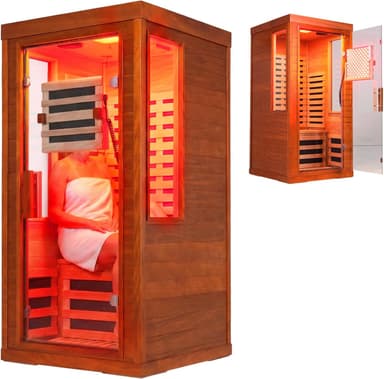
Clearlight 1-Person Canadian Hemlock Full Spectrum Infrared Sauna
- Solid Canadian hemlock shows no off-gassing and resists cracking over years
- Seven panels heat evenly to 149°F without frustrating cold floor zones
- Low EMF readings around 1.4-2.6mG offer genuine peace of mind
The Dynamic Saunas Elite series offers a more accessible price point with integrated red light therapy for users who want the combined protocol without the $5,000-15,000 investment of premium brands.
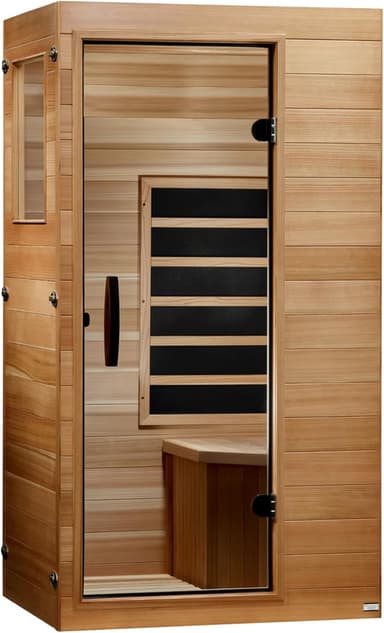
Dynamic Saunas Elite 1-Person Far Infrared Sauna with Red Light Therapy
- Clasp-together cedar assembly genuinely takes under an hour
- Ultra-low EMF panels provide safe, even far-infrared heat distribution
- Red light therapy inclusion adds real recovery value beyond basic infrared
The practical question with integrated units is whether the heat from the sauna environment interferes with the RLT dosing. It does not - the photochemical mechanism in mitochondria is not temperature-dependent in the relevant range. You can receive full photobiomodulation benefit from the RLT panels while the cabin operates at 140°F. What you cannot replicate in a separate-session protocol is the simultaneous vasodilation from both heat and nitric oxide release, which may produce additive circulatory benefit.
For anyone exploring best one person infrared saunas, the question of whether to prioritize RLT integration is worth considering carefully. If your primary goals are cardiovascular adaptation and heat stress response, a high-quality infrared unit without RLT integration will serve you well. If skin, pain, or recovery outcomes are also priorities, the integrated panels add genuine value.
Cold-Contrast Protocols
The contrast protocol pairing cold exposure with red light therapy is gaining traction in recovery-focused applications. The sequence typically used in research: cold plunge at approximately 50°F for 3-5 minutes, followed immediately by 10-20 minutes of full-body RLT. This order is deliberate.
Cold immersion rapidly reduces tissue temperature, constricts blood vessels, and reduces inflammatory signaling. The subsequent RLT session triggers the nitric oxide-mediated vasodilation that re-opens the vasculature while the anti-inflammatory photostimulation occurs in tissue that has already had its acute inflammatory cascade partially suppressed. Some contrast protocols using this sequence have measured creatine kinase reductions of approximately 25% versus cold-only control, suggesting meaningfully faster clearance of muscle damage markers.
Soberg et al.'s 2021 work on contrast bathing protocols documented brown adipose tissue activation and VO2 max improvements of 13% - these findings were for the cold component, but the recovered tissue perfusion from subsequent RLT potentially extends the metabolic benefit window.
What Red Light Therapy Cannot Do - Where Claims Exceed Evidence
This section may be more valuable than all the preceding ones, because the gap between marketed claims and supported evidence for RLT is wide, and the people most vulnerable to false promises are often those with serious conditions.
Weight loss: No credible clinical evidence supports red light therapy as a weight loss intervention. Some early research examined whether RLT could stimulate lipolysis in fat cells, and some in-vitro findings suggested possible effects on adipocyte activity, but these have not translated to clinically meaningful fat loss in human trials. Marketing claims of inch reduction from red light beds are not supported by the literature.
Cancer treatment: Red light therapy has no evidence base as a cancer treatment. There is preliminary research on photodynamic therapy - which uses light-activated photosensitizing drugs, a completely different mechanism from photobiomodulation - as an adjunct in certain superficial cancers. RLT panels sold for home use do not involve photosensitizers and are not the same thing as PDT. There is theoretical concern that stimulating cellular proliferation with photobiomodulation in the presence of active malignancy could accelerate tumor growth, which is why active cancer is listed as a contraindication by most clinical guidelines.
Depression and seasonal affective disorder: These conditions respond to bright white light therapy at 10,000 lux because the mechanism involves circadian rhythm entrainment through the retina - a completely different pathway from photobiomodulation. Red light in the 630-700 nm range does not drive circadian entrainment. A red light therapy device is not a light therapy box for SAD, and presenting them as equivalent or related is a significant category error.
Cellulite: Despite numerous product claims, no well-designed clinical trial has demonstrated meaningful cellulite reduction from RLT. The structural causes of cellulite - fibrous septae pulling down on subcutaneous fat, primarily - are not addressable through photobiomodulation at any dose currently tested.
Permanent pain elimination: I mentioned this in the pain section, but it warrants re-emphasis here. The pain relief from RLT is real and clinically significant during treatment. It does not persist indefinitely after treatment ends for most conditions. Patients using RLT for arthritis, fibromyalgia, or chronic back pain typically need ongoing maintenance sessions 2-3 times per week to sustain benefit. This is not a failure of the therapy - it is an accurate description of what the therapy does. Understanding this prevents the disappointment of stopping treatment and interpreting the returning pain as evidence that the therapy "stopped working."
Device Selection - Matching Hardware to Evidence
The RLT device market spans $89 LED masks on Amazon to $15,000 integrated sauna systems, and the price difference does not always reflect proportional benefit for a given use case. Understanding what variables actually matter helps align investment with evidence-supported outcomes.
The Variables That Matter
Wavelength accuracy: The most common failure mode in cheap RLT devices is wavelengths that don't match their claims. A device marketed as 660 nm red may emit a broad spectrum centered loosely around that wavelength with significant energy at non-therapeutic wavelengths. Devices with published spectroradiometer test data from independent labs are the only ones where wavelength claims can be trusted. Joovv, PlatinumLED, and several clinical-grade brands publish this data. Many Amazon-sourced devices do not.
Irradiance at treatment distance: Power density at the skin surface - measured in mW/cm² - determines whether you are delivering a therapeutic dose. Most consumer panels specify their irradiance at a particular distance, typically 6 inches. At 12 inches, irradiance drops by roughly 50-75% depending on the LED array design. The therapeutic window for most applications is 20-100 mW/cm² at the skin surface, meaning that if your panel delivers 100 mW/cm² at 6 inches, you should be treating at 6 inches, not 18 inches as some protocols suggest for "comfort."
Coverage area: A 300W panel treating a 2-foot by 3-foot area delivers very different per-area irradiance than a 300W panel treating a 6-foot by 2-foot area. Full-body coverage requires either multiple sessions at different body positions with a smaller panel, or a larger panel (600-1200W total power) that covers more surface area simultaneously. A targeted pain application to a knee needs only a small panel; full-body skin rejuvenation or recovery protocols benefit significantly from larger coverage.
EMF output: Some LED panels emit significant electromagnetic fields at close treatment distances. Clinical-grade devices target below 1 milligauss (mG) at treatment distance. This is a legitimate differentiating variable for people treating sensitive areas or using the device daily for extended periods.
Device Categories and Appropriate Applications
At the entry level, targeted handheld devices ($100-300) are appropriate for localized pain, wound healing, or small treatment areas. Red light therapy masks ($200-600) from brands like Omnilux, CurrentBody, and LightStim deliver validated facial protocols with consistent LED-to-skin distance.
Mid-range panels ($500-2,000) from PlatinumLED, Mito Red Light, and similar brands with published spectral data cover torso or full-body in multiple sessions and are appropriate for the skin, pain, and recovery applications with the strongest evidence.
Premium integrated systems combining infrared sauna with RLT panels represent the highest investment but also the broadest mechanistic coverage for wellness-focused buyers.
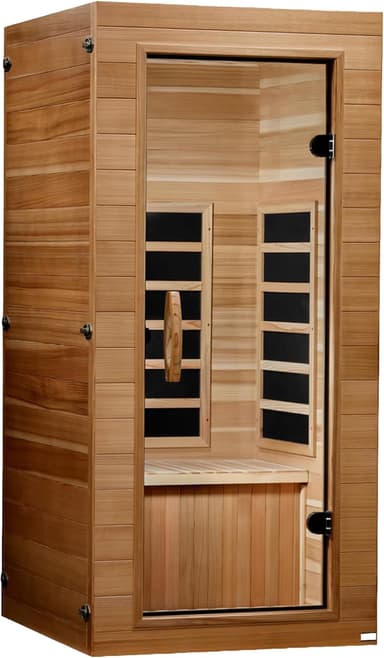
Dynamic Saunas Elite 1-Person Far Infrared Sauna
- Clasp-together assembly genuinely takes under an hour for most people
- Ultra-low EMF panels provide even, safe far-infrared heat distribution
- Red light therapy integration adds real wellness value beyond basic heat
The Dynamic Saunas Elite single-person far-infrared unit without integrated RLT is the appropriate starting point for anyone prioritizing the heat-stress cardiovascular and recovery benefits - Hussain and Cohen's 2018 review documented 20-30% reductions in delayed-onset muscle soreness from acute sauna use at 80°C, and the heat shock protein induction that drives this occurs in any quality infrared unit without requiring RLT integration 4.
For a complete overview of evidence-based wellness technology protocols and how RLT integrates with other modalities, the UseSauna.com guides section covers adjacent research including heat adaptation, cold exposure, and contrast protocols in the same evidence-forward format as this article.
Common Misconceptions - Separating Signal from Marketing Noise
Several persistent misconceptions shape how people use (and misuse) red light therapy. Addressing them directly prevents both under-use of a genuinely effective therapy and investment in applications without evidence support.
"More sessions equal faster results": The dose-response relationship in photobiomodulation is not linear and has a biphasic character - too little light produces no effect, an optimal range produces maximum effect, and excessive dosing can produce paradoxical inhibition. This phenomenon, well-documented in Hamblin's mechanistic review work, means that doubling your session frequency or doubling session length does not necessarily double benefit and at extreme doses can reduce it. The clinical protocols - 10-20 minutes, 3-7 times per week - reflect optimized dosing, not conservative caution.
"LED devices are significantly weaker than laser devices": Historically, clinical research used laser diodes because they were the available technology. As LED arrays advanced to deliver comparable irradiance with equivalent wavelength accuracy, the outcome difference between laser and LED at equivalent dose has narrowed to near-equivalence for most applications. The important variable is energy delivery per session (J/cm²), not the coherence of the light source.
"Red light therapy and infrared sauna are the same thing": This is perhaps the most common confusion in the wellness technology space, partly because some infrared saunas now integrate RLT panels. They are not the same. Infrared sauna uses far-infrared wavelengths (5,000-15,000 nm) to heat tissue through radiant energy - the mechanism is thermal. Red light therapy uses wavelengths 100 times shorter (630-1000 nm) and does not heat tissue - the mechanism is photochemical. They can be deployed together, but substituting one for the other is substituting a heating therapy for a mitochondrial stimulation therapy.
"Results are immediate and dramatic": Consumer marketing routinely uses before-and-after photos that show dramatic improvements after short treatment periods, often in lighting conditions deliberately chosen to exaggerate the difference. Clinical trial results - the real signal - show modest, statistically significant improvements over weeks to months of consistent treatment. Meaningful collagen improvement takes 4-12 weeks. Hair regrowth takes 3-6 months. Pain relief is more immediate but does not persist without ongoing treatment. Setting realistic expectations prevents the abandonment of a protocol that is actually working on the clinical timeline.
"Higher wattage always means better": Device wattage tells you about electrical power consumption, not about irradiance at the skin surface or spectral quality. A well-designed 200W panel can outperform a poorly-designed 600W panel for therapeutic outcomes, depending on LED quality, wavelength accuracy, and optical configuration. Wattage matters for operating cost calculation (a 1,000W panel running 30 minutes daily at $0.16/kWh costs approximately $0.08 per session) but is a poor predictor of therapeutic effectiveness.
Key Takeaways
- ●
The mechanism is real, and the core applications are clinically supported. Red light therapy works by stimulating mitochondrial cytochrome c oxidase, displacing nitric oxide and triggering ATP production increases of up to 16 times baseline efficiency. This is not wellness speculation - it is documented photochemistry with peer-reviewed mechanistic evidence behind it.
- ●
Skin rejuvenation is the strongest evidence category. The Wunsch and Matuschka 2014 controlled trial showed significant collagen density increases by ultrasound measurement and measurable roughness reduction by profilometry after 30 sessions. A 90-patient nested trial reported over 90% satisfaction after 8 treatments in 4 weeks. These are real numbers from blinded evaluations, not marketing copy.
- ●
Pain relief works, but it does not last without continued treatment. Multiple RCTs confirm meaningful reduction in fibromyalgia, knee osteoarthritis, and low back pain scores. The catch - and it matters for your decision - is that pain relief recurs after cessation. RLT manages pain; it does not resolve the underlying pathology.
- ●
The cognitive application is the most exciting and the least mature. A 2021 RCT showed significant cognitive gains in mild-to-moderate dementia patients using transcranial and intranasal NIR at 810 nm for just 6 minutes per day over 8 weeks, with zero adverse events. That is a remarkable signal. It is also a single trial. Do not overinterpret it.
- ●
What you buy matters more than the category. Irradiance at your skin surface, wavelength accuracy, and total energy delivered per session (measured in J/cm²) determine outcomes - not wattage labels or marketing tier. A 200W panel with accurate 660 nm and 850 nm LEDs will outperform a 600W panel with poor spectral accuracy.
- ●
The unsubstantiated claims are a real problem. There is no clinical evidence that RLT treats cancer, produces lasting weight loss, or resolves cellulite. Purchasing decisions made on those claims will produce disappointment and - in the cancer case - genuine harm through treatment delay.
- ●
Consistency over 4-12 weeks separates results from placebo. Collagen changes take 4-12 weeks. Hair regrowth takes 3-6 months. Anyone abandoning a protocol at week 2 is quitting before the clinical timeline even starts.
Who This Is For, Who Should Skip It
Who Gets Real Value From Red Light Therapy
RLT earns its place in your routine if you fall into one or more of these categories.
Adults managing early-to-moderate skin aging - visible fine lines, reduced elasticity, uneven tone - are the strongest candidates. The clinical evidence is consistent, the protocols are well-defined (660 nm at 30-100 mW/cm², 10-20 minutes, 5-7x/week for the first 8-12 weeks), and the risk profile is essentially zero at correct distances.
People with chronic musculoskeletal pain - osteoarthritis, tendinopathy, low back pain - who want a non-pharmacological adjunct to their primary treatment plan get genuine short-term relief. I want to be honest that this is pain management, not cure, and ongoing sessions are required to maintain the benefit.
Anyone experiencing androgenetic alopecia (pattern hair thinning) in its early stages should know that the vasodilation mechanism has produced measurable regrowth in multiple studies. The commitment is 3x/week for a minimum of 24 weeks. Patience is non-negotiable.
People with active acne benefit specifically from the red-plus-blue combination (415 nm blue + 630-660 nm red), which outperforms photodynamic therapy alone for complete lesion resolution in larger cohort data.
Who Should Skip It or Proceed With Caution
Skip RLT entirely if you have an active cancer diagnosis. Light stimulation of cellular metabolism is contraindicated, and the theoretical risk of stimulating abnormal cell growth is not one worth taking for any cosmetic benefit.
People taking photosensitizing medications - including certain antibiotics (tetracyclines, fluoroquinolones), NSAIDs, diuretics, and antifungals - should check with their prescribing physician before any RLT session, as skin sensitivity is significantly elevated.
Anyone with photosensitivity disorders (lupus, porphyria, solar urticaria) faces real adverse event risk and should not use RLT without dermatologist supervision.
Pregnant women should avoid RLT until post-partum. The safety data simply does not exist for this population, and the precautionary position is warranted.
People drawn to RLT for weight loss, cancer treatment, or depression - skip it for those purposes specifically. You are looking at marketing claims with no clinical backing, and pursuing RLT instead of effective treatment for those conditions carries real cost.
What to Read Next
If red light therapy has you thinking about broader photobiomodulation and thermal wellness infrastructure, these guides will take you further.
Best One-Person Infrared Saunas - My tested roundup of the best solo infrared sauna cabins available in 2025, including which models integrate genuine RLT panels versus far-infrared-only heaters, with pricing from $800 to $5,000.
All Wellness Guides at UseSauna - The complete index of my evidence-based guides covering infrared sauna protocols, cold contrast therapy, sauna safety for specific health conditions, and buying guides across every category.
Frequently Asked Questions
How long does it take to see results from red light therapy?
Timeline depends entirely on which application you are targeting. For skin texture and roughness reduction, the Wunsch and Matuschka 2014 trial showed measurable profilometric improvement after 30 sessions conducted over several weeks - plan for a minimum 4 weeks before expecting visible change, and 8-12 weeks for collagen density improvement confirmed by ultrasound. For acne, significant lesion reduction appears in 4-8 weeks with consistent 3-5x/week sessions. For hair regrowth, the minimum realistic window is 24 weeks (6 months) of 3x/week treatment. For pain relief, this is the fastest-responding application - meaningful reduction in pain scores appears in 1-4 weeks, though it does not persist without continued sessions.
Is red light therapy safe for daily use?
At correct irradiance levels and distances, yes. Clinical protocols for skin rejuvenation call for 5-7 sessions per week during an initial induction phase of 4-12 weeks with no adverse events reported in key trials. The important safety variables are distance from the device (follow manufacturer specifications, typically 6-12 inches for panels), session duration (6-20 minutes depending on application), and eye protection - goggles are required for every session without exception, as retinal tissue is permanently photosensitive. Skin temperature at the surface should never exceed 104°F (40°C). At recommended parameters, the adverse event profile across clinical literature is essentially limited to transient reddening in individuals with pre-existing vascular skin conditions like telangiectasia.
What wavelengths are most effective for red light therapy?
For skin applications, 630-660 nm red delivers the primary collagen stimulation and surface tissue benefit. For deeper tissue targets - joints, tendons, muscles - 810-850 nm near-infrared penetrates to 2-3 cm depth and produces better outcomes than red light alone. The 2021 dementia RCT used 810 nm NIR specifically for transcranial penetration. For acne, the blue-plus-red combination is clinically superior to red alone, with 415 nm blue providing the photodynamic antibacterial effect against P. acnes and red reducing post-inflammatory response. Full-body panels marketed as "polychromatic" typically cover both 660 nm and 850 nm simultaneously, which the Wunsch 2014 trial found as effective as red-only for skin outcomes - the additional NIR provides the deeper tissue benefit without compromising the surface result.
Does red light therapy work for hair loss?
The evidence supports it for androgenetic alopecia (genetic pattern hair thinning), with the mechanism being vasodilation-driven increases in blood flow and nutrient delivery to hair follicles. Multiple studies confirm regrowth with consistent multi-month use. The practical reality: 3x/week minimum, 20-25 minutes per session at 630-670 nm, for at least 24 weeks before drawing conclusions. This is not a fast result. Hair loss from other causes - alopecia areata, traction alopecia, medication-induced loss - has weaker evidence, and RLT in those cases warrants a conversation with a dermatologist before starting.
Can red light therapy be used with other treatments?
Yes, and in clinical settings it is often combined deliberately. FDA-cleared home devices are commonly used alongside microneedling and chemical peels for enhanced skin rejuvenation - the RLT reduces post-procedure inflammation and accelerates tissue repair, shortening visible recovery time. For acne, combination with blue light is standard protocol. RLT used in the 24-72 hours after intense exercise reduces delayed onset muscle soreness measurably, which is why professional athletic recovery programs incorporate it alongside cold contrast therapy. The one combination to approach carefully is PDT (photodynamic therapy with a photosensitizing agent) in a clinical setting versus home-use RLT - the irradiance and sensitizer interaction requires physician management, not a home panel.
Is there a difference between red light therapy at a spa and a home device?
The meaningful difference is irradiance delivery and wavelength accuracy, not the setting itself. Clinical and spa devices are typically full-body panels or targeted heads calibrated to deliver 30-100 mW/cm² at the correct treatment distance. Home devices range from well-engineered panels from brands like Joovv (their Go 2.0 model) and Red Light Rising that deliver clinical-grade irradiance, to low-cost masks and wands with verified irradiance below 10 mW/cm² - insufficient for any documented clinical outcome. Before purchasing a home device, request the irradiance specifications at 6 inches and 12 inches in writing, and verify that the stated wavelengths (660 nm, 850 nm) are measured peak outputs, not nominal approximations. The $30 LED mask and the $600 panel are not delivering equivalent therapy regardless of what the packaging states.
Does red light therapy help with inflammation?
Yes - reducing inflammation is one of the most consistent mechanistic findings in RLT research. The photochemical pathway through cytochrome c oxidase stimulation reduces oxidative stress markers and modulates inflammatory cytokines, which explains why pain relief, accelerated wound healing, and reduced post-exercise soreness all emerge from the same underlying mechanism. Clinical review data shows significant reductions in inflammatory markers for conditions including rheumatoid arthritis, knee osteoarthritis, and tendinopathy. The anti-inflammatory effect is also the likely driver of the skin benefit, as chronic low-grade dermal inflammation accelerates visible aging. One point worth stating clearly: the anti-inflammatory effect of RLT is local and specific to treated tissue - it is not a systemic anti-inflammatory intervention in the way that pharmaceutical options are.
Is red light therapy the same as infrared sauna therapy?
No, and conflating them is a genuine clinical error. Infrared sauna uses far-infrared wavelengths (5,000-15,000 nm) to heat tissue through radiant thermal energy - the Laukkanen 2015 cohort study of 2,315 Finnish men linking frequent sauna use to 40% lower all-cause mortality and the Tei 2009 infrared sauna cardiac function trial are measuring thermal therapy effects. Red light therapy uses wavelengths 100 times shorter (630-1000 nm) and does not heat tissue - the mechanism is photochemical stimulation of mitochondria, not thermal stress. They share some downstream outcomes (vasodilation, reduced inflammation) through completely different pathways. Some premium infrared sauna units now integrate RLT panels specifically to deliver both therapies simultaneously, but one does not substitute for the other.
Frequently Asked Questions
The most significant red light therapy benefits are skin health improvement (reducing wrinkles and stimulating collagen production), pain and inflammation reduction for conditions like arthritis and muscle soreness, and enhanced muscle recovery with studies showing a 40% improvement in musculoskeletal injuries. Additional emerging benefits include improved cognitive function in dementia patients and mood enhancement for seasonal affective disorder, though these areas require more research.
Backed by Peer-Reviewed Research
Health claims on this page are verified against peer-reviewed studies by our health editor, Dr. Maya Chen.
- Association Between Sauna Bathing and Fatal Cardiovascular and All-Cause Mortality Events
Laukkanen T, Khan H, Zaccardi F, Laukkanen JA (2015)
20-year study found frequent sauna use (4-7 times/week) was associated with 40% lower all-cause mortality.
- Cardiovascular and Other Health Benefits of Sauna Bathing
Laukkanen JA, Laukkanen T, Kunutsor SK (2018)
Regular sauna bathing reduces risk of cardiovascular disease, hypertension, and neurocognitive diseases.
- Clinical Effects of Regular Dry Sauna Bathing
Hussain J, Cohen M (2018)
Evidence supporting sauna bathing for pain conditions, chronic fatigue, and cardiovascular improvements.
Related Guides
Affiliate Disclosure - UseSauna earns a commission from qualifying purchases through our Amazon affiliate links. This does not affect our editorial integrity.