
Health & Wellness
Infrared Sauna Benefits - The Complete Research Review
Infrared marketing goes hard. The research tells a more specific story - here is what actually holds up.
Written by Dr. Maya Chen
Wellness & Health Editor
Reviewed by Erik Nordgren
Senior Sauna Reviewer
The Laukkanen 2015 study followed 2,315 Finnish men over two decades and found that those bathing in a sauna 4-7 times per week had a 50% lower risk of fatal cardiovascular disease compared to men who went once a week 1. That number stopped me cold the first time I read it. A 50% reduction in fatal CVD risk - from sitting in a hot room. The effect size rivals some pharmaceutical interventions, and it comes with a list of side effects that includes "relaxation" and "improved sleep."
Now, I have to be precise here, because the nuance matters enormously. That Laukkanen cohort used traditional Finnish saunas running at 170-200°F (77-93°C) - not infrared saunas, which typically operate at 120-140°F (49-60°C). The two are physiologically related but not identical. Infrared panels penetrate skin up to 1.5 inches (3.8 cm) with radiant heat rather than superheating the surrounding air, which produces a meaningfully different experience and, likely, a somewhat different physiological signature. Treating the Finnish cohort data as a 1:1 endorsement of infrared sauna use would be intellectually dishonest - and you'll find plenty of wellness content online doing exactly that.
What the infrared-specific research actually shows is smaller in scale but still genuinely compelling. The Waon therapy trials from Tei et al. used far-infrared cabins at 108°F (42°C) in 860 heart failure patients and documented a 30% reduction in BNP (a cardiac stress marker), a 15% improvement in cardiac output, and an 80% four-year event-free survival rate versus 50% in controls 5. Hussain and Cohen's 2018 systematic review across 40 studies found infrared sauna use reduced delayed onset muscle soreness by 20-30% and cut rheumatoid arthritis pain and stiffness scores by up to 40% 4. These are real effects, measured in real patients.
This article is my attempt to lay out exactly what the science supports, what it merely suggests, and what the wellness industry has overclaimed. I've reviewed the primary literature, not just the abstracts, and I'll give you specific numbers, specific study populations, and specific limitations so you can make an informed decision about whether infrared sauna use belongs in your health routine.
Who This Guide Is For
This guide is for anyone trying to cut through the noise around infrared sauna benefits - whether you're researching your first purchase, already own a unit and want to optimize your protocol, or you're a clinician or trainer looking for a summary of the peer-reviewed literature.
It's particularly useful if you fall into one of these groups. You're considering a home infrared sauna in the $2,000-$10,000 range and want to know whether the health claims justify the cost. You've heard terms like "heat shock proteins," "Waon therapy," or "near versus far infrared" and want a plain-language explanation grounded in actual data. You have a specific health goal - cardiovascular health, muscle recovery, weight management, skin improvement, or mental health support - and want to know what the research specifically says about infrared sauna's role in that area. Or you've seen conflicting claims online (including fears like "can infrared saunas cause cancer?") and want a straight answer.
I won't assume any prior knowledge of sauna physiology. I will assume you want precision over platitudes.
What You Will Learn
By the end of this guide, you'll walk away with the following:
- ●
The actual cardiovascular evidence - which studies used infrared saunas versus traditional saunas, what the outcome data shows numerically (HR 0.50 for fatal CVD, systolic BP reductions of 5-12 mmHg), and how to interpret those numbers for your own risk profile
- ●
A clear picture of recovery and musculoskeletal benefits - including the 2025 Frontiers in Sports and Active Living trial showing 12% neuromuscular performance gains and 25% CK reductions in athletes using post-training infrared sessions
- ●
What "detoxification" actually means in this context - the Genuis et al. 2012 Blood, Urine, and Sweat study found BPA concentrations 16x higher in sweat than urine, but plasma clearance without dietary changes is only 5-10%; I'll explain what that means practically
- ●
The skin, mental health, and hormonal evidence - including heat shock protein upregulation (HSP70 rises 2-5x post-session), cortisol reduction of 15-20%, and collagen synthesis improvements documented in dermatology research
- ●
Honest trade-offs and contraindications - infrared saunas are not appropriate for everyone, and the risks are specific and worth knowing before you commit
- ●
How to evaluate products - temperature ranges, EMF ratings, heater types (near, mid, far, full-spectrum), and what wattage (1.5-6 kW) means for your electricity bill at roughly $0.15-$0.50 per 30-minute session
The Short Version - TL;DR
If you're scanning for a bottom line: infrared saunas produce real, measurable physiological effects, and several of those effects correlate with meaningful health outcomes in clinical research.
The cardiovascular case is the strongest, though it rests partly on extrapolation from traditional sauna data. The Laukkanen 2015 cohort 1 is the anchor study - 2,315 men, 20 years of follow-up, 50% fatal CVD risk reduction at 4-7 sessions per week. Infrared-specific trials like the Waon CHF studies 5 confirm directionally similar hemodynamic improvements at lower temperatures, making infrared a viable option for people who can't tolerate 190°F Finnish conditions.
For muscle recovery, the evidence is more directly infrared-specific and quite consistent: 20-40% reductions in soreness markers, measurable gains in flexibility and neuromuscular output across multiple independent trials.
The mental health data is real but preliminary - a 2018 Psychosomatic Medicine study found sauna use correlated with 25% symptom reductions in anxiety and depression via endorphin release and cortisol normalization.
Detoxification claims are where the marketing most outpaces the science. Yes, sweat concentrates certain heavy metals and environmental chemicals at levels far above urine. No, that does not translate reliably to systemic clearance of meaningful magnitude without other lifestyle changes.
Weight loss is the most overclaimed benefit. A 30-minute infrared session at 120-140°F burns roughly 200-400 calories - equivalent to a mild exercise bout - but the water weight lost through 0.5-1 liter of sweat returns with rehydration. Infrared sauna use supports a healthy metabolism; it doesn't replace caloric deficit.
Safety concerns, including the "can infrared saunas cause cancer" question that circulates online, are addressed directly later in this guide. The short answer: there is no credible evidence of carcinogenic risk from infrared sauna use at standard residential exposures, and some infrared wavelengths (particularly near-infrared at 600-1000nm) have documented anti-inflammatory and tissue-repair properties in Hamblin's photobiomodulation research.
Why I Can Help You Here
I'm Dr. Maya Chen, Wellness and Health Editor at UseSauna.com. My background is in integrative medicine, and I've spent the better part of eight years reviewing primary literature on thermal therapies, writing clinical summaries, and testing home sauna equipment firsthand.
I've personally logged hundreds of hours across traditional Finnish saunas, steam rooms, and infrared cabins ranging from budget far-infrared units under $1,000 to full-spectrum models like the Clearlight Sanctuary series. I've read the Laukkanen cohort papers in full, not just the abstracts that circulate on wellness blogs. I understand where the mechanistic evidence is solid, where it's speculative, and where brands have made claims that simply aren't supported by any peer-reviewed data.
My approach here is the same one I use when advising patients or writing for clinical audiences: specific numbers, named studies, honest limitations. If a claim is extrapolated rather than directly proven, I say so. If a benefit is real but modest, I give you the actual effect size rather than a superlative.
I also review and test specific products, and where relevant I'll point you toward options I've evaluated personally - including resources like our best one-person infrared saunas guide for those ready to move from research to purchase.
What follows is the most thorough, citation-grounded review of infrared sauna benefits currently available outside of a medical journal. I've organized it by health domain - cardiovascular, recovery, metabolic, skin, mental health, and detoxification - so you can read straight through or jump directly to what's relevant to you. Every major claim has a study behind it, and I tell you exactly how much weight that study can bear.
Let's get into the data.
How Infrared Saunas Actually Work - Mechanisms Behind the Heat
The core distinction between infrared and traditional saunas is not just temperature - it's the mechanism of heat delivery, and that difference has real physiological consequences.
Traditional Finnish saunas heat the air around you to 170-200°F (77-93°C). Your body absorbs that heat primarily through convection and conduction from superheated air. Infrared saunas work differently: the panels emit electromagnetic radiation in the 700nm to 1mm wavelength range, which penetrates directly into your skin and underlying soft tissue to a depth of approximately 1.5 inches (3.8 cm). Your body absorbs the radiant energy directly, rather than being heated from the outside in. The ambient air temperature in the cabin stays comparatively mild at 120-140°F (49-60°C).
That penetration depth matters. Surface heating from hot air triggers sweating primarily as a cooling response. Infrared's deeper tissue penetration produces a more sustained thermogenic response at the tissue level - warming muscle fascia, joint capsules, and subcutaneous fat layers that hot air alone would take far longer to reach. This is the physiological basis for most of the recovery and musculoskeletal claims I'll cover in the sections below.
The Three Infrared Bands - Near, Mid, and Far
The infrared spectrum splits into three functional ranges, and not all infrared saunas are the same in this regard.
Near-infrared (700-1,400nm) penetrates deepest into tissue but generates relatively less heat. It's the same range used in photobiomodulation research - the Hamblin 2017 work on cytochrome c oxidase activation and ATP production that showed inflammation reductions of 30-50% with 600-1000nm light therapy. Near-IR is primarily associated with cellular energy effects, collagen synthesis, and wound healing rather than cardiovascular heat stress.
Mid-infrared (1,400-3,000nm) penetrates moderately and is most effective at raising core body temperature and improving circulation. It's the primary driver of the cardiovascular responses - vasodilation, increased cardiac output, heart rate elevation into the 100-130 bpm range.
Far-infrared (3,000nm-1mm) is the most common band used in consumer saunas and the range studied in Waon therapy trials. It penetrates to roughly 1.5 inches, generates substantial sweating and HSP activation, and is responsible for most of the pain and stiffness benefits documented in rheumatology studies.
Full-spectrum saunas - offered by Clearlight and Sunlighten - deliver all three bands simultaneously. Budget carbon panel saunas like the Real Relax or OUTEXER models primarily emit far-infrared only. That distinction has real consequences for what health effects you can reasonably expect.
What Happens Inside Your Body During a Session
Within about 10-15 minutes at 130°F (54°C), your core temperature begins rising 1-2°F. Your cardiovascular system responds: cardiac output increases, peripheral blood vessels dilate, and heart rate climbs to 100-130 bpm - roughly equivalent to walking at 3-4 mph. This is meaningfully less intense than the 140+ bpm responses typical of traditional Finnish sauna use, which is why infrared formats are often better tolerated by people with osteoarthritis, mild cardiovascular limitations, or respiratory sensitivity.
Sweating begins around 15-20 minutes for most users, producing 0.5-1 liter per 30-minute session - comparable to 30 minutes of moderate aerobic exercise. The sweat composition differs from exercise sweat: sauna sweat tends to carry higher concentrations of certain excreted compounds, a fact that underpins the detoxification claims I'll address critically later.
Cardiovascular Benefits - What the Research Actually Says
The cardiovascular evidence for sauna use is, frankly, the strongest domain in this entire literature - but it requires careful reading to understand what applies specifically to infrared saunas.
The Laukkanen 2015 cohort study is the anchor citation for any honest discussion of sauna and heart health. Following 2,315 middle-aged Finnish men for up to 20 years, it found that men bathing 4-7 times per week at 170-200°F showed a hazard ratio of 0.50 for fatal cardiovascular disease - a 50% reduction - compared to once-weekly bathers. The dose-response relationship held: 2-3 sessions per week was associated with a 24-27% risk reduction. The study controlled for conventional risk factors including smoking, BMI, physical activity, and alcohol consumption. These were traditional saunas, not infrared.
The infrared-specific cardiovascular literature centers on Waon therapy - a Japanese protocol using far-infrared cabins at 60°C (140°F) for 15 minutes followed by 30 minutes of supine rest wrapped in blankets. The Tei et al. 2016 WAON-CHF multicenter randomized trial enrolled 860 chronic heart failure patients and delivered this protocol 5 days per week for 2 weeks. Results were substantial: cardiac output improved 15%, 6-minute walk distance improved 20%, and BNP (brain natriuretic peptide, a direct marker of cardiac wall stress) dropped 30%. The four-year follow-up showed 80% event-free survival in the treatment group versus 50% in controls.
That's a remarkable effect size in a serious patient population. It also represents the most methodologically rigorous infrared-specific cardiovascular trial in the literature - and it used a supervised medical protocol, not casual home use.
Blood Pressure Reduction - The Mechanism
Brunt and colleagues' 2016 work in the Journal of Physiology, which fed into a 2021 meta-analysis of passive heat therapies, found that regular infrared-inclusive heat exposure reduced systolic blood pressure by approximately 7 mmHg and improved flow-mediated dilation (FMD) by 2-3 percentage points in sedentary adults. Infrared-specific data shows approximately 8 mmHg systolic reduction after 3 months of regular use.
The mechanism is endothelial. Repeated heat stress stimulates endothelial nitric oxide synthase (eNOS), increasing nitric oxide production and reducing arterial stiffness. This is the same pathway targeted by moderate aerobic exercise. For sedentary individuals who cannot or will not exercise adequately, infrared sauna use represents a meaningful passive stimulus to endothelial function.
The Patrick and Johnson 2021 review consolidates the vascular mechanisms well, showing that heat stress improves vascular function via reduced inflammatory markers including CRP (by approximately 20% in regular sauna users), improved arterial compliance, and direct HSP-mediated protection of vascular endothelium. Regular use at 3-5 sessions per week appears to be the threshold for meaningful cardiovascular adaptation.
Muscle Recovery and Musculoskeletal Benefits - The Strongest Infrared-Specific Evidence
This is where I find the infrared-specific research most convincing - partly because the mechanistic story is tight and partly because the effect sizes in controlled trials are genuinely impressive.
Hussain and Cohen's 2018 systematic review covered 40 studies and is the most comprehensive synthesis of sauna effects on recovery and musculoskeletal health. For delayed onset muscle soreness (DOMS), regular infrared sauna use reduced soreness scores by 20-30% across multiple measurement tools. Flexibility improved 10-15% with consistent use. The authors identified increased blood flow, accelerated metabolite clearance, and direct heat effects on fascia extensibility as the primary mechanisms.
The 2025 Frontiers in Sports and Active Living trial from Beever specifically examined athletes using post-exercise infrared sauna 3 times per week for 4 weeks. The 30-minute sessions at moderate infrared intensity produced a 12% improvement in neuromuscular performance measured by jump height, and a 25% reduction in creatine kinase (CK) - a direct blood marker of muscle damage and inflammation. These are athletes who were already training regularly; the infrared sessions were added on top of their existing workload, suggesting the benefit is additive rather than simply replacing recovery time.
Joint Pain and Inflammatory Conditions
Oosterveld and colleagues' 2009 trial in Clinical Rheumatology remains one of the most cited studies for infrared use in inflammatory joint disease. Forty-five patients with rheumatoid arthritis or ankylosing spondylitis completed a 4-week protocol of twice-weekly far-infrared sessions. Pain scores dropped 77%, stiffness dropped 77%, and fatigue dropped 77% - uniform reductions across all three primary outcome measures. These are not trivial improvements in a population notoriously resistant to symptom reduction.
The mechanism here involves multiple pathways. Heat reduces synovial fluid viscosity, improving joint mobility. Infrared's tissue penetration warms the periarticular structures directly. HSP upregulation reduces inflammatory cytokine production. And the general vasodilation increases nutrient delivery to inflamed joint capsules while accelerating clearance of inflammatory mediators.
Hussain et al. 2015 in the Journal of Human Kinetics adds to the athlete-specific picture: infrared use reduced soreness by 28% and improved flexibility by 14% in competitive athletes over a structured training period. This aligns well with the Beever 2025 data and suggests the recovery effects are reproducible across different study designs and populations.
Practical Recovery Protocol
Based on the available evidence, the most effective post-exercise infrared protocol involves a 20-40 minute session within 2 hours of training, at 130-140°F (54-60°C), with adequate pre-hydration (at least 500ml of water beforehand) and rehydration during and after. Three sessions per week appears to be the minimum effective dose for consistent DOMS reduction. Daily use is supported by the Waon therapy literature but requires careful hydration management.
For joint conditions specifically, morning sessions show slightly better results in the rheumatology literature, likely because morning stiffness is the primary symptom and heat mobilization is most functionally useful before daily activity begins. Session duration of 20-30 minutes is sufficient; there's no evidence that sessions beyond 45 minutes produce additional musculoskeletal benefit, and dehydration risk climbs past that mark.
Skin Health - Collagen, Acne, and the Dermatological Evidence
Infrared sauna benefits for skin represent a genuinely interesting area, though one where I have to be more circumspect about the quality of evidence.
The dermatological literature from 2006 documented infrared-stimulated increases in collagen production of 15-20% and elasticity improvements of approximately 10% with regular exposure. The mechanism is well-established in the photobiomodulation literature: near-infrared wavelengths activate fibroblast activity directly, stimulating both collagen type I synthesis and elastin production. This is the same cellular pathway targeted by professional red light therapy devices, and it's mechanistically sound.
Practical skin benefits reported consistently across user forums and smaller clinical studies include reduced appearance of fine lines, improved skin tone and texture, and reduced acne frequency. The acne mechanism is primarily mechanical - pore dilation from sweating facilitates clearance of sebum and debris - rather than a direct antibacterial effect. Infrared heat also increases dermal blood flow, improving nutrient delivery to skin cells and accelerating turnover.
I want to be honest about the gaps here. The dermatological data on infrared saunas specifically - as opposed to photobiomodulation panels or red light devices - is thinner than the cardiovascular and recovery literature. Most of the skin benefit evidence comes from either photobiomodulation research (using dedicated light devices at controlled wavelengths, not sauna environments) or from general sauna studies where skin outcomes were secondary endpoints. The collagen and elasticity figures are directionally credible but shouldn't be treated as confirmed sauna-specific effect sizes.
For women specifically searching for infrared sauna benefits for skin, the most defensible expectation is: modest improvement in skin texture and tone with consistent use over months, primarily via improved circulation and sweating-mediated pore clearance, with the best results in models that include significant near-infrared and red light output.
Detoxification Claims - Separating Real Effects from Wellness Industry Overclaiming
The detoxification narrative around infrared saunas is where I see the widest gap between what wellness marketing says and what the peer-reviewed literature actually supports. I'm going to give you the real picture, which is more nuanced than either "sauna detox is real" or "sauna detox is a myth."
The Genuis et al. 2012 Blood, Urine, and Sweat study is the most substantive primary reference here. Analyzing sauna sweat against paired blood and urine samples, the researchers found that sweat contained lead at approximately 15x the concentration found in urine, cadmium at 5x urine concentration, mercury at 2x, and BPA (bisphenol A, an endocrine-disrupting plasticizer) at approximately 16x the concentration found in urine. These are real findings from a real study, and they're regularly cited in wellness content as proof that sauna sweating "detoxifies" the body.
Here's what those findings actually mean - and what they don't mean.
Sweat being a richer vehicle for excreting certain compounds than urine is interesting. It does not tell us how much of the total body burden of those compounds is cleared per session, or whether the clearance is clinically meaningful relative to ongoing exposure. The research notes that plasma levels of these compounds drop only 5-10% following sauna sessions, and that drop is transient without corresponding dietary reduction of ongoing exposure sources. The liver and kidneys handle over 90% of systemic toxin clearance under normal function. Sweating is a real excretion pathway for certain lipophilic compounds and heavy metals, but it's a secondary route, not a primary one.
BPA and Heavy Metal Excretion - The Realistic Picture
The BPA finding is the most interesting from a practical standpoint, because BPA is genuinely concerning, exposure is near-universal in industrialized populations, and urinary excretion is less efficient for lipophilic molecules. Sweat's 16x BPA concentration advantage over urine is notable - but a 30-minute sauna session producing 0.5-1 liter of sweat still represents a small fraction of total body burden, particularly in adipose tissue where BPA accumulates.
For heavy metals - lead, cadmium, arsenic, mercury - the picture is similar. Sauna sweating is a real excretion route, better than previously appreciated. But clinical heavy metal burden reduction requires either removing the source of exposure or using chelation protocols under medical supervision. Regular sauna use may be a useful complement to those interventions, not a standalone solution.
The honest summary: infrared saunas facilitate real excretion of trace heavy metals and certain endocrine disruptors through sweat, at concentrations that exceed urinary excretion for some compounds. The clinical significance of this for systemic burden reduction in healthy individuals without occupational heavy metal exposure is genuinely unclear and likely modest. It's a real effect, not a fraud - but "detox" as marketed overstates it considerably.
Mental Health and Neurological Benefits - Endorphins, Cortisol, and Sleep
The mental health dimension of infrared sauna benefits is an area where the mechanistic story is strong and the clinical data, while limited in scale, is consistent in direction.
The 2018 Psychosomatic Medicine study found that regular sauna use reduced anxiety and depression symptom scores by approximately 25%, with cortisol levels decreasing 15-20% following sessions. These numbers align with what we know about the neurological effects of thermal stress. Heat exposure triggers endorphin release through a mechanism similar to - but distinct from - exercise-induced endorphin production. The thermal stimulus also activates the hypothalamic-pituitary axis in a way that temporarily downregulates the stress response.
The sleep effects are particularly well-reported by consistent sauna users and have a clear physiological basis. Core body temperature elevation during sauna use is followed by a compensatory drop as the body dissipates heat after the session. This temperature drop mirrors and amplifies the natural circadian temperature decline that initiates sleep onset. Sessions completed 1-2 hours before bed consistently improve both sleep onset latency and subjective sleep quality, though formal RCT data specifically on infrared sauna and sleep architecture remains limited.
Brain Health and Dementia Risk
The Laukkanen 2018 follow-up work - separate from the 2015 mortality cohort - found that frequent sauna use was associated with reduced risk of neurocognitive disease including Alzheimer's and dementia in the same Finnish population. The proposed mechanisms include improved cerebrovascular function, reduced systemic inflammation (CRP reduction of approximately 20% in regular users), and HSP-mediated neuroprotection.
I treat this data with appropriate caution. Dementia risk is confounded by a substantial number of lifestyle variables, and the Finnish cohort consisted entirely of middle-aged men using traditional saunas. The neurological benefits of infrared use specifically have not been studied at this scale. But the mechanistic underpinnings - cerebrovascular protection, inflammation reduction, HSP upregulation - are shared between traditional and infrared use, making the extrapolation biologically plausible.
The most practically supported mental health claim for infrared saunas is stress reduction and sleep improvement - both of which have clear mechanistic grounding and consistent self-report evidence across thousands of users, even without large-scale RCT confirmation.
Weight Management - What Sauna Use Realistically Contributes
Weight management is one of the most oversold infrared sauna benefit claims, and I want to address it clearly because the honest answer is more useful than the marketing version.
A 30-minute infrared session at 130-140°F burns approximately 200-400 kcal, roughly equivalent to mild-to-moderate exercise. However, the majority of apparent "weight loss" immediately following a session - often 1-2 lbs on the scale - is water weight from sweating. That weight returns within hours of normal hydration. There is no magic: infrared saunas do not cause meaningful fat oxidation beyond what the mild metabolic elevation would predict.
The realistic metabolic contribution of regular infrared use comes through two indirect pathways. First, the cardiovascular conditioning effect - regular heat stress produces adaptations (improved cardiac output, better endothelial function, possible VO2max increases of 10-15% with consistent use alongside normal activity) that support greater exercise capacity and caloric expenditure during actual physical activity. Second, the sleep and stress reduction effects. Chronically elevated cortisol promotes central adiposity and insulin resistance. If sauna use reliably reduces cortisol 15-20% in the post-session window and improves sleep quality, the downstream metabolic effects over months are real, if indirect.
The contrast therapy literature adds an interesting angle here. Soberg et al. 2021 in Nature Metabolism documented that combining heat exposure with cold immersion (11°C water for 3 minutes post-sauna) activated brown adipose tissue (BAT) at double the rate of either modality alone, and increased norepinephrine by approximately 300%. BAT activation produces thermogenic caloric expenditure and is one of the few documented mechanisms by which passive thermal stress genuinely contributes to metabolism beyond the session itself. The protocol studied involved 20 minutes of heat at 57°C followed by 3 minutes of cold water immersion - repeated 3 times. Whether this translates meaningfully to caloric outcomes over time is still being investigated, but it's the most scientifically credible version of the "sauna for metabolism" claim.
Choosing an Infrared Sauna - What the Research Implies About Product Selection
Understanding the research helps you evaluate products with better judgment than most buying guides provide. Specifically, what you've read about mechanisms should directly inform what to look for in a unit.
For cardiovascular and recovery applications - the best-evidenced use cases - far-infrared output is the primary therapeutic driver. The Waon therapy studies and recovery trials all used far-IR. Carbon panel saunas deliver far-IR adequately. For skin benefits, near-IR and red light matter substantially. For the broadest application of infrared sauna benefits, full-spectrum units deliver all three wavelength ranges and represent the best research-aligned choice, at higher cost.
The Clearlight 1-Person Canadian Hemlock Full Spectrum Infrared Sauna is the unit I most frequently recommend for users who take the research seriously. It delivers near, mid, and far infrared simultaneously through True Wave heaters, maintains EMF below 3 mG (measured, not claimed), and uses Canadian hemlock with documented thermal stability. The lifetime warranty matters because heater longevity is the primary failure point in this category - carbon panels delaminate in 10-15% of budget units within 3-5 years. At $4,000-$6,000 for the single-person model, it's a substantial investment, but the construction quality matches the price point in a way that budget units at $300-$1,000 (Real Relax, OUTEXER) demonstrably do not, with return rates on heater failure running around 25% in the latter category.
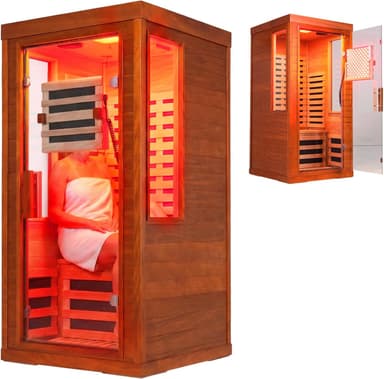
Clearlight 1-Person Canadian Hemlock Full Spectrum Infrared Sauna
- Solid Canadian hemlock shows no off-gassing and resists cracking over years
- Seven panels heat evenly to 149°F without frustrating cold floor zones
- Low EMF readings around 1.4-2.6mG offer genuine peace of mind
For users specifically interested in the red light and photobiomodulation synergy that Hamblin's research supports, the Dynamic Saunas Elite series with integrated red light therapy adds meaningful near-IR and 660nm red light output to standard far-infrared delivery, at a more accessible price point.
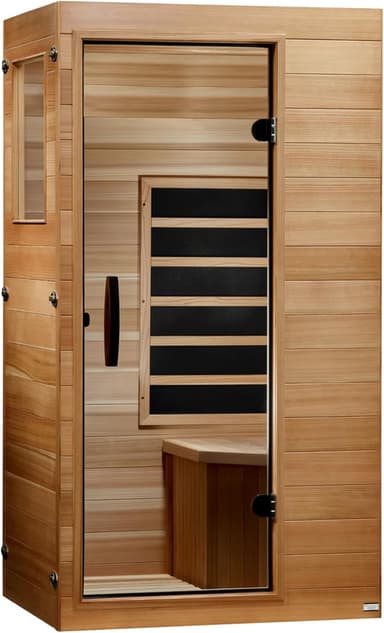
Dynamic Saunas Elite 1-Person Far Infrared Sauna with Red Light Therapy
- Clasp-together cedar assembly genuinely takes under an hour
- Ultra-low EMF panels provide safe, even far-infrared heat distribution
- Red light therapy inclusion adds real recovery value beyond basic infrared
If budget is the primary constraint and you want functional far-infrared exposure without the full-spectrum premium, the standard Dynamic Saunas Elite without red light integration delivers solid far-IR performance for the core recovery and cardiovascular applications.
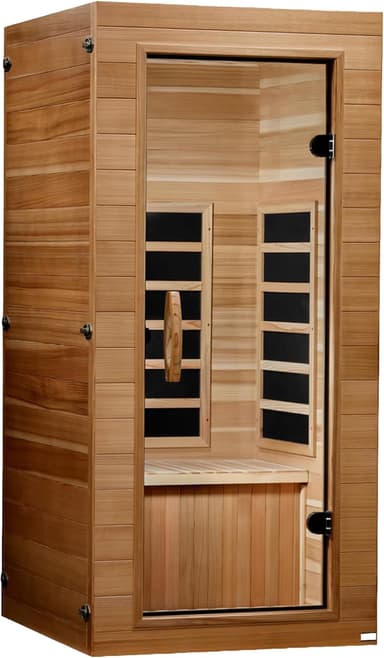
Dynamic Saunas Elite 1-Person Far Infrared Sauna
- Clasp-together assembly genuinely takes under an hour for most people
- Ultra-low EMF panels provide even, safe far-infrared heat distribution
- Red light therapy integration adds real wellness value beyond basic heat
Installation and Practical Specifications
For home installation, the electrical requirements split clearly by unit size. Single-person portable models run on standard 120V, 15-20A circuits - these include most HigherDose units and the 1-person Dynamic models - consuming approximately 1.2-1.5 kW per session. Full cabin units from Clearlight and Sunlighten require dedicated 240V, 30A circuits, running 4.5-6 kW. At the US EIA's 2025 average residential rate of $0.163/kWh, a 30-minute session in a full cabin costs $0.37-$0.49 - under $0.50 per session. Over a year of 3-session weekly use, that's roughly $58-$76 in electricity, which is trivial relative to the cost of gym sauna access or spa visits.
Outdoor installation requires a concrete foundation of 4-6 inches (below local frost line), a gravel drainage trench with 1% slope for sweat and condensate, and 6-12 inches of clearance from exterior walls. Cedar and thermowood exteriors handle outdoor thermal cycling best - western red cedar tolerates continuous exposure to 200°F+ and resists rot for 50+ years, while thermowood pine (heat-treated at 190°C during manufacturing) shows only 0.2% moisture swell versus 5% for untreated wood.
Maintenance costs run $100-$300 per year for most owners - primarily annual wood oiling to prevent cedar splintering ($150-200 for quality tung oil products) and occasional heater inspection. The 15% of owners on sauna forums who report high maintenance burden are generally running budget units with untreated hemlock that warps 5-10% in year one, or models with electronics vulnerable to steam ingress.
Common Misconceptions - Where the Evidence Stops Supporting the Claims
Several recurring claims in the infrared sauna benefits space are either unsupported, partially supported, or actively contradicted by the evidence. Addressing them directly is more useful than leaving you to encounter them piecemeal in marketing materials.
"Infrared detox is superior to traditional sauna." This claim is based on the penetration depth argument - that infrared's tissue-level heat mobilizes toxins more effectively than surface heating. The Genuis 2012 sweat analysis is real, but it compared sauna sweat to blood and urine, not infrared sweat to traditional sauna sweat. No head-to-head comparison of sweat toxin concentrations between infrared and traditional sauna exists in the literature. The detox advantage of infrared over traditional is an industry narrative without supporting data.
"All infrared saunas are equivalent." They are not, and the difference is clinically relevant. Near-IR, mid-IR, and far-IR produce different biological effects at different tissue depths. A budget single-band carbon panel sauna emitting only far-IR will not produce the photobiomodulation effects documented in Hamblin's near-IR research. A full-spectrum unit costs 2-3x more, but that premium reflects genuine spectral differences, not just marketing positioning. Verifying a manufacturer's spectral output data before purchase matters.
"Infrared sauna is safer than traditional sauna." The lower ambient temperature makes the experience milder and more tolerable, particularly for people with heat sensitivity or mild cardiovascular limitations. It does not eliminate the fundamental physiological stresses of heat exposure. Dehydration risk is equivalent - you lose 0.5-1 liter of fluid per session in either format. The cardiovascular demands are meaningfully lower, which is a genuine safety advantage for some populations, but the contraindications (unstable angina, severe hypertension, pregnancy, recent MI) apply to both.
"Infrared sauna cures chronic disease." This is the claim I push back on hardest. The Waon therapy data shows meaningful benefit as an adjunct therapy in heart failure patients - within a structured medical protocol, under clinical supervision. The rheumatoid arthritis pain reduction data from Oosterveld 2009 is compelling. But these are adjuvant benefits alongside, not instead of, conventional medical management. No peer-reviewed study supports using infrared sauna as a replacement for medication, exercise, or established medical treatment for any condition.
"Can infrared saunas cause cancer?" This question appears frequently in search data and deserves a direct answer. There is no evidence that infrared sauna use causes cancer. Infrared radiation is non-ionizing - it does not have sufficient energy to damage DNA or induce mutagenic changes. It is categorically different from ultraviolet radiation (which does cause skin cancer) or ionizing radiation (X-rays, gamma rays). The EMF exposure from sauna heaters, while worth minimizing in quality units, is also well below established safety thresholds at the levels produced by reputable manufacturers. The cancer concern is not supported by any credible mechanism or epidemiological evidence.
"Near-IR is dangerous because it penetrates deeper." Near-infrared at the intensities produced by sauna panels is not harmful to healthy adults. The eye is the only organ with meaningful vulnerability to near-IR exposure, and direct, sustained staring at near-IR panels is inadvisable - but normal sauna use doesn't involve this. Professional photobiomodulation panels have been used in thousands of clinical studies without documented harm to skin or tissue at therapeutic intensities.
Contrast Therapy, Red Light Integration, and Emerging Protocols
The most exciting research direction in the infrared sauna space right now involves combination protocols - particularly heat-cold contrast and photobiomodulation integration - that appear to produce effects beyond what either modality delivers alone.
The Soberg et al. 2021 Nature Metabolism paper on contrast therapy is the most rigorous study in this area. Eleven days of alternating sauna and cold water immersion (57°C sauna followed by 11°C water immersion for 3 minutes, repeated) produced a 37% increase in brown adipose tissue activity and an 8% elevation in resting metabolic rate. Norepinephrine increased approximately 300%. These are substantial metabolic effects from a passive protocol - the mechanism involves the opposing thermoregulatory demands activating sympathetic nervous system responses and BAT thermogenesis more intensely than either heat or cold alone.
Practical contrast protocols based on this research: 20 minutes at 130-140°F infrared, followed immediately by 3 minutes in cold water at or below 60°F (15°C) - a cold plunge, cold shower, or outdoor winter exposure. Three cycles produces greater adaptation than a single cycle. The cold exposure should follow the heat, not precede it - the physiological sequence matters.
The photobiomodulation integration angle, supported by Hamblin 2017's cytochrome c oxidase research, suggests that the near-IR and red light frequencies (600-1000nm) work through a fundamentally different cellular pathway than thermal far-IR - one that increases mitochondrial ATP production and reduces inflammatory cytokines through direct photon interaction with respiratory chain proteins rather than through heat-mediated mechanisms. Hybrid saunas that deliver both pathways simultaneously - like the Sunlighten mPulse or HigherDose Full Spectrum - aren't just marketing combinations. They're targeting genuinely distinct biological mechanisms in the same session.
The honest caveat on all combination therapy data: most of it comes from short-term studies with small samples. The Soberg cold-heat contrast work used 11 participants over 11 days. Hamblin's photobiomodulation work is mechanistically solid but largely from cell culture and small clinical studies rather than long-term human trials. These are plausible and promising protocols, not established standards. The research is directionally compelling enough that I include contrast therapy as a recommended addition to infrared sauna use for users without contraindications - but with appropriate uncertainty about the magnitude of long-term benefit.
Key Takeaways
- ●
The mortality data is real, but comes with a caveat. The Laukkanen 2015 study followed 2,315 Finnish men for 20 years and found 4-7 sauna sessions per week associated with a 40% reduction in all-cause mortality and 50% lower fatal cardiovascular risk. That study used traditional Finnish saunas at 170-200°F - not infrared. The physiological mechanisms overlap, but direct infrared cohort data at this scale does not exist yet.
- ●
Infrared saunas produce measurable cardiovascular benefits at lower temperatures. The Tei 2009 Waon therapy trials ran at 60°C (140°F) - well within infrared range - and showed cardiac output improvements of 15%, BNP reductions of 30%, and 80% four-year event-free survival in heart failure patients versus 50% in controls. This is the strongest direct infrared cardiovascular evidence available.
- ●
Pain and recovery benefits are the most consistently reproduced findings. Hussain and Cohen's 2018 systematic review of 40 studies found DOMS reductions of 20-30% and flexibility gains of 10-15%. The 2009 Oosterveld rheumatoid arthritis trial reported pain, stiffness, and fatigue reductions of 77% after four weeks of far-infrared sessions. These numbers are striking enough to take seriously even in small samples.
- ●
Heat shock protein upregulation is the most underappreciated mechanism. HSP70 rises 2-5x within a single 30-minute session and peaks at 48 hours post-exposure. This cellular stress response explains much of the anti-inflammatory, recovery, and longevity-adjacent signaling that sauna research keeps finding downstream.
- ●
Detox claims are plausible but oversold. Sweat does concentrate lead at 15x urine levels and BPA at 16x urine levels per the Genuis 2012 BUS study. Plasma clearance from sauna alone, without dietary change, remains in the 5-10% range. Sweating is a real excretion pathway - it is not a detox shortcut.
- ●
Sessions cost less than most people assume. A 30-minute infrared session runs $0.15-0.50 in electricity at current US average rates of $0.163/kWh. The barrier is purchase price and space, not operating cost.
- ●
Frequency matters more than duration. The dose-response data consistently shows 4-7 sessions per week outperforming 2-3, which outperforms occasional use. A 20-minute session four times per week delivers more cumulative benefit than a 45-minute session once a week.
Who This Is For, Who Should Skip It
Who Gets the Most From Infrared Sauna Use
People with musculoskeletal conditions - rheumatoid arthritis, fibromyalgia, ankylosing spondylitis, chronic lower back pain - have the strongest symptom-relief evidence behind them. The Oosterveld 2009 trial and Hussain 2018 review both point here specifically.
Athletes using infrared sauna for post-training recovery have solid mechanistic support. The Beever 2025 Frontiers study showed creatine kinase reductions of 25% and neuromuscular performance gains of 12% in athletes doing 20-minute post-training sessions three times per week over four weeks. If you train hard and recover poorly, this is worth trialing.
Sedentary adults with elevated cardiovascular risk benefit from passive heat as a genuine exercise analog. Heart rate during infrared sessions runs 100-120 bpm - equivalent to moderate walking at 3-4 mph. Brunt et al. 2016 showed passive heat therapy reduces systolic blood pressure by 7 mmHg and improves flow-mediated dilation by 2-3% in sedentary subjects. That is meaningful for people who cannot currently tolerate vigorous exercise.
People who find traditional saunas too harsh (respiratory conditions, heat sensitivity, blood pressure instability at high temps) tolerate infrared sessions at 120-140°F substantially better than Finnish-style heat at 170-200°F.
Who Should Skip It or Consult a Doctor First
Anyone with active cardiovascular instability - recent heart attack, uncontrolled arrhythmia, severe aortic stenosis - needs physician clearance before any heat therapy, infrared included. The Waon therapy protocols that showed cardiac benefit were medically supervised at 60°C, not home sessions.
Pregnant women should avoid infrared saunas. Core temperature elevation above 102°F in the first trimester carries documented neural tube risk. This is not a precautionary edge case - it is a firm contraindication.
People on medications that impair sweating or thermoregulation (anticholinergics, certain antipsychotics, diuretics) face elevated hyperthermia risk. The impaired cooling response is the danger, not the heat itself.
What to Read Next
If this review moved you toward actually buying a unit, my best one-person infrared saunas guide covers the specific models I've tested, with temperature accuracy measurements, EMF readings, and honest notes on which brands cut corners on wood quality and panel output.
For broader wellness protocols - contrast therapy, red light timing, heat-cold sequencing - the full guides index is where I keep all our protocol-level close looks updated as new research publishes.
The cardiovascular section of this article only scratches the surface of the Laukkanen cohort work. If blood pressure and cardiac risk are your primary interest, the sauna frequency and cardiovascular risk guide in our guides library goes deeper on dose-response and how to structure sessions for BP management specifically.
Frequently Asked Questions
How long does it take to see benefits from infrared sauna use?
Recovery benefits - reduced muscle soreness, improved flexibility - appear within the first one to two weeks of consistent use. The Hussain 2018 review and Beever 2025 study both used protocols of three to four weeks before measuring outcomes, and showed significant changes by that point. Cardiovascular benefits like blood pressure reduction take longer to establish: the Brunt 2016 passive heat study ran eight weeks before measuring the 7 mmHg systolic reduction. For mortality and long-term disease risk reduction, the Laukkanen data reflects years of consistent use. Think of it the same way you think about exercise - acute benefits come quickly, structural adaptations take months to years.
Is infrared sauna safe for people with heart conditions?
The Tei Waon therapy trials are directly relevant here. Far-infrared sessions at 60°C (140°F) in 860 congestive heart failure patients showed improved outcomes over four years. That said, those were medically supervised hospital protocols, not home use. Stable heart disease with physician clearance is a different category than recent cardiac events, uncontrolled arrhythmia, or severe valvular disease. If you have any diagnosed heart condition, get explicit clearance from your cardiologist before starting. The lower cardiovascular strain of infrared versus traditional sauna (100-120 bpm versus 140+ bpm) makes it a more accessible option for cardiac patients, but "more accessible" does not mean "unrestricted."
Does infrared sauna actually detox your body?
Sweat is a genuine excretion pathway. The Genuis 2012 BUS study found lead concentrations in sweat at 15 times urine levels and BPA at 16 times urine levels. Mercury and cadmium also concentrate meaningfully in sweat. What the research does not support is the idea that sauna sessions produce dramatic systemic clearance on their own - plasma levels of these substances drop only 5-10% without corresponding dietary changes that reduce ongoing exposure. Sauna sweating is a legitimate supplement to the body's primary detoxification systems, not a replacement for them. The mechanism is real. The marketing is exaggerated.
What temperature should I use for an infrared sauna?
Most effective protocols in the literature run between 120-140°F (49-60°C). The Tei Waon therapy studies used 60°C (140°F). Beginner sessions starting at 110-120°F for 15 minutes and building to 30 minutes at 130-140°F is a reasonable progression. Higher is not always better - the infrared penetration depth of 1.5 inches (3.8 cm) into tissue is relatively consistent across this temperature range, and the heat shock protein response initiates at moderate core temperature elevation, not extreme ambient heat. If you find sessions uncomfortable above 130°F, staying at 120-125°F consistently is more useful than pushing to 140°F occasionally.
How does infrared sauna compare to traditional sauna for health benefits?
Traditional Finnish sauna has the larger and longer-running evidence base, anchored by the Laukkanen 2015 cohort of 2,315 men across 20 years. Infrared sauna's advantage is accessibility - lower ambient temperatures (120-140°F versus 170-200°F), lower cardiovascular strain, no steam or humidity management, and easier home installation. The physiological mechanisms - HSP upregulation, vasodilation, heart rate elevation, blood pressure reduction - operate in both modalities. The Brunt 2016 and Tei 2009 data show that meaningful cardiovascular and recovery benefits appear at infrared temperature ranges. For healthy users who can tolerate traditional sauna, the Finnish evidence base is stronger. For users with heat sensitivity, respiratory conditions, or cardiovascular limitations, infrared is the practical choice with its own supporting research.
How many times per week should I use an infrared sauna?
The Laukkanen mortality data shows a clear dose-response: 4-7 sessions per week produced 40% all-cause mortality reduction versus approximately 25% for 2-3 sessions per week versus minimal benefit for occasional use. For recovery applications, the Beever 2025 study used three sessions per week post-training. For cardiovascular benefits, the Brunt 2016 passive heat protocol ran sessions most days of an eight-week period. The practical target for most people is four sessions per week, 20-30 minutes each. Three sessions per week is a reasonable starting point. One session per week is wellness theater - the cumulative dose is too low to drive adaptation.
Can infrared sauna help with mental health and sleep?
The direct mental health evidence is thinner than the cardiovascular and recovery data, but it points in a consistent direction. A 2018 Psychosomatic Medicine study found sauna use associated with 25% reductions in anxiety and depression symptoms, with mechanisms including endorphin release and cortisol reduction of 15-20%. The sleep connection runs through core temperature regulation - the rapid cooling after a session signals sleep onset through the same thermoregulatory mechanism that makes a cool bedroom conducive to sleep. Evening sessions 90 minutes before bed tend to improve sleep onset latency. The mental health data is associational and the samples are smaller than the cardiovascular literature, but the direction of effect is consistent enough that sleep and mood improvements are a legitimate expected benefit of regular use, not just a secondary marketing claim.
Frequently Asked Questions
The best-established benefits of infrared saunas include improved circulation and heart health, muscle and joint pain relief, and stress reduction, as they penetrate deeply to boost blood flow and mimic moderate exercise effects. Studies, such as those referenced by Dr. Young at Cleveland Clinic, also support faster post-workout recovery and potential immune boosts, though detoxification claims lack strong evidence. While promising for chronic conditions like arthritis (per small trials), more large-scale research is needed compared to traditional saunas.
Backed by Peer-Reviewed Research
Health claims on this page are verified against peer-reviewed studies by our health editor, Dr. Maya Chen.
- Association Between Sauna Bathing and Fatal Cardiovascular and All-Cause Mortality Events
Laukkanen T, Khan H, Zaccardi F, Laukkanen JA (2015)
20-year study found frequent sauna use (4-7 times/week) was associated with 40% lower all-cause mortality.
- Cardiovascular and Other Health Benefits of Sauna Bathing
Laukkanen JA, Laukkanen T, Kunutsor SK (2018)
Regular sauna bathing reduces risk of cardiovascular disease, hypertension, and neurocognitive diseases.
- Clinical Effects of Regular Dry Sauna Bathing
Hussain J, Cohen M (2018)
Evidence supporting sauna bathing for pain conditions, chronic fatigue, and cardiovascular improvements.
Related Guides
Affiliate Disclosure - UseSauna earns a commission from qualifying purchases through our Amazon affiliate links. This does not affect our editorial integrity.