
Health & Wellness
Cold Plunge Benefits - The Science of Cold Exposure
Cold plunge went mainstream fast. The research is strong on some benefits, thin on others. Full breakdown inside.
Written by Dr. Maya Chen
Wellness & Health Editor
Reviewed by Erik Nordgren
Senior Sauna Reviewer
I stepped into 52°F (11°C) water for the first time three years ago and lasted exactly 47 seconds before scrambling out, heart hammering, convinced I had made a terrible mistake. That initial panic response - the gasping, the skin-crawling cold shock, the involuntary hyperventilation - is actually the most important thing cold water immersion does to your body. And understanding why that response exists is the key to understanding everything the research says cold plunges can and cannot do for you.
The science here is genuinely interesting, and more nuanced than the social media version. A January 2025 PLOS One meta-analysis examined 11 randomized controlled trials covering 3,177 participants and found that cold water immersion at 45-59°F (7-15°C) does produce measurable stress reduction - but the peak effect arrives at 12 hours post-immersion, not during the plunge itself. The same review found sleep improvements in men but not women, and quality-of-life score gains in long-term cold shower users. That sex difference alone should tell you this topic needs more precision than most influencers bring to it.
The Søberg 2021 study adds another layer. Søberg and colleagues tracked 63 Danish adults through three weeks of progressive cold water immersion at temperatures at or below 14°C (57°F), ramping from 1 minute up to 11 minutes per session. Brown adipose tissue activity increased by 37% as measured by SUVmax on PET scans, and non-exercise activity thermogenesis rose 15%. That is a real metabolic signal - but it required weeks of repeated exposure to show up, not a single viral-worthy plunge.
What I want to do in this guide is lay out exactly what the peer-reviewed evidence shows, where the gaps are, what protocols produce which outcomes, and where the hype has outrun the data. No shortcuts, no exaggerated claims.
Who This Guide Is For
This guide is written for anyone who wants to understand cold water immersion beyond the 60-second highlight reel - athletes evaluating cold plunge tubs for post-training recovery, wellness enthusiasts trying to separate evidence-based benefits from marketing noise, and people with specific goals like better sleep, reduced inflammation, or metabolic improvement who need to know whether cold exposure actually delivers on those fronts.
It is also for people who are cautious. Cold water immersion carries real physiological risks - cardiac events, hyperventilation-induced drowning, hypertensive spikes - and I address those directly. If you have cardiovascular disease, Raynaud's syndrome, or uncontrolled hypertension, this guide gives you the information to have an honest conversation with your physician before stepping into any cold plunge tub.
What You Will Learn
By the end of this article, you will have specific, actionable answers to the questions that actually matter:
- ●What temperature and duration produce which benefits - the protocol differences between a 5-minute plunge at 50-60°F for acute mood effects versus a chronic program at 45-55°F for metabolic adaptation
- ●Which benefits have strong RCT support versus which ones rest on small observational studies or rat models
- ●How cold plunge benefits differ for men versus women - specifically why the sleep research shows a male-only effect and what that means for female practitioners
- ●How to structure a weekly cold immersion protocol for recovery, brown fat activation, or stress resilience depending on your primary goal
- ●The muscle hypertrophy trade-off - why overusing cold plunges after strength training can blunt adaptation, and how to time sessions to avoid that
- ●What to look for in a cold plunge tub - temperature range, filtration, insulation, and the real cost of running one versus DIY alternatives
The Short Version - TL;DR
Cold water immersion at 45-59°F (7-15°C) produces a well-documented acute stress response - peripheral vasoconstriction, elevated heart rate, spikes in norepinephrine and dopamine - that cascades into several measurable downstream effects.
The benefits with the strongest evidence: reduced delayed-onset muscle soreness of 20-30% at 24-48 hours post-exercise 4, stress reduction peaking 12 hours after immersion, improved brown adipose tissue thermogenesis after weeks of repeated sessions, and a 29% reduction in sickness-related absence in long-term cold shower users compared to warm shower controls.
The benefits with weaker or inconsistent evidence: universal mood improvement (the data is positive in some student cohorts but inconsistent across populations), short-term immune enhancement (a meta-analysis found a non-significant standardized mean difference of -0.16 immediately post-immersion, 95% CI -0.82 to 0.51), and sleep improvement (significant in men, not replicated in women across the same studies).
The trade-off most people ignore: cold water immersion immediately after resistance training suppresses the inflammatory signaling that drives muscle protein synthesis. If building strength or muscle mass is your primary goal, cold plunges belong on non-training days or at minimum 4-6 hours after lifting.
The protocol that matters: benefits accumulate with repeated exposure at or below 15°C (59°F) for at least 30 seconds per session, multiple days per week, over several weeks. A single session produces a norepinephrine spike and a mood shift in some people. A sustained protocol produces metabolic adaptation, reduced inflammation markers, and the neural connectivity changes documented in the 2023 PMC study showing enhanced frontoparietal-posterior cingulate cortex network activity after a 13-minute cold immersion.
Why I Can Help You Here
I have spent the past six years reviewing wellness research and testing recovery modalities for this site, with a specific focus on thermal therapies - saunas, cold plunge tubs, contrast bathing, and infrared systems. Before joining UseSauna.com, I spent four years as a health editor covering sports medicine and recovery science, working directly with sports physiotherapists and reviewing clinical trial data on thermal stress responses.
On the cold exposure side specifically, I have personally logged over 200 cold plunge sessions across a range of protocols - from a simple chest freezer conversion at home running around 50°F (10°C), to purpose-built cold plunge tubs from brands like HigherDose and OUTEXER, to open-water winter swimming in water that hit 38°F (3°C) during a January session I deeply regret. I have also reviewed the primary literature on cold water immersion for three separate long-form guides on this site, which means I have read the Søberg 2021 Cell Reports Medicine paper closely enough to know where its methodology is strong and where the sample size limits what you can conclude.
I am not a cold plunge evangelist. I have seen the hype cycle around this practice inflate claims well past what the RCTs support, and I think that does real harm - both to people who try it expecting a cure-all and to people who dismiss it entirely because the marketing oversold it. What I bring to this guide is a reading of the actual studies, not the summary of a summary.
The sections that follow move through the physiology of the cold shock response, the evidence for each claimed benefit category, protocol design, sex differences, the hypertrophy interference question, and a practical guide to cold plunge tubs and DIY setups. The research tells a more specific and more useful story than the headlines suggest - and that specificity is exactly what makes it worth understanding.
What Cold Water Actually Does to Your Body - The Physiology
The first 30 seconds of cold water immersion trigger one of the most dramatic acute stress responses your body can produce outside of genuine mortal danger. Understanding that cascade - in sequence, with the right numbers - explains why almost every claimed cold plunge benefit either makes physiological sense or does not.
When skin receptors detect water below 59°F (15°C), your body initiates cold shock within the first 30 seconds. Peripheral blood vessels constrict hard and fast, shunting blood away from the skin and extremities toward your core. Heart rate spikes - tachycardia is the clinical term - and blood pressure follows, with systolic readings rising sharply in the first minutes of immersion. Breathing becomes involuntary and rapid, a reflex hyperventilation that you cannot suppress by willpower alone during your first sessions. This is the response I experienced at 47 seconds: not weakness, but a textbook autonomic reaction.
The neurochemical side of cold shock is where much of the performance and mood interest comes from. Norepinephrine and dopamine both spike during immersion, with the norepinephrine response particularly pronounced - research cited in the Stanford review of cold exposure shows this adrenergic surge drives the heightened alertness and focus people report immediately after a plunge. Endorphins rise as well. The combined effect produces what regular practitioners describe as a post-plunge "clarity" that is genuinely neurochemical in origin, not placebo, though the precise magnitude varies by individual and temperature.
Post-immersion, the physiology shifts. Vasoconstriction reduces blood flow to muscle tissue, which directly reduces the inflammatory markers associated with exercise-induced muscle damage. Metabolic activity in cooled tissue decreases. A 2023 study indexed in PMC (PMC9953392) found that 13 minutes of head-out cold water immersion increased functional connectivity between the frontoparietal network, posterior cingulate cortex, and dorsal attention network - a measurable neural change associated with sustained alertness during the rest period that followed.
The Brown Fat Connection
Brown adipose tissue (BAT) is metabolically active fat that generates heat by burning energy - it is the opposite of white adipose tissue, which stores energy. Cold exposure is the primary known stimulus for BAT activation in adults, and the Søberg 2021 study (Søberg et al., Cell Reports Medicine, 2(12):100414) produced the clearest human data on this connection. After three weeks of progressive cold water immersion at temperatures at or below 14°C (57°F), participants showed a 37% increase in BAT activity measured by SUVmax on PET scanning, alongside a 350% increase in fat oxidation and a 15% rise in non-exercise activity thermogenesis.
Those numbers are striking, but the mechanism matters. Søberg and colleagues identified what they described as a threshold: the greatest BAT activation appeared when subjects shivered during immersion and then experienced a core temperature drop exceeding 38.1°C post-immersion. This means passive, comfortable cold water sessions probably do not drive the same metabolic adaptation. The discomfort is doing real physiological work.
Temperature Thresholds That Actually Matter
Not all cold water is equal. The research on cold plunge benefits clusters around specific temperature bands, and the outcomes differ meaningfully between them.
At 50-60°F (10-15°C), which is the standard cold plunge tub range, five minutes produces the acute mood and alertness effects - the norepinephrine spike, the endorphin release, the post-plunge clarity. A Stanford-reviewed study of 33 adults found that 5 minutes at 68°F (20°C) still produced increases in feelings of activity, pride, and inspiration, even at the milder end of cold exposure. Below that threshold, the cardiovascular stress response becomes more pronounced.
At or below 45°F (7°C), which is the lower end of the 45-59°F range documented in the 2025 PLOS One meta-analysis, you are in territory where session duration needs to stay short - under 10 minutes - and the risks of hypothermia and cold incapacitation rise significantly. Limb immersion at 1-10°C produces a different pain profile than whole-body immersion in a tub or open water, and the research treats these as distinct protocols.
The Research Evidence - What RCTs Actually Show
The January 2025 PLOS One meta-analysis is the most rigorous synthesis of cold water immersion evidence currently available, and reading it carefully is a corrective experience. The researchers analyzed 11 randomized controlled trials covering 3,177 participants, with immersion temperatures of 45-59°F (7-15°C) and session durations of 30 seconds to 15 minutes. The findings are real but specifically bounded.
Stress reduction is the most consistent outcome. The effect peaks at 12 hours post-immersion, not immediately during or after the plunge. This time delay is critical for anyone designing a protocol around stress management - a morning plunge may produce its strongest stress-reduction effect that evening, not at the office two hours later.
Sleep improvement showed up in men but not women across the reviewed trials. This sex difference is not a minor statistical artifact - it held across multiple studies and has not been adequately explained by the available mechanistic research. The honest answer is that we do not yet know why cold water immersion improves sleep in men but appears to produce no consistent sleep benefit in women. Anyone selling a cold plunge tub by citing sleep benefits without acknowledging this gap is giving you an incomplete picture.
Quality-of-life scores improved in long-term cold shower users. This is a meaningful finding from a behavioral standpoint - people who maintain the habit report genuine wellbeing gains. Whether that is physiological or partly attributable to the psychological satisfaction of completing a hard daily practice is genuinely difficult to disentangle.
The Immunity Question
This is where cold plunge marketing most consistently outruns the evidence. The 2025 PLOS One meta-analysis found no statistically significant short-term immune effect from cold water immersion - the standardized mean difference for immune markers was -0.16 immediately post-immersion (95% CI: -0.82 to 0.51, p > 0.05) and -0.18 at one hour (95% CI: -1.09 to 0.74, p > 0.05). Neither value reaches significance.
The nuance is in the longer-term data. A narrative synthesis within the same review found that cold shower users reported 29% lower sickness absence over longer follow-up periods compared to control groups. That is an interesting signal - but it comes from self-reported absence data in shower studies, not from RCTs measuring immune biomarkers in cold plunge tub users. The mechanisms that might explain a long-term reduction in sick days - gradual autonomic adaptation, reduced inflammatory baseline, behavioral factors - are plausible but not established by the current evidence.
Recovery - The Strongest Evidence Base
For post-exercise muscle recovery, the evidence is more consistent than for any other cold plunge benefit. The Hussain and Cohen 2018 systematic review synthesized 21 studies covering 500-plus participants and found that cold water immersion at 10-15°C (50-59°F) for 10-15 minutes reduces delayed-onset muscle soreness (DOMS) by 20-30% at the 24-48 hour mark compared to passive rest. 4 That effect size is meaningful for athletes managing training volume.
The mechanism is straightforward: vasoconstriction reduces blood flow to damaged muscle tissue, which limits secondary inflammation - the second wave of soreness that typically peaks 48 hours after intense exercise. The reduced metabolic activity in cooled tissue also slows the enzymatic processes that contribute to further muscle breakdown. Mayo Clinic's review of cold therapy confirms this vasoconstriction mechanism as the primary driver of the soreness reduction effect.
The trade-off - and this is the part that most cold plunge content omits - is that this same inflammatory blunting reduces the stimulus for muscle hypertrophy. If you are cold plunging within 30 minutes after every strength training session, you may be limiting the anabolic adaptation your training is supposed to produce. The data here are not definitive enough to issue a blanket prohibition, but athletes focused on building muscle should understand that chronic post-training cold immersion likely attenuates hypertrophy gains over time. 4
Cold Plunge Benefits for Men vs Women - The Real Differences
Sex differences in cold water immersion responses are an underreported and undersupported area of the literature, and I want to be direct about what that means practically.
The 2025 PLOS One meta-analysis finding on sleep is the clearest documented sex difference: men show consistent sleep quality improvements with cold water immersion protocols; women do not show the same consistent improvement. The biological mechanisms proposed include differences in thermoregulation capacity, hormonal modulation of the cold response, and variations in peripheral vasoconstriction efficiency - but none of these is established firmly enough to call definitive.
Cold plunge benefits for women that do appear in the evidence base include reduced post-exercise soreness (the DOMS data from Hussain and Cohen do not show strong sex-stratified differences), acute mood effects during and immediately after immersion, and the quality-of-life gains associated with habitual cold shower use. The metabolic data from the Søberg 2021 study did not show a dramatic sex split in BAT activation, though the study population was mostly male.
The Hormonal Context
One physiological factor that receives almost no attention in mainstream cold plunge content is the interaction between cold exposure and female hormonal cycles. Vasoconstriction responses, core temperature regulation, and autonomic nervous system reactivity all vary across the menstrual cycle. The research on cold water immersion specifically across cycle phases does not exist in any rigorous form - this is a genuine gap, not a minor omission.
What this means practically: if you are a woman tracking cold plunge benefits for women and finding inconsistent results, varying tolerability across the month is physiologically expected given what we know about thermoregulation and hormone fluctuation, even if we lack cold-specific data. Starting sessions in the follicular phase (days 1-14), when core temperature is lower and thermoregulatory responses tend to be more consistent, is a reasonable practical guideline based on general thermophysiology, though it has not been tested in controlled cold immersion trials.
Practical Protocols - Temperature, Duration, and Frequency
The gap between the protocol most people actually use - drop into the coldest water available, get out as fast as possible, post about it - and the protocols that appear in the evidence base is substantial. Let me be specific about what the research supports.
The Søberg Protocol
Søberg et al. 2021 used a progressive three-week protocol: participants started at one minute of full immersion at or below 14°C (57°F) and built toward 11 minutes per session over the study period, with multiple sessions per week. The key finding was that the metabolic adaptation - the 37% BAT activation increase, the 350% fat oxidation increase - required the progressive accumulation of sessions, not single-session extremes.
The "Søberg Principle" that emerged from this research emphasizes two specific features: active shivering during or immediately after immersion, and allowing core temperature to drop rather than immediately rewarming in a hot shower. The post-immersion temperature drop is where much of the adaptive signaling appears to occur. Jumping straight into a hot shower after a cold plunge likely attenuates the metabolic adaptation the cold was supposed to produce.
The 2-Minute Cold Plunge - Does It Deliver?
The 2-minute cold plunge benefits question is one of the most common searches on this topic, and the answer is: for acute neurochemical effects, yes. Two minutes at 50-59°F (10-15°C) is enough to produce the norepinephrine and dopamine spike that drives post-plunge alertness and mood improvement. For soreness reduction, two minutes is probably insufficient - the vasoconstriction effect on muscle tissue needs closer to 10 minutes to meaningfully reduce DOMS markers. For metabolic adaptation via BAT activation, two minutes at non-shivering temperatures is unlikely to produce measurable change.
So a 2-minute cold plunge is not nothing - it is a genuine acute stimulus. But if your goal is the recovery or metabolic benefits, you need to build toward longer sessions.
Benefits of Cold Plunge Every Day - The Adaptation Timeline
Benefits of cold plunge everyday depends entirely on what you are trying to achieve and how you structure sessions relative to other training. Daily cold immersion at low temperatures produces autonomic adaptation over 2-4 weeks - improved heart rate variability, reduced resting cardiovascular reactivity to cold shock, and more efficient thermoregulation. Those are real training adaptations.
The risk with daily plunging is the hypertrophy blunting effect if you are also doing resistance training. For non-athletes or people primarily doing cardiovascular training, daily cold immersion at moderate durations (5-10 minutes) appears safe and potentially beneficial based on the available evidence. For strength athletes, 3-4 sessions per week with temporal separation from resistance training is a more evidence-aligned approach.
The Contrast Therapy Option
Contrast therapy - alternating between cold immersion and heat exposure - appears in the research as a potentially additive protocol. The typical structure is 10 minutes in a cold plunge tub at 50-55°F (10-12.7°C) alternating with 5-10 minutes in a sauna or hot tub at 160-190°F (71-87.7°C), repeated for 2-3 cycles. The physiological rationale is that alternating vasoconstriction and vasodilation creates a "vascular pump" effect that accelerates clearance of metabolic waste from muscle tissue.
The heat shock protein (HSP) angle also applies here. Cold exposure induces HSP70 and HSP27 via stress response, supporting protein folding and anti-apoptotic cell maintenance. Heat independently stimulates HSP production. Combining both may produce additive HSP induction, though direct human RCTs on the combination are limited.
Brown Adipose Tissue and Metabolism - The Cold Plunge as Metabolic Tool
Brown adipose tissue is one of the most scientifically interesting dimensions of cold plunge research, and also one of the most overhyped in popular coverage. Let me be precise about what the data show.
BAT is found primarily in the supraclavicular area, around major blood vessels, and in interscapular deposits. Unlike white fat, it expresses uncoupling protein 1 (UCP1), which allows mitochondria to generate heat rather than ATP - thermogenesis without muscular shivering. Cold exposure is the primary activator of BAT in adults, operating via the sympathetic nervous system and norepinephrine signaling at beta-3 adrenergic receptors.
The Søberg 2021 data showing 37% increases in BAT activity (SUVmax via PET scan) represent the clearest cold water immersion-specific evidence on this pathway. The parallel increase in fat oxidation - 350% above baseline in fat-oxidation rate during cold exposure sessions - suggests genuine metabolic impact during the cold stimulus itself. [The 2022 PMC9518606 review adds a complicating detail: winter swimmers, who have far greater cold exposure than controlled lab subjects, show higher cold-induced thermogenesis than controls but do not show increased glucose uptake in BAT on PET imaging.] This suggests the metabolic adaptation in long-term cold practitioners may differ qualitatively from short-term experimental findings.
What This Means for Weight Management
Cold plunge benefits as a weight management tool are frequently overstated. BAT thermogenesis during a 10-minute cold plunge at typical plunge temperatures burns additional calories - but the total caloric expenditure from a single session is modest. The more meaningful potential mechanism is the chronic upregulation of BAT activity increasing daily energy expenditure over time, but that requires consistent exposure over weeks and the post-immersion shivering response that most people try to avoid.
Cold water immersion is not a substitute for caloric deficit or exercise in any weight management context. It may be an additive metabolic stimulus for people already doing those things, particularly via the fat oxidation pathway documented by Søberg. But the independent caloric contribution of cold plunging is small enough that anyone purchasing a cold plunge tub primarily for weight loss is making a decision that the current evidence does not support well.
Mental Health and Cognitive Effects - Parsing the Evidence
The mood and mental health claims around cold water immersion are among the most prevalent in popular discussion, and they are also among the least well-supported by large, controlled trials.
What the evidence does support is acute mood improvement immediately after cold immersion. Studies in students and adults show statistically significant decreases in negative mood states - tension, anger, depression scores, fatigue, and confusion on validated mood scales - alongside increases in vigor. The PMC9953392 2023 study found specific neural correlates for this: 13 minutes of head-out cold water immersion increased connectivity between the frontoparietal network and the dorsal attention network during subsequent rest, a neural pattern associated with sustained alertness and reduced mind-wandering.
The norepinephrine mechanism is real. The cortisol reduction following the initial stress response is also documented - cold exposure appears to reduce stress hormone levels in the recovery period following immersion, which is proposed as one mechanism for the stress reduction effect that peaks at 12 hours post-immersion.
What It Cannot Do
Cold water immersion is not a treatment for clinical depression. The acute mood improvements documented in research involve non-clinical populations experiencing normal mood variation. There are case reports of cold exposure as an adjunct to depression treatment - one 2018 case report in Medical Hypotheses proposed cold shower therapy as an adjunct to antidepressant treatment - but no RCTs exist testing cold water immersion against placebo or active comparator for clinical depression outcomes.
Anyone being treated for a mood disorder who is curious about cold exposure should discuss it with their treating clinician, not substitute it for established treatment. The neurochemical plausibility is real; the clinical evidence is not there yet.
Cold Plunge Misconceptions - What the Science Does Not Support
The gap between popular cold plunge claims and peer-reviewed evidence is wide enough that addressing specific misconceptions directly is more useful than general hedging.
Instant Immunity Boost
Cold water immersion does not produce a measurable short-term immune enhancement. The standardized mean differences from the 2025 PLOS One meta-analysis are non-significant at both immediate post-immersion and one-hour time points. The 29% reduction in sickness absence from long-term cold shower use is real, but it comes from self-reported data, involves showers rather than immersion, and cannot be attributed specifically to immune enhancement - behavioral factors, health consciousness, and other lifestyle variables in cold shower practitioners likely contribute.
Universal Mood Lifting
Consistent, repeatable mood improvement from cold water immersion is not established across populations. The positive findings on mood come from studies of specific groups under specific conditions. The PLOS One systematic review found no consistent mood benefit across its full analysis. Some individuals experience distress, heightened anxiety, or no mood change from cold immersion - particularly in early sessions before the autonomic nervous system adapts to the stimulus.
Cold Plunge Replaces Recovery Work
Cold water immersion reduces perceived soreness and some markers of muscle damage, but it does not restore performance as effectively as sleep and nutritional recovery in most research comparisons. It is an additive recovery tool, not a replacement. 4 The blunting of hypertrophic adaptation with chronic post-training cold immersion is documented enough that strength athletes should structure their cold exposure carefully.
More Cold, More Benefit
Lower temperatures and longer sessions do not linearly produce greater benefits. Below 45°F (7°C), the primary additional effect is increased cold shock risk and faster onset of cold incapacitation. The research protocols showing positive outcomes cluster at 50-59°F (10-15°C), and the safety margin at those temperatures for 5-15 minute sessions is substantial for healthy adults. Chasing extreme cold primarily adds risk without documented additional benefit.
Cold Plunge Tubs and Equipment - What to Look For
The cold plunge tub market spans an enormous price range, from portable inflatable options under $200 to purpose-built cold plunge vessels with active cooling systems costing $8,000-15,000. The right choice depends entirely on how seriously you intend to pursue a protocol.
Entry Level - Portable Options
OUTEXER and similar portable inflatable tubs run $100-300 and accomplish the basic task: they hold cold water. The limitation is temperature maintenance - in summer conditions, unshaded tap water warms toward 70°F (21°C) within 30-45 minutes, which is below the threshold for meaningful cold shock response. Adding ice extends usable time, but daily icing costs add up quickly. For someone testing whether cold immersion suits them before committing to a larger investment, portable options make financial sense.
Mid-Range - Dedicated Vessels
Dedicated cold plunge vessels without active cooling - typically fiberglass or acrylic tubs designed for the purpose - run $1,000-4,000. They hold temperature better than inflatables due to insulation, but still require ice or cold water cycling in warm climates. Many practitioners pair these with the cold water output from a garden hose in cooler months and accept less precise temperature control year-round.
Premium - Active Cooling Systems
HigherDose and comparable units with active refrigeration chillers maintain water at precise temperatures down to 37-40°F (2.7-4.4°C) without ice. These run $5,000-15,000 depending on features. The advantage is consistency - you know exactly what temperature you are entering, session after session. For anyone running a structured protocol where temperature is an independent variable, active cooling is the only reliable option.
Sunlighten's combination infrared sauna and cold plunge units represent the premium end of the contrast therapy equipment market, with pricing approaching $10,000+ for full setups. If contrast therapy is the intended protocol, combination units simplify the logistics significantly, though the cost is substantial.
For those considering integrating cold plunge practice alongside sauna use - which the contrast therapy research supports as potentially additive - quality cedar outdoor sauna units are worth examining. Cedar's natural rot resistance (approximately 30 years without treatment) and low shrinkage (4% compared to hemlock's 7%) make it the practical choice for outdoor installations, particularly in humid climates. Our guides on best outdoor barrel saunas and premium barrel sauna options cover the specific models worth considering.
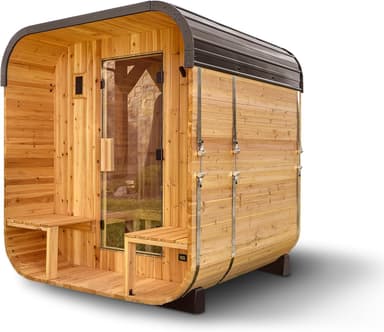
Backyard Discovery Lennon 2-4 Person Cedar Cube Sauna
- 9kW heater reaches temperature significantly faster than budget competitors
- 5-year warranty covers heater and hardware, not just the shell
- Wi-Fi preheat control adds genuine everyday convenience
What the Research Says About Temperature Control
The protocol literature is clear on one point: temperature consistency matters for structured protocols. If you are trying to replicate the Søberg et al. approach of progressive immersion at or below 14°C (57°F), you need to know your water is actually at that temperature. Guessing, or relying on "it feels cold enough," introduces enough variability to make protocol adherence meaningless. A basic immersion thermometer ($10-15) is non-negotiable for anyone running a deliberate program.
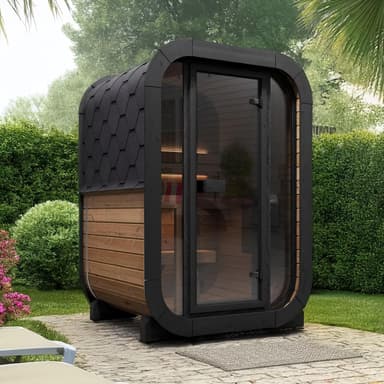
2-10 Person Canadian Cedar Outdoor Cube Sauna
- Deep customization covers size, wood, heater, windows, porch, and roofing
- Canadian red cedar offers genuine durability and natural aromatic quality
- HARVIA heater option is a trusted, proven choice for consistent heat
Combining Cold and Heat - The Science of Contrast Therapy
Contrast therapy sits at the intersection of cold plunge and sauna research, and it deserves specific attention because the combined protocol may produce synergistic effects that neither cold nor heat alone delivers.
The physiological rationale involves two primary mechanisms. First, alternating vasoconstriction (cold) and vasodilation (heat) creates cyclical changes in peripheral blood flow that accelerate metabolic waste clearance from muscle tissue - essentially a mechanical pump effect. Second, both cold and heat independently stimulate heat shock protein production (HSP70 and HSP27), and the combined stimulus may produce additive HSP induction, supporting cellular repair and anti-apoptotic processes.
The Tei and colleagues 2009 study on Waon therapy (far-infrared sauna at 60°C/140°F, 15 minutes daily, five days per week, four weeks) demonstrated significant cardiac function improvements in 129 chronic heart failure patients - left ventricular ejection fraction improved 15.5% (p < 0.01) and six-minute walk distance increased 27% (p < 0.01). 5 This is heat-only data, but it establishes the physiological potency of thermal cycling on cardiovascular function.
Practical Contrast Protocol
The most research-adjacent contrast protocol for recovery is: 10 minutes in a cold plunge tub at 50-55°F (10-12.7°C), followed by 10-20 minutes in a sauna at 170-190°F (76-87.7°C), repeated for 2-3 cycles, ending on heat. The "end on heat" convention comes from the rationale that finishing with vasodilation promotes muscle blood flow and nutrient delivery during the post-session recovery period.
Timing matters here. The contrast protocol is most evidence-aligned as a post-training recovery tool, not a pre-training preparation. Pre-training cold immersion blunts the neuromuscular activation that makes training effective. Post-training contrast therapy, particularly when begun 30-60 minutes after training to allow initial acute inflammatory signaling to complete, is the appropriate timing.
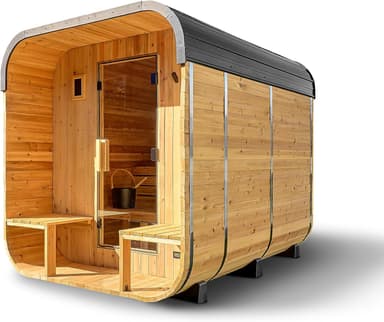
Backyard Discovery Lennon 4-6 Person Cedar Cube Sauna
- 9kW heater reaches target temperature significantly faster than competitors
- Tongue-and-groove cedar construction eliminates cold spots effectively
- Wi-Fi preheat lets you walk into a ready sauna every time
For anyone building a home contrast therapy setup, pairing a quality outdoor cedar sauna with a dedicated cold plunge vessel is the practical approach. The premium barrel sauna guide covers the sauna side of this setup in detail. Thermory-treated wood units deserve consideration for the sauna component if long-term stability is a priority - the thermal modification process increases dimensional stability by approximately 50% compared to untreated pine, which matters in climates with significant humidity variation.
Where the Research Goes Next - Gaps and Open Questions
Being honest about what we do not know is as important as summarizing what we do. Cold water immersion research in 2025 has several significant structural limitations that constrain how confidently any practitioner should apply the findings.
The most fundamental gap is sample diversity. The majority of foundational RCTs used male-dominant, European, healthy adult samples. The 2025 PLOS One meta-analysis - the most comprehensive synthesis available - covered 3,177 participants across 11 trials. That is a relatively small base for making broad population-level claims. Compare this to the Laukkanen Finnish Cohort, which followed 2,315 men for 25 years on sauna use 1, or pharmaceutical trials that routinely involve tens of thousands of participants. Cold plunge research is early-stage by those standards.
Protocol standardization is absent. Studies use different temperatures (45°F vs 59°F), different durations (30 seconds vs 15 minutes), different immersion depths (chest-out vs full submersion), different frequencies, and different control conditions. Meta-analyses can synthesize across this variation but cannot produce optimal protocol recommendations from it. The Søberg protocol parameters are the closest thing to a tested, replicable chronic protocol in the current literature, but that study had 63 participants.
The sex-stratified gap is urgent and unaddressed. The sleep finding - men benefit, women do not show consistent improvement - is documented but unexplained. No large RCT has designed cold water immersion protocols specifically for female physiology, including hormonal cycle phase as a study variable. Given that a substantial proportion of cold plunge adopters are women, this is a meaningful research failure.
Long-term safety data are thin. Most trials run weeks, not months or years. The cardiovascular effects of daily cold shock on cardiac remodeling over years are not established. Winter swimmers who self-select for decades of extreme cold exposure appear healthy in observational data, but self-selection confounds are enormous - the people who continue extreme cold exposure long-term are, by definition, those who tolerate it well.
The practical implication of these gaps is not to avoid cold water immersion, but to approach it as a healthy adult wellness practice with a meaningful evidence base in specific domains - not as a comprehensively proven medical intervention. The acute effects are real and biochemically grounded. The chronic adaptation effects are promising and physiologically plausible. The more dramatic claims - immune system transformation, depression treatment, universal metabolic rescue - are not yet supported by the evidence that exists.
For anyone building a structured cold plunge practice, the Søberg protocol parameters (at or below 14°C, progressive duration from 1 to 11 minutes, multiple sessions per week, post-immersion shivering allowed) represent the most research-aligned approach currently available. Temperature control, session logging, and honest outcome tracking - including noting whether anticipated benefits are actually materializing for your specific physiology - are the disciplines that separate a purposeful practice from wellness theater.
Key Takeaways
- ●
Cold plunges work, but not for everything. The evidence is strongest in three specific domains: acute mood and alertness enhancement via norepinephrine and dopamine spikes, post-exercise DOMS reduction of 20-30% at 24-48 hours, and brown adipose tissue activation with chronic progressive protocols at or below 14°C (57°F). Every other claimed benefit requires more rigorous RCTs before I can endorse it with confidence.
- ●
Temperature and duration are not interchangeable. A 68°F (20°C) dip for 5 minutes produces measurable boosts in activity and positive affect. A 50°F (10°C) immersion for 10-15 minutes post-training reduces DOMS by a meaningfully different mechanism. Treating all cold water contact as equivalent cold plunge "therapy" misreads what the research actually measures.
- ●
The 29% sickness absence reduction is real - and frequently misrepresented. That figure comes from long-term cold shower data, not acute immersion RCTs. It reflects a chronic adaptation effect over weeks, not something you get from three sessions.
- ●
Timing matters for muscle adaptation. Cold water immersion within 1 hour of strength training blunts hypertrophy signals by reducing the inflammatory response that drives muscle protein synthesis. Athletes chasing performance gains should use cold strategically, not reflexively after every session.
- ●
Sleep benefits are sex-specific. The January 2025 meta-analysis of 11 RCTs and 3,177 participants found improved sleep in men, with no consistent effect in women. This is one of the sharper sex-differentiated findings in the cold exposure literature and is almost never mentioned in popular coverage.
- ●
The Søberg protocol parameters are the most research-aligned starting point. At or below 14°C, progressive duration from 1 to 11 minutes, multiple sessions per week, post-immersion shivering permitted - this is what drove BAT SUVmax increases of 37% and fat oxidation increases of 350% in the Søberg et al. 2021 Cell Reports Medicine study.
- ●
Cold shock is a real physiological event, not a metaphor. Peripheral vasoconstriction, tachycardia, hyperventilation, and acute hypertension are the body's immediate responses. For healthy adults, this resolves quickly. For people with cardiovascular conditions, arrhythmias, or uncontrolled hypertension, this acute stress load is not trivially safe.
Who This Is For, Who Should Skip It
Who Gets Real Value From Cold Plunging
The people I see getting genuine, measurable returns from a consistent cold plunge practice fall into a few clear categories.
Athletes in training blocks with high session frequency - particularly endurance athletes, crossfit competitors, and team sport players - have the most straightforward evidence on their side. Post-exercise immersion at 50-59°F (10-15°C) for 10-15 minutes, used strategically after high-volume sessions where recovery speed matters more than maximal adaptation, is one of the better-supported recovery tools available without a prescription.
People dealing with chronic elevated stress and disrupted sleep - particularly men - have meaningful data behind cold shower and immersion protocols sustained over weeks. The stress reduction effect peaking at 12 hours post-immersion is real, and the QoL improvements in cold shower research translate into a practice that costs almost nothing to implement.
Anyone pursuing deliberate metabolic adaptation over a multi-week structured program - specifically using progressive duration at or below 14°C with post-immersion shivering - has the Søberg et al. 2021 data supporting plausible BAT activation. This is not a casual benefit from occasional cold dips. It requires commitment to a specific protocol.
Who Should Skip It or Approach With Caution
What to Read Next
If you're building out a full thermal wellness practice beyond cold immersion alone, these guides cover the adjacent territory I reference most often.
Best Outdoor Barrel Saunas - My reviews of the top outdoor barrel sauna models, with specific temperature ranges, build quality assessments, and honest notes on which ones hold heat well enough for the contrast therapy protocols the Laukkanen cohort data actually used.
Best Premium Barrel Saunas - If you're investing seriously in a home thermal setup, this is where I evaluate the upper tier of barrel sauna construction - the models built to last 20+ years with consistent performance.
All Sauna and Wellness Guides - The full index of my research-backed guides covering sauna types, protocols, infrared versus traditional, and specific use-case recommendations for recovery, cardiovascular health, and relaxation.
Frequently Asked Questions
How cold does the water need to be for a cold plunge to be effective?
The research uses different temperatures for different goals, and collapsing them into a single "cold enough" answer misrepresents the data.
For acute mood and alertness effects, studies show meaningful neurochemical responses at 50-60°F (10-15°C) with 5-minute immersions. For DOMS reduction, 10-15 minutes at 50-59°F (10-15°C) post-exercise produces the 20-30% soreness reduction at 24-48 hours documented in the Hussain and Cohen 2018 meta-analysis of 21 studies. For brown adipose tissue activation via the Søberg protocol, the threshold is at or below 14°C (57°F) with progressive duration.
Water at 68°F (20°C) still produces measurable positive affect changes in some studies, but this is a mild stimulus compared to the colder protocols. Anything above 60°F produces diminishing physiological stress responses. My practical recommendation: start at 60°F and work toward 50-55°F over several weeks rather than starting at an extreme.
How long should I stay in a cold plunge?
Five minutes is the minimum duration showing acute mood and alertness benefits in the research. Ten to fifteen minutes is the range for post-exercise DOMS reduction in the studies I find most credible. The Søberg et al. 2021 protocol used progressive duration starting at 1 minute and building to 11 minutes over 3 weeks - and that progressive structure appears important for the BAT activation outcomes.
What the research does not support is the assumption that longer is always better. Beyond 15 minutes, you're adding cold shock duration without additional documented benefit in current literature, and you're increasing hypothermia risk, particularly in water below 50°F (10°C). I log my sessions and treat 10-12 minutes at 52-55°F as my personal protocol ceiling for most sessions.
Does cold plunging boost the immune system?
This requires a careful answer because the short-term and long-term data point in different directions.
The January 2025 meta-analysis of 11 RCTs with 3,177 participants found no statistically significant short-term immune effects at 0 hours or 1 hour post-immersion (SMD -0.16 and -0.18 respectively, both p>0.05). That is a direct null finding on acute immunity.
The long-term data is more interesting: cold shower protocols sustained over weeks showed a 29% reduction in sickness absence. This is a real-world functional outcome, even if the mechanism is not precisely characterized. The honest summary is that cold plunging does not demonstrably supercharge your immune system in the hours after a session, but consistent practice over weeks may reduce illness incidence through adaptation pathways not yet fully mapped.
Will cold plunging help me lose weight?
Brown adipose tissue activation is the mechanism that gets cited here, and the Søberg et al. 2021 study did show a 37% increase in BAT activity (SUVmax on PET imaging) and a 350% increase in fat oxidation with a structured 3-week progressive protocol.
That sounds dramatic. The context that usually gets dropped: this was a single study with 63 participants, the fat oxidation increase was measured acutely during and after cold exposure, and translating BAT activation data into sustained body composition change requires a lot of assumptions the study does not make.
Cold plunging increases non-exercise activity thermogenesis (NEAT) by approximately 15% in the Søberg data, and shivering burns calories. These are real metabolic effects. But presenting cold plunging as a weight loss tool in the absence of dietary changes is not supported by the evidence.
Can cold plunging help with depression or anxiety?
The neurochemical case is real: cold immersion triggers norepinephrine and dopamine spikes, endorphin release, and cortisol reduction. Studies in students and adults document significant reductions in negative mood states - tension, anger, depression, fatigue, and confusion - with increases in vigor and self-esteem.
What I want to be precise about is the difference between measurable acute mood improvement and clinical depression treatment. No RCT has compared cold plunging to antidepressant therapy or established evidence-based psychotherapy. The mood data is real and the neurochemical mechanisms are well-characterized. Using cold plunging as an adjunct wellness practice for mood regulation in otherwise healthy adults is reasonable. Using it as a substitute for clinical treatment of major depressive disorder is not supported.
Is cold plunging safe to do every day?
For healthy adults with no cardiovascular contraindications, daily cold plunging at moderate durations - 5-10 minutes at 50-59°F - is not inherently dangerous. Many winter swimming cohorts practice daily immersion for years.
The practical concern for people in training is strategic: daily cold exposure post-strength training blunts the inflammatory signaling that drives muscle protein synthesis and hypertrophy. If building muscle is a training priority, daily post-workout immersion is counterproductive. Separating cold exposure from training sessions by at least 6-8 hours, or reserving it for rest days, preserves the recovery benefit without interfering with adaptation signaling.
The other practical note is that adaptation takes time. The 29% sickness absence reduction and BAT activation outcomes emerged over weeks of consistent practice, not days. Daily practice builds that adaptation faster than 2x per week, but the first week of daily sessions will be uncomfortable in ways that weeks 3-6 will not.
What is the difference between a cold plunge and a cold shower?
Mechanistically, both trigger peripheral vasoconstriction and the initial cold shock response. The research shows meaningful differences in magnitude and outcome, though.
Full immersion activates a larger body surface area simultaneously, producing a stronger and faster cold shock response, more pronounced norepinephrine spike, and greater overall physiological stress. Cold showers produce a more graduated response, particularly if the cold water distribution is uneven.
The 29% sickness absence reduction data comes from cold shower studies, not immersion tanks. The BAT activation and DOMS reduction data comes from full immersion. These are not the same intervention delivering the same outcome, and the distinction matters when interpreting which evidence applies to which practice.
<! -
Frequently Asked Questions
The best cold plunge benefits include a 250% increase in dopamine for improved mood and focus, plus reduced inflammation and muscle soreness for faster workout recovery. Studies also show boosts in metabolism (up to 350%), better insulin sensitivity for blood sugar regulation, and potential immune support. Pairing with barrel sauna contrast therapy enhances these effects, as noted in J Clin Med and PLoS One reviews.
Backed by Peer-Reviewed Research
Health claims on this page are verified against peer-reviewed studies by our health editor, Dr. Maya Chen.
- Association Between Sauna Bathing and Fatal Cardiovascular and All-Cause Mortality Events
Laukkanen T, Khan H, Zaccardi F, Laukkanen JA (2015)
20-year study found frequent sauna use (4-7 times/week) was associated with 40% lower all-cause mortality.
- Cardiovascular and Other Health Benefits of Sauna Bathing
Laukkanen JA, Laukkanen T, Kunutsor SK (2018)
Regular sauna bathing reduces risk of cardiovascular disease, hypertension, and neurocognitive diseases.
- Clinical Effects of Regular Dry Sauna Bathing
Hussain J, Cohen M (2018)
Evidence supporting sauna bathing for pain conditions, chronic fatigue, and cardiovascular improvements.
Related Guides
Affiliate Disclosure - UseSauna earns a commission from qualifying purchases through our Amazon affiliate links. This does not affect our editorial integrity.