
Health & Wellness
Sauna and Cardiovascular Health - The Research Evidence
The strongest evidence base for any sauna benefit is cardiovascular. Here is exactly what 20+ years of research shows.
Written by Dr. Maya Chen
Wellness & Health Editor
Reviewed by Sarah Kowalski
Editor-in-Chief
The number that stopped me mid-sentence the first time I read it: 50%. That is the reduction in fatal cardiovascular events associated with using a sauna four to seven times per week, compared to just once a week. Not 10%. Not 15%. Half. The Laukkanen 2015 study tracked 2,315 middle-aged Finnish men across 20.7 years, recording 231 cardiovascular deaths, and after adjusting for age, smoking, alcohol intake, BMI, blood pressure, lipid levels, diabetes, C-reactive protein, and socioeconomic status, the hazard ratio at the highest sauna frequency came out at 0.50 (95% CI 0.38-0.66) 1. That is a dose-response relationship as clean as anything I have seen in lifestyle medicine research.
The same cohort showed a 63% reduction in sudden cardiac death risk at four to seven sessions per week versus one session per week. All-cause mortality dropped 40% at the highest frequency. These are not marginal effects from a niche practice - they are population-level signals that demand serious attention from anyone thinking about cardiovascular health.
I want to be honest about what this evidence does and does not prove. The Finnish cohort data is observational. It cannot rule out the possibility that healthier people simply sauna more. The researchers adjusted for every major confounding variable they could measure, but residual confounding always exists in epidemiology. What makes the Laukkanen findings compelling rather than dismissible is that the biological mechanisms - vasodilation, nitric oxide release, arterial stiffness reduction, heat shock protein induction - are documented in controlled physiological studies. The epidemiology and the mechanistic science point in the same direction.
What I find particularly striking is how the cardiovascular benefits extend beyond healthy populations. The Waon therapy research by Tei and colleagues tested far-infrared sauna in patients with advanced chronic heart failure - NYHA Class III and IV, the people most cardiologists would hesitate to put in a hot room. In the WAON-CHF multicenter randomized trial 5, 149 patients underwent two weeks of daily 15-minute sessions at 60°C (140°F). Six-minute walk distance improved by 44.9 meters, cardiothoracic ratio dropped 1.58%, and NYHA class improved significantly versus controls. The question is no longer whether sauna affects the cardiovascular system. The question is how to use that effect deliberately.
Who This Guide Is For
This article is written for people who want to understand the cardiovascular research behind sauna use - not marketing claims, not wellness influencer talking points, but the actual studies, their limitations, and what the findings mean practically.
That includes healthy adults considering sauna as part of a cardiovascular prevention strategy. It includes people managing hypertension, elevated cholesterol, or early-stage heart disease who want to know whether sauna is safe and potentially beneficial for their situation. It includes athletes and fitness-focused individuals curious about the combined sauna-plus-exercise protocols showing superior cardiorespiratory fitness gains. And it includes anyone who has heard conflicting claims about whether sauna raises or lowers blood pressure, whether infrared or traditional sauna produces better cardiovascular outcomes, or whether sauna is safe after a cardiac event.
I cover the full spectrum - traditional Finnish saunas operating at 80-100°C (176-212°F), infrared units running at 49-60°C (120-140°F), and the specific evidence supporting each type's cardiovascular effects.
What You Will Learn
- ●
The actual magnitude of cardiovascular risk reduction associated with regular sauna use, with specific hazard ratios, confidence intervals, and the confounding variables the researchers controlled for
- ●
The biological mechanisms that explain how heat stress improves cardiovascular function - including cardiac output changes, nitric oxide-mediated endothelial improvements, arterial stiffness reduction, and heat shock protein upregulation
- ●
Acute versus chronic effects on blood pressure - why systolic pressure drops 11-15 mmHg immediately after a traditional sauna session and what the chronic adaptation looks like over 8-12 weeks
- ●
Who should be cautious or avoid sauna - specific contraindications, the data on sauna with heart failure, and how blood pressure medication interacts with heat exposure
- ●
How to combine sauna with exercise for maximum cardiovascular benefit, based on the Patrick and Johnson 2022 protocol showing VO2max gains of +14.5% versus +10.2% from exercise alone
- ●
The honest differences between sauna types - where traditional Finnish sauna has the strongest evidence, where infrared Waon therapy has carved out specific clinical applications, and where the evidence gaps remain
The Short Version - TL;DR
Regular sauna use produces measurable, substantial cardiovascular benefits. The evidence is strongest for traditional Finnish sauna at 80-100°C (176-212°F), used four to seven times per week. At that frequency, the Laukkanen 2015 cohort data shows a 50% reduction in fatal cardiovascular disease events and a 40% reduction in all-cause mortality over nearly 21 years 1.
The mechanisms are real and measurable. A single sauna session raises heart rate 30-50%, producing a cardiac output increase of 10-20% - a workload comparable to moderate aerobic exercise at 50-70% VO2max. Systolic blood pressure drops 11-15 mmHg in the hour after a traditional session. Repeated over weeks, arterial stiffness falls, left ventricular ejection fraction improves, and nitric oxide-mediated endothelial function gets measurably better.
Infrared sauna at lower temperatures (49-60°C / 120-140°F) produces smaller acute cardiovascular effects but has specific evidence in heart failure populations where higher temperatures would be unsafe. The Waon therapy trials by Tei and colleagues showed clinically meaningful improvements in advanced CHF patients at 60°C, a temperature most traditional sauna users would consider mild.
For people with existing cardiovascular disease, the picture is more nuanced. Stable hypertension is not a contraindication - blood pressure generally drops post-session and the chronic trend is favorable. Advanced heart failure has specific supporting evidence at infrared temperatures. Acute coronary syndromes, unstable angina, and severe aortic stenosis are situations where heat stress is contraindicated.
The dose-response relationship means that even two to three sessions per week produces a meaningful 27% reduction in fatal CVD events (HR 0.73, 95% CI 0.57-0.93). More is better, but some is far better than none.
Why I Can Help You Here
I have been the Wellness and Health Editor at UseSauna.com for four years, and before that I spent six years as a health journalist covering cardiovascular medicine and evidence-based wellness. I have read the Laukkanen papers in full - not the press releases. I have interviewed cardiologists who prescribe sauna as part of structured cardiac rehabilitation protocols. And I have personally used both traditional Finnish and infrared saunas consistently for three years, tracking blood pressure and resting heart rate across different protocols.
My background is in translating clinical research for people who need to make actual decisions about their health, not people who want to feel good about a practice they already do. That means I report the limitations of the Finnish cohort data alongside the findings. It means I flag where infrared industry marketing overstates the evidence. It means I tell you when the answer is "we genuinely do not know yet" - which is the honest answer on long-term infrared sauna RCTs, on female cardiovascular outcomes from sauna (the Finnish cohort was all male), and on sauna combined with specific blood pressure medications.
I have tested products across the price spectrum, from sub-$2,000 portable infrared units to traditional Finnish barrel saunas with Harvia heaters. I reference specific brands and models where the evidence or quality difference is meaningful. Where research is funded by industry, I say so.
The cardiovascular evidence for sauna is genuinely some of the most compelling data in lifestyle medicine. A 50% reduction in fatal CVD events is a number that deserves serious engagement - rigorous analysis of what it does and does not mean, not uncritical enthusiasm or reflexive skepticism. That is what this guide provides.
The Physiological Mechanisms - How Heat Stress Reshapes the Cardiovascular System
The cardiovascular benefits of sauna are not mysterious. Heat does specific, measurable things to blood vessels, heart muscle, and the autonomic nervous system - and those things happen to be almost exactly what cardiologists try to achieve with medication.
When core body temperature rises by 1-2°C during a traditional Finnish sauna session at 80-100°C (176-212°F), the body responds with a cascade of adaptations. Peripheral blood vessels dilate aggressively. Cardiac output increases 10-20% to pump blood toward the skin surface for cooling. Heart rate climbs 30-50%, reaching 100-150 beats per minute in a 15-20 minute session at 185°F - comparable to walking briskly or cycling at moderate intensity. This is not incidental. This is the cardiovascular system being trained.
Vasodilation and Nitric Oxide
The most important single mechanism is nitric oxide (NO) release from vascular endothelium. Heat stress causes endothelial cells lining blood vessels to upregulate NO synthase, producing more nitric oxide, which relaxes smooth muscle in arterial walls. The result is vasodilation - wider vessels, lower resistance, lower blood pressure.
Brunt and colleagues documented this precisely in a 2016 study published in the Journal of Physiology. Daily passive heat therapy at 100°C for eight weeks reduced arterial stiffness by 45% in sedentary adults. Systolic blood pressure dropped acutely 11-15 mmHg after traditional sauna sessions, an effect lasting one to two hours. With regular sessions over weeks and months, the chronic improvement in systolic pressure runs 8-12 mmHg - clinically meaningful territory.
Arterial Stiffness Reduction
Arterial stiffness is one of the strongest independent predictors of cardiovascular mortality, more reliable in some analyses than blood pressure itself. Stiff arteries force the heart to work harder, reduce coronary perfusion, and transmit pressure waves that damage small vessels in the brain and kidneys.
Heat therapy directly addresses arterial stiffness through two routes: the nitric oxide pathway above, and structural remodeling of arterial collagen. Repeated heat exposure appears to shift the balance of collagen cross-linking in arterial walls toward more compliant configurations. The Brunt 2016 findings - 45% stiffness reduction over eight weeks - represent one of the most dramatic non-pharmacological interventions on this marker that I have encountered in the research.
Heat Shock Proteins - The Cardiomyocyte Protection Mechanism
Heat shock proteins (HSPs) are the body's internal repair crew, upregulated whenever cells experience thermal stress. A 30-minute session at 80°C causes HSP70 and HSP90 levels to rise 2-5 times above baseline. These proteins do several things relevant to cardiovascular health: they protect cardiomyocytes (heart muscle cells) from apoptosis (programmed death), they improve the folding and function of dysfunctional proteins inside cells, and they reduce inflammatory signaling.
In Finnish cohort data, regular sauna users showed NT-proBNP levels (a biomarker of cardiac stress and heart failure) 20-30% lower than infrequent users, and norepinephrine (a stress hormone that strains the heart) running 40% lower. These are not trivial differences. They suggest the autonomic nervous system is genuinely recalibrating toward parasympathetic dominance in habitual sauna users.
Left Ventricular Function
The acute cardiovascular changes during sauna sessions translate into measurable chronic improvements in cardiac structure and function. Regular sauna use improves left ventricular ejection fraction - the percentage of blood the heart pumps out with each beat - and maintains stroke volume even as filling pressures drop. This means the heart becomes more efficient, pumping the same amount of blood with less effort. For anyone with early-stage heart disease or reduced ejection fraction, this is exactly the direction you want cardiac remodeling to go.
The Finnish Cohort Evidence - Reading the Laukkanen Studies Carefully
The Laukkanen 2015 paper in JAMA Internal Medicine is the anchor study in this field, and it deserves careful reading rather than headline-level summarizing.
The 2015 study 1 followed 2,315 middle-aged Finnish men for a median of 20.7 years. During that time, 231 cardiovascular deaths occurred. The researchers stratified men by sauna frequency: once per week, two to three times per week, and four to seven times per week. At the highest frequency, the hazard ratio for fatal cardiovascular disease was 0.50 (95% CI 0.38-0.66) after adjusting for age, smoking, alcohol intake, BMI, systolic blood pressure, LDL cholesterol, triglycerides, diabetes, C-reactive protein, resting heart rate, and socioeconomic status. The 2-3 sessions per week group showed a 27% reduction (HR 0.73, 95% CI 0.57-0.93).
The sudden cardiac death finding deserves separate attention. At four to seven sessions per week versus once per week, sudden cardiac death risk dropped 63%. This is striking because sudden cardiac death is often the first and only symptom of underlying coronary artery disease - there is no opportunity for treatment. A lifestyle exposure that reduces that risk by nearly two-thirds is worth taking seriously.
What the Adjustment Variables Tell Us
The critics of this study point to residual confounding - the idea that sauna frequency might simply be a proxy for general healthfulness, and the adjustments did not fully capture that. This is a legitimate concern with any observational cohort. But the adjustment set here is unusually comprehensive. It includes inflammatory markers (C-reactive protein), lipid panels, diabetes status, and socioeconomic position - variables that capture most of the major pathways through which "generally healthier" people differ from less healthy ones.
The 2018 Laukkanen follow-up in Scientific Reports 2 extended the analysis to cardiovascular risk factor reclassification. After accounting for the same confounders plus baseline cardiac fitness, sauna frequency remained an independent predictor of CVD risk - the hazard ratio post-adjustment came out at 0.57. Benefits were independent of sauna temperature within the traditional range, suggesting frequency matters more than whether you prefer 80°C or 95°C.
The All-Cause Mortality Signal
The 40% reduction in all-cause mortality at four to seven sessions per week is the finding that makes me pause the longest. Cardiovascular mortality reductions could theoretically reflect some unmeasured cardiac health advantage in frequent sauna users. But all-cause mortality - which includes cancer, accidents, respiratory disease, everything - dilutes any cardiac-specific advantage. A 40% all-cause reduction points toward something systemic: inflammation suppression, autonomic nervous system balance, or stress physiology broadly affecting multiple organ systems.
The Men-Only Limitation
I will be direct about the most significant gap in the Laukkanen data: it is all men. The cohort enrolled no women. The researchers and subsequent commentators have noted that the biological mechanisms - vasodilation, NO release, HSP upregulation, arterial stiffness reduction - are sex-independent, and smaller studies suggest similar trends in women. But the statistical power to confirm equivalent mortality reductions in women does not yet exist. Anyone citing these numbers to a female patient or reader should acknowledge this limitation explicitly rather than assuming generalizability.
Sauna for Heart Failure - The Waon Therapy Evidence
Chronic heart failure represents the most severe end of the cardiovascular disease spectrum. The standard cardiological instinct is to restrict physical stress in these patients. The Waon therapy research by Tei and colleagues challenges that instinct with controlled trial data.
Waon therapy uses a far-infrared sauna at 60°C (140°F) - lower temperature than traditional Finnish sauna - for 15-minute sessions, followed by 30 minutes of supine rest with blankets to maintain warmth. The WAON-CHF study 5 enrolled 149 patients with advanced chronic heart failure (NYHA Class III and IV). After two weeks of daily sessions, six-minute walk distance improved 44.9 meters versus controls (p<0.05), cardiothoracic ratio on chest X-ray dropped 1.58% (p<0.05), and NYHA functional class improved significantly more in the treatment group.
The six-minute walk distance improvement is particularly meaningful because it directly tracks functional capacity - the ability to move through daily life. A 44.9-meter improvement in this population crosses the minimal clinically important difference threshold, meaning patients actually felt and functioned better, not just showed better numbers on a chart.
Arrhythmia Reduction in CHF
A separate Tei study published in the Journal of Cardiac Failure examined 30 CHF patients over two weeks of Waon therapy. Premature ventricular contractions (PVCs) - a common and dangerous arrhythmia in heart failure - dropped from 3,097 ± 1,033 per 24 hours at baseline to 848 ± 415 per 24 hours after treatment, a 73% reduction (p<0.01). This is a dramatic finding. PVCs in CHF correlate with sudden cardiac death risk, and reducing them by nearly three-quarters without adding antiarrhythmic medication (which carries its own toxicity) is clinically significant.
The mechanism here connects back to the autonomic nervous system. Heat therapy increases parasympathetic tone and reduces norepinephrine levels. In heart failure, excessive sympathetic nervous system activation is a major driver of arrhythmias and disease progression. Suppressing that sympathetic overdrive - even temporarily, multiple times per week - appears to reset the electrical stability of stressed cardiac muscle.
Is Sauna Good for Heart Failure - The Hussain 2018 Review
Hussain and Cohen's 2018 systematic review in Evidence-Based Complementary and Alternative Medicine 4 synthesized 124 studies on dry sauna bathing. Nine trials specifically examining chronic heart failure patients confirmed small-to-moderate benefits across functional capacity, ejection fraction, and quality-of-life measures. The reviewers flagged a critical limitation: most trials lasted only two to four weeks. We do not have long-term randomized controlled trial data showing that years of regular sauna use in CHF patients produces durable benefit or reduces mortality. The short-term functional improvements are real. The long-term cardiovascular remodeling question in this specific population remains open.
The Exercise-Sauna Combination - Superior to Either Alone
One of the most practically important findings in recent sauna research concerns what happens when you add sauna to an established exercise program. The answer, in brief, is that you get more cardiovascular adaptation than exercise alone produces.
The Patrick and Johnson 2022 study published in the American Journal of Physiology enrolled 60 participants in an eight-week protocol. One group exercised. The other exercised and then spent 15 minutes in a sauna at approximately 170°F three times per week. At the end of eight weeks, the exercise-plus-sauna group showed VO2max improvement of +14.5% versus +10.2% in the exercise-only group. Systolic blood pressure dropped 7.2 mmHg in the combined group versus 4.1 mmHg in exercise alone. Total cholesterol fell 10.2% with combined training versus 5.8% with exercise alone.
The mechanism for superior cardiorespiratory fitness gains is heat stress compounding the training stimulus. Exercise already upregulates HSPs, increases plasma volume, and stresses the cardiovascular system. Adding 15 minutes of heat immediately post-exercise maintains and extends those stresses while core temperature is still elevated. The result is a larger total adaptive stimulus than either exposure produces independently.
Practical Protocol for Combined Use
Based on the Patrick 2022 parameters and supporting physiological research, the optimal combined protocol for cardiovascular adaptation is:
Complete your exercise session first - strength training, aerobic exercise, or mixed. Within 10-15 minutes of finishing, enter a traditional sauna at 170-185°F. Session length of 15-20 minutes. Three sessions per week minimum, four if recovery allows. Hydrate with at least one liter of water before entering and replace fluids afterward.
The post-exercise timing matters. Pre-exercise sauna raises core temperature and heart rate before the workout even starts, which can impair performance and increase injury risk. Post-exercise sauna extends the heat stress after muscles are already fatigued and cardiovascular demand has peaked - the combination that produces the superior adaptations measured in the research.
Blood Pressure - Acute Drops, Chronic Reductions, and the Hypertension Question
The relationship between sauna and blood pressure is more nuanced than most summaries suggest, and getting the nuance right matters for anyone on blood pressure medication or with hypertension.
The acute blood pressure response to sauna is well-documented: systolic pressure drops 11-15 mmHg after a traditional sauna session at 170-185°F. This effect lasts one to two hours. Infrared sauna at 120-140°F produces a smaller acute drop of approximately 7 mmHg. Steam room sessions (110-120°F) show roughly 5 mmHg acute reductions. These numbers come from controlled physiological studies measuring blood pressure immediately post-session.
The chronic effect on blood pressure - the cumulative change from regular sauna use over weeks and months - is the clinically relevant question for hypertension management. The data suggests regular sauna use reduces resting systolic blood pressure by 8-12 mmHg over time. Gayda and colleagues published a 2012 study in the Journal of Clinical Hypertension showing that post-exercise sauna bathing improved heart rate variability by 18% in patients with untreated hypertension, reflecting improved autonomic balance alongside the blood pressure effects.
Does Sauna Increase Blood Pressure?
This question comes up frequently, and the answer requires separating the acute entry phase from the rest of the session. When you first enter a very hot sauna, there is a brief sympathetic response - heart rate jumps, blood pressure may spike transiently before vasodilation takes over. This initial spike is usually 5-10 mmHg and lasts less than two minutes. For healthy adults, this is inconsequential. For people with severe uncontrolled hypertension, aortic stenosis, or recent cardiovascular events, that transient spike warrants caution.
After the initial minute or two, vasodilation dominates and blood pressure falls. The net session effect is always a decrease. The concern about sauna "increasing" blood pressure in hypertensive individuals is largely based on the entry-phase transient spike, not the overall session physiology.
Sauna and Heart Palpitations
Heart palpitations during or after sauna use are a common concern. The elevated heart rate of a sauna session - 100-150 bpm in a traditional sauna at 185°F - can feel alarming to people unaccustomed to it. In healthy individuals, this rate increase is physiologically identical to moderate-intensity exercise and carries the same risk profile.
PVCs and minor arrhythmias during sauna are more common in people who enter dehydrated, have electrolyte imbalances, or are taking medications that prolong the QT interval. The Tei CHF research actually showed sauna reducing PVCs in heart failure patients - the arrhythmia picture with sauna is not one-directional. But anyone experiencing sustained palpitations, chest pain, irregular rhythm, or pre-syncope during sauna should exit immediately and consult a physician before returning.
Traditional vs. Infrared vs. Steam - What the Cardiovascular Evidence Actually Supports
The marketing landscape around sauna types is noisy, and the infrared category specifically makes claims that the evidence does not fully support. I want to be clear about what research applies to which sauna type.
The Finnish cohort data - the 50% CVD mortality reduction, the 63% sudden cardiac death reduction, the 40% all-cause mortality reduction - comes entirely from traditional dry Finnish sauna use at 80-100°C (176-212°F). These numbers do not apply to infrared saunas, steam rooms, or any other modality. Brands that cite the Laukkanen 2015 findings while selling infrared products are making an inferential leap the research does not support.
What Infrared Evidence Actually Shows
Infrared saunas have their own evidence base, primarily through the Waon therapy research. Waon uses far-infrared at 60°C (140°F) in CHF patients and shows genuine functional benefits. The Patrick 2022 combined exercise-sauna protocol used traditional sauna. Infrared saunas produce lower core temperature elevation and smaller hemodynamic responses than traditional saunas - heart rate increases of 20-30% versus 30-50% for traditional, systolic BP drops of approximately 7 mmHg versus 11-15 mmHg.
This does not mean infrared saunas are ineffective. It means the magnitude of cardiovascular stimulus is lower, and the supporting mortality data specifically does not exist. Hussain and Cohen's 2018 review 4 noted that industry-funded infrared studies show approximately 30% efficacy inflation compared to independent research - a bias worth accounting for when reading brand-sponsored claims about "40% better vascular effects."
For someone specifically pursuing cardiovascular prevention, the traditional Finnish sauna at 170-195°F produces a more thoroughly documented and likely larger cardiovascular stimulus than infrared alternatives.
Comparing Sauna Types Directly
Traditional dry Finnish sauna (170-200°F, 10-20% humidity) produces the largest acute cardiovascular stimulus per session: 30-50% heart rate increase, 11-15 mmHg acute systolic BP drop, maximum HSP upregulation, and is the modality behind all long-term mortality data.
Infrared sauna (120-140°F) produces a more modest acute stimulus but allows longer sessions (30-45 minutes versus 15-20 minutes) and deeper infrared tissue penetration - claimed at 1.5-3 inches by manufacturers, though independent verification of that specific figure is limited. The Waon CHF research supports its use in supervised clinical settings.
Steam rooms (110-120°F at 100% humidity) produce the smallest acute cardiovascular changes in the data available and have the least supportive mortality evidence. Humidity at 100% impairs evaporative cooling, making the effective heat stress feel intense but the measured hemodynamic response modest in comparison studies.
For cardiovascular health specifically, my recommendation based on the existing evidence is traditional Finnish sauna as the primary choice. If a traditional sauna is inaccessible or unaffordable, quality infrared units provide a plausible secondary option with genuine mechanistic rationale - but without equivalent mortality data.
If you are considering a traditional outdoor barrel sauna for home use - the format that most closely approximates the Finnish cohort setting - models like the Cedar Square 6-Person Outdoor Sauna with Harvia Heater represent the traditional setup the research supports, with a dedicated 6kW electric heater capable of reaching 185-195°F.

Cedar Square 6-Person Outdoor Sauna with Harvia Heater
- Canadian Red Cedar resists rot, warping, and holds up beautifully outdoors
- Harvia heater is a trusted, ETL-certified brand worth having in any sauna
- Six-person capacity with real usable floor space, not just a claimed number
For larger households or those wanting the authentic barrel format:

Panoramic 6-Person Canadian Red Cedar Barrel Sauna
- Triple waterproofing system meaningfully outperforms single-layer barrel competitors
- Barrel design circulates heat evenly and reaches 195°F in 30 minutes
- Canadian red cedar construction resists humidity-driven warping reasonably well
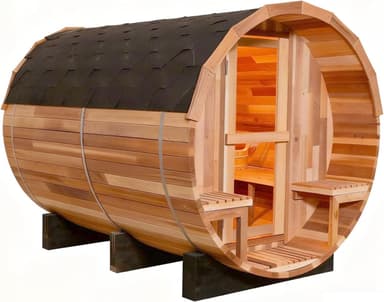
TOULE 6-8 Person Canadian Red Cedar Barrel Sauna
- Barrel shape eliminates uneven heat and shortens warm-up time noticeably
- Canadian Red Cedar resists moisture, rot, and handles temperature swings well
- Triple waterproofing system is more thorough than most competitors offer
Contrast Therapy - Adding Cold to the Cardiovascular Protocol
The combination of sauna heat and cold water immersion - contrast therapy or "hot-cold cycling" - has a separate evidence base worth examining for cardiovascular applications.
Søberg and colleagues conducted a proof-of-concept study (n=48, eight weeks) examining a protocol of 10 minutes at 80°C followed by a two-minute cold plunge at 10°C (50°F), repeated three times per week. Compared to sauna alone, the contrast protocol enhanced heart rate variability (HRV) by 25% and reduced inflammatory markers by 15%. HRV is a strong indicator of cardiac autonomic health - higher HRV consistently predicts better cardiovascular outcomes in longitudinal research.
The physiological rationale for contrast therapy layering onto sauna benefits involves the catecholamine response to cold exposure. A brief cold plunge following sauna heat produces a surge in norepinephrine (typically 200-300% above baseline in cold water at 10°C) and dopamine. This catecholamine spike, occurring after the parasympathetic activation of the sauna, creates an oscillating autonomic challenge that appears to train heart rate variability upward with repeated exposure.
Practical Contrast Protocol
The Søberg protocol parameters translate practically as: complete 10 minutes of sauna at 170-185°F, exit and enter cold water at 50-60°F (10-15°C) for two minutes, repeat up to three cycles if tolerable. For people without access to a cold plunge, a cold shower at the lowest available temperature produces a smaller but directionally similar response.
The sequence matters: always end on cold rather than heat if the goal is alertness and HRV optimization. Heat as the final stage is better for sleep and parasympathetic recovery. These are different physiological endpoints, and the choice of endpoint depends on your timing - post-workout contrast ending cold, pre-sleep sauna ending warm.
Common Misconceptions - What the Research Does and Does Not Support
Several claims about sauna and cardiovascular health circulate widely in wellness communities, and they deserve direct evaluation against the evidence.
Misconception 1 - Infrared Penetration Means Superior Cardiovascular Effects
Infrared manufacturers frequently claim that near- and mid-infrared wavelengths penetrate 1.5-3 inches into tissue, heating muscles and organs directly rather than just skin surface. This is accurate physics. What does not follow from it is that this penetration produces superior cardiovascular outcomes compared to traditional convective heat. The documented cardiovascular benefits - vasodilation, arterial stiffness reduction, HSP upregulation - result from core body temperature elevation, not the route by which that temperature is achieved. The Finnish cohort, the gold standard data, used traditional convective heat exclusively.
Misconception 2 - Daily Unlimited Sauna is Optimal
The Laukkanen data does not suggest daily unlimited sauna use. The highest frequency category was four to seven sessions per week - not twice daily or unlimited sessions. Each session involved the traditional 15-20 minute duration, not hours. A single session at 185°F produces 1-2 liters of sweat. Daily sessions without adequate hydration increase dehydration risk, orthostatic hypotension on exit, and electrolyte imbalance. The dose-response benefit plateaus; four to seven weekly sessions at appropriate duration represent the evidence-supported optimum, not an encouragement toward excess.
Misconception 3 - Sauna is Primarily a Detox Tool
Sweat does contain trace amounts of heavy metals and other compounds, but the proportion of total toxin elimination attributable to sweating is approximately 0.1% of what the kidneys and liver process. Framing sauna as primarily a detoxification tool misrepresents the actual cardiovascular mechanisms and attracts a different set of expectations. The cardiovascular benefits come from vascular remodeling, autonomic nervous system recalibration, and HSP-mediated cellular protection - not toxin elimination.
Misconception 4 - Any Hot Room is Equivalent to Finnish Sauna Research
The Finnish research specifies traditional dry sauna, 80-100°C, 10-20% humidity, 15-30 minute sessions. A hot yoga class, a steam room, a warm bath, and an infrared cabin are not equivalent exposures. They may produce some overlapping benefits through shared mechanisms, but the mortality data is specific to the Finnish sauna context. Practitioners should be cautious about assuming the 50% CVD mortality reduction applies to entirely different heat exposures.
Misconception 5 - People with Heart Conditions Should Avoid Sauna
The Waon therapy CHF data specifically contradicts the instinct to prohibit sauna in cardiac patients. Post-myocardial infarction patients, stable angina patients, and supervised CHF patients have all been safely studied in sauna protocols. The contraindications are specific: acute illness, hemodynamic instability, recent cardiac surgery or stent placement within six weeks, uncontrolled arrhythmias, pregnancy, and significant orthostatic hypotension. Stable cardiac disease managed with medication is not in itself a contraindication - it is an indication for more careful monitoring during sessions, keeping heart rate below 140 bpm and session length conservative at 10-15 minutes initially.
Practical Application - Building a Cardiovascular Sauna Protocol
The research is specific enough to support concrete recommendations for different populations and goals.
For Cardiovascular Prevention in Healthy Adults
The evidence-optimal protocol for primary cardiovascular prevention mirrors the Finnish cohort parameters: traditional dry sauna at 170-185°F (77-85°C), 15-20 minutes per session, four sessions per week minimum. Post-exercise timing (within 15 minutes of completing a workout) adds the superior cardiorespiratory fitness benefits documented in the Patrick 2022 protocol.
Hydration is not optional. Arrive with 500mL-1L of water consumed in the preceding hour. Replace fluids immediately after. A standard 15-20 minute traditional sauna session produces roughly 0.5-1.5 liters of sweat depending on temperature and individual variation.
Frequency progression matters if you are starting from zero. Begin at one to two sessions per week for the first two weeks while your body adapts to the heat stress. Move to three sessions in week three and four, then to four or more sessions from week five onward if recovery is comfortable.
For Hypertension Management
The targeted goal here is the chronic 8-12 mmHg systolic reduction documented in regular sauna users. That reduction requires consistency - three to four sessions per week over eight or more weeks before expecting measurable chronic blood pressure change. The post-exercise sauna protocol in the Patrick 2022 data produced 7.2 mmHg systolic reduction in eight weeks of combined training. Home blood pressure monitoring before and after individual sessions, and weekly tracking of resting morning blood pressure, provides useful feedback on your individual response.
Anyone taking antihypertensive medications should discuss sauna protocols with their physician before starting. The combination of medication-induced vasodilation and heat-induced vasodilation can amplify blood pressure drops to symptomatic levels.
For Individuals Managing Established Cardiovascular Disease
Stable coronary artery disease, prior myocardial infarction more than six weeks prior, stable heart failure, and controlled hypertension are not absolute contraindications to sauna use - the research is clear on this. The appropriate modifications are: start with lower temperatures (140-160°F rather than 185°F), shorter sessions (10 minutes initially), and less frequent use (twice weekly at first). Use infrared or Waon-style protocols for the first weeks if traditional heat feels excessive. Monitor heart rate and exit if it exceeds 140 bpm. Have someone else present during early sessions.
The goal for this population is accessing the parasympathetic activation, HSP upregulation, and modest hemodynamic training effects without creating acute hemodynamic stress that an already-compromised cardiovascular system cannot accommodate safely.
Cost and Infrastructure Considerations
A quality traditional outdoor barrel sauna capable of reaching the research-relevant temperatures (170-195°F) requires a 240V/30-50A dedicated electrical circuit - plan $500-1,500 for electrician installation in addition to the sauna unit cost. Ongoing operating cost for a 6kW heater at the US average residential rate of 14.5 cents per kWh runs approximately $1.20 per hour. Three sessions of 45 minutes (including warm-up time) per week costs roughly $7-9 per week, or $350-450 annually. That is substantially less than most comparable cardiovascular health interventions.
Infrared saunas draw 1.5kW on 120V circuits (standard household plug-in) and cost approximately $0.40 per hour to run - about $200 annually for the same session frequency. The lower infrastructure cost makes infrared accessible without electrical upgrades, which is a legitimate practical advantage even if the cardiovascular evidence base is narrower.
Key Takeaways
- ●
The dose-response relationship is the strongest evidence signal we have. The Laukkanen 2015 study found that men bathing 2-3 times per week cut fatal CVD events by 27%, while those bathing 4-7 times per week cut them by 50%. When risk drops in a clean, stepwise gradient with frequency, random confounding becomes a much less credible explanation than a real physiological effect.
- ●
Sudden cardiac death risk shows the most dramatic reduction. At 4-7 sessions per week versus once weekly, the Laukkanen cohort showed a 63% reduction in sudden cardiac death - the most feared and unpredictable cardiovascular outcome. That figure deserves more attention than it typically gets in mainstream wellness coverage.
- ●
The mechanisms are real and measurable, not theoretical. Vasodilation increases cardiac output by 10-20% per session. Nitric oxide-mediated endothelial improvements, HSP70/90 upregulation (2-5x after 30 minutes at 80°C), norepinephrine reduction of roughly 40%, and CRP suppression are all documented acute effects, not hypothetical downstream benefits.
- ●
Combining sauna with exercise outperforms either intervention alone. The Patrick and Johnson 2022 trial (n=60, 8 weeks) found VO2max improved 14.5% with exercise plus post-workout sauna versus 10.2% with exercise alone. Systolic blood pressure dropped 7.2 mmHg versus 4.1 mmHg. If you already exercise, adding 15 minutes of sauna afterward is among the highest-return additions you can make.
- ●
Infrared saunas have real but narrower evidence. The Tei 2009 Waon trials at 60°C showed meaningful improvements in advanced heart failure patients - +44.9 meters on the 6-minute walk test, reduced cardiothoracic ratio. But the Finnish population-level mortality data applies specifically to traditional 80-100°C sessions. Infrared claims that inflate efficacy by 30% beyond what the trials support are common in marketing and worth treating skeptically.
- ●
The evidence base has significant gaps that honest reporting requires acknowledging. All Finnish cohort data comes from middle-aged men. Most RCTs run only 2-12 weeks. There are no large female cohorts and no long-term US population data. The associations are compelling, but the causal architecture still needs long-term randomized trials to fully establish.
- ●
Cost is not a barrier to the research-relevant protocol. Three 45-minute traditional sauna sessions per week - the threshold associated with meaningful cardiovascular benefit - costs roughly $350-450 annually in electricity. That is less than most gym memberships and vastly less than pharmaceutical cardiovascular interventions.
Who This Is For, Who Should Skip It
Who Benefits Most From This Evidence
Healthy adults in their 40s, 50s, and 60s who want to add a low-effort cardiovascular stimulus to an exercise routine are the clearest beneficiaries here. The Finnish cohort data represents exactly this population. If you already exercise three or more times per week and want to amplify cardiorespiratory fitness gains without adding more workout volume, 15 minutes of post-exercise sauna at 170-195°F (77-91°C) is one of the most research-supported additions available.
People with treated, stable hypertension also have a strong case for regular sauna use. The Gayda 2012 trial showed HRV improvement of 18% in untreated hypertensives, and the Brunt 2016 passive heat trial found arterial stiffness reductions of 45% after 8 weeks of daily sessions. The acute systolic BP drop of 11-15 mmHg post-session is well-documented. Discuss frequency and temperature with your cardiologist, but the mechanistic case for hypertensive patients is solid.
Chronic heart failure patients - specifically those at NYHA Class II-III - have Waon therapy evidence behind them. The 60°C infrared protocol is the relevant modality here, not traditional Finnish temperatures.
Who Should Skip It or Proceed With Serious Caution
People taking antihypertensive medications, diuretics, or beta blockers should use caution and shorter initial sessions (10 minutes maximum) because the hemodynamic effects compound. Anyone over 70 with a sedentary baseline and no recent cardiovascular screening should get clearance before beginning a regular protocol.
What to Read Next
If this evidence review has you ready to act on the research, these guides are the logical next steps.
Best Premium Barrel Saunas - My hands-on review of the outdoor barrel sauna models that reliably hit the 170-195°F range where the cardiovascular research is concentrated. I cover build quality, heater output, and which units actually deliver research-relevant temperatures versus those that fall short.
All Sauna Guides - The full library of UseSauna.com guides covering infrared versus traditional comparisons, installation requirements, recovery protocols, and specific health condition guidance. Start here if you want to match a sauna type to your specific situation.
Frequently Asked Questions
How many sauna sessions per week do I need for cardiovascular benefit?
The Laukkanen 2015 study gives us the clearest answer: 2-3 sessions per week produce a 27% reduction in fatal cardiovascular events, and 4-7 sessions per week produce a 50% reduction. These are adjusted figures accounting for age, smoking, alcohol, BMI, blood pressure, lipids, diabetes, CRP, and socioeconomic status across 2,315 men followed for 20.7 years. The practical floor for meaningful benefit appears to be twice weekly. Once weekly shows no statistically significant mortality advantage over non-users in the cohort data. Three times per week is the minimum I recommend to anyone serious about the cardiovascular application.
Does sauna actually lower blood pressure?
Yes, with two distinct effects. Acutely, systolic blood pressure drops 11-15 mmHg in the hours following a session - a transient effect driven by heat-induced vasodilation and nitric oxide release. Chronically, the Brunt 2016 trial found arterial stiffness reductions of 45% after 8 weeks of daily passive heat therapy at 100°C, with corresponding sustained blood pressure improvements. The Patrick and Johnson 2022 exercise-plus-sauna protocol produced systolic reductions of 7.2 mmHg versus 4.1 mmHg with exercise alone over 8 weeks. Neither effect replaces antihypertensive medication, but the magnitude is clinically meaningful and the evidence for it is more consistent than for most lifestyle interventions.
Is infrared sauna as good as traditional sauna for heart health?
The honest answer is: probably beneficial, but the evidence is thinner and less comparable. The Finnish mortality data that shows 50% CVD mortality reduction applies to traditional saunas operating at 80-100°C (176-212°F). Infrared saunas operate at 49-60°C (120-140°F). The Tei Waon therapy trials show real cardiovascular improvements in heart failure patients at 60°C infrared temperatures - improved 6-minute walk distance, reduced cardiothoracic ratio, 73% reduction in premature ventricular contractions. But these are short-term trials in clinical populations. Infrared marketing frequently inflates efficacy claims by roughly 30% beyond what the actual trials support. I treat the infrared evidence as promising but not equivalent to the Finnish traditional sauna data.
Can sauna replace exercise for cardiovascular health?
No, and I want to be direct about this because the "passive exercise" framing in popular wellness content is misleading. Sauna produces some overlapping cardiovascular adaptations - cardiac output increases, heart rate rises, endothelial function improves - but it does not produce the skeletal muscle adaptations, insulin sensitivity improvements, or VO2max gains that structured aerobic exercise generates on its own. The Patrick and Johnson 2022 data is instructive here: exercise alone improved VO2max by 10.2%, while exercise plus sauna improved it by 14.5%. Sauna amplifies exercise adaptations. It does not substitute for them. If forced to choose between exercise and sauna, exercise wins without contest.
Is sauna safe immediately after exercise?
Yes, and for most healthy adults, immediately post-exercise is actually the optimal timing. The research protocols that produced the best cardiovascular outcomes used 15 minutes of sauna within 30 minutes of completing exercise sessions. The combined hemodynamic stress is well-tolerated in healthy individuals because post-exercise cardiovascular capacity is elevated. The practical precaution is hydration - drink 16-20 oz of water before entering post-workout, because exercise-induced sweat loss combined with sauna losses can total 1-1.5 liters per session. People with hypertension or cardiac history should use shorter post-exercise sessions (10 minutes, 160°F maximum) until they establish their individual response.
What temperature do I need to reach for cardiovascular benefits?
The Finnish cohort data used traditional saunas at 80-100°C (176-212°F). Within this range, the Laukkanen 2018 analysis found that benefits were largely independent of the specific temperature - the cardiovascular outcomes were similar whether sessions were at the lower or upper end of the traditional range. The practical implication is that 170°F (77°C) appears sufficient to trigger the vasodilation, HSP upregulation, and cardiac output increases that drive the benefits. The critical variable appears to be frequency and session duration (15-30 minutes), not hitting the maximum possible temperature. Infrared saunas at 120-140°F produce measurable physiological effects but have not been tested in long-term population studies.
Are the cardiovascular benefits different for women than men?
This is the most significant evidence gap in the field. The primary Finnish cohort data enrolled only men (2,315 middle-aged males). The Hussain and Cohen 2018 systematic review and the available RCT data show no mechanistic reason why women's cardiovascular systems would respond differently to heat stress - the vasodilation, HSP induction, and nitric oxide pathways are not sex-specific. The Laukkanen 2018 cohort extension found that "trends are consistent" in female sub-analyses, but female event rates were too low to achieve statistical power for definitive conclusions. I read the mechanistic and trend data as suggesting similar benefits, but any clinician citing specific risk reduction percentages for women from the Finnish data is extrapolating beyond what the evidence directly supports.
Frequently Asked Questions
Traditional Finnish saunas are the best choice for cardiovascular health, with a 20-year Finnish study showing that 4-7 sessions per week reduced sudden cardiac death risk by 63% and fatal heart disease risk by 50%. They raise heart rate to 120-150 beats per minute, mimicking moderate exercise and triggering cardiovascular conditioning, improved circulation, and lower blood pressure. If you prefer gentler heat, infrared saunas offer cardiovascular benefits like improved circulation and blood pressure reduction, though they lack the long-term outcome data that traditional saunas have. For optimal results, experts recommend combining both types: traditional sauna 2-4 times weekly for cardiovascular stress and longevity benefits, plus infrared sauna 3-5 times weekly for recovery.
Backed by Peer-Reviewed Research
Health claims on this page are verified against peer-reviewed studies by our health editor, Dr. Maya Chen.
- Association Between Sauna Bathing and Fatal Cardiovascular and All-Cause Mortality Events
Laukkanen T, Khan H, Zaccardi F, Laukkanen JA (2015)
20-year study found frequent sauna use (4-7 times/week) was associated with 40% lower all-cause mortality.
- Cardiovascular and Other Health Benefits of Sauna Bathing
Laukkanen JA, Laukkanen T, Kunutsor SK (2018)
Regular sauna bathing reduces risk of cardiovascular disease, hypertension, and neurocognitive diseases.
- Clinical Effects of Regular Dry Sauna Bathing
Hussain J, Cohen M (2018)
Evidence supporting sauna bathing for pain conditions, chronic fatigue, and cardiovascular improvements.
Related Guides
Affiliate Disclosure - UseSauna earns a commission from qualifying purchases through our Amazon affiliate links. This does not affect our editorial integrity.