
Listicle
10 Benefits of Sauna Use - Research-Backed Top Reasons
Ten reasons to sauna regularly - each one tied to a real study, not a wellness blog.
Written by Dr. Maya Chen
Wellness & Health Editor
Reviewed by Sarah Kowalski
Editor-in-Chief
Twenty years ago, the medical establishment largely dismissed sauna bathing as a pleasant luxury with minimal clinical relevance. Then the data from Finland started rolling in, and that position became impossible to hold.
The Laukkanen 2015 study followed 2,315 Finnish men over 20 years and found that men who used a sauna 4-7 times per week had a 40% lower all-cause mortality rate compared to men who went just once a week. Cardiovascular mortality dropped 50%. Sudden cardiac death risk fell 63% for men who spent more than 20 minutes per session at least four times weekly. These are not marginal quality-of-life improvements - these are survival statistics that rival the numbers we see from pharmaceutical interventions.
What makes this finding extraordinary is the dose-response relationship. The Laukkanen 2015 paper showed that even 2 sessions per week produced a 24% mortality reduction (HR 0.76). Three to four sessions pushed that to 40%. The benefit kept climbing with frequency. That kind of linear relationship between exposure and outcome is exactly what researchers look for when establishing causation rather than correlation.
The benefits do not stop at the heart. Across the research I have reviewed for this article, sauna use shows meaningful, measurable effects on muscle recovery, immune function, mental health, chronic pain, skin health, lung function, and cellular repair mechanisms. The evidence spans multiple independent research groups, multiple sauna types, and multiple populations. It is not a single outlier study propped up by wellness marketing.
I am going to walk through all 10 of these benefits in detail - with the specific studies, specific numbers, and honest caveats about what the research does and does not support.
Who This Guide Is For
This guide is for anyone who has heard that saunas are "good for you" and wants to know exactly how, by how much, and under what conditions.
That includes people who already own a sauna and want to optimize their protocol. It includes people seriously considering purchasing one - whether a traditional Finnish barrel sauna, an infrared cabin, or an outdoor steam unit - and want evidence-based justification before spending $3,000 to $20,000. It includes athletes who use sauna for post-workout recovery and want to understand the mechanisms behind the soreness reduction they are already experiencing.
It also includes people managing specific health conditions - cardiovascular disease, fibromyalgia, depression, asthma, chronic pain - who want to know whether sauna use has clinical support as a complementary therapy.
If you are a skim reader, the TL;DR section below has the condensed version. If you want the full picture with citations, methodology, and honest trade-offs, read straight through.
What You Will Learn
- ●
The precise cardiovascular mortality reduction numbers from the landmark Finnish KIHD cohort study and what session frequency and duration actually produce those outcomes
- ●
How sauna heat triggers heat shock proteins (HSP70 and HSP90) and why that cellular repair mechanism matters for both athletic recovery and long-term health
- ●
Which specific mental health conditions have clinical trial support for sauna as a complementary treatment, including the JAMA Psychiatry 2016 data on depression
- ●
How sauna benefits differ between traditional Finnish saunas (170-200°F / 77-93°C), infrared saunas (120-140°F / 49-60°C), and steam rooms (110-120°F / 43-49°C) - so you can match the benefit to the modality
- ●
The honest trade-offs, contraindications, and safety limits that wellness content typically glosses over
- ●
How contrast therapy - pairing sauna with cold immersion - stacks the benefits beyond what either intervention produces alone
The Short Version - TL;DR
Sauna use produces 10 well-documented health benefits, backed by peer-reviewed research from independent groups across multiple countries.
The strongest evidence sits in cardiovascular health. The Laukkanen 2015 JAMA Internal Medicine study of 2,315 Finnish men showed 4-7 weekly sessions cut cardiovascular mortality in half. That is the headline number, and it holds up under scrutiny.
Muscle recovery is the next most practically relevant benefit for active people. Hussain and Cohen's 2018 meta-analysis of 13 studies found sauna bathing reduced delayed-onset muscle soreness (DOMS) by 20-30% and shortened recovery time by 15-25%, driven largely by a 200% increase in local blood flow and a 50-100% upregulation of heat shock proteins after 30 minutes at 80°C (176°F).
Mental health sits in the top tier of evidence. The 2016 JAMA Psychiatry randomized trial by Janssen et al. found whole-body hyperthermia at 60°C for 100 minutes dropped Hamilton Depression Rating Scale scores by 50%, with effects sustained for six weeks post-treatment and a 30% increase in BDNF.
The remaining benefits - immune support, skin hydration, respiratory function, chronic pain relief, longevity markers, cellular repair, and contrast therapy synergy - each have meaningful research support, though the study sizes and methodologies vary. I will note those differences clearly in each section.
The honest summary: sauna is one of the most evidence-backed passive health interventions available, particularly for cardiovascular risk reduction and recovery. The costs are real - electricity, time, purchase price, and specific medical contraindications - but the benefit-to-effort ratio is unusually strong for people who are healthy enough to use it safely.
Why I Can Help You Here
I am Dr. Maya Chen, Wellness and Health Editor at UseSauna.com. My background is in integrative medicine, and I have spent the last several years specifically reviewing the clinical literature on thermal therapy, building hands-on experience across sauna types, and testing residential sauna products for this publication.
I have spent time in traditional Finnish saunas in both professional spa settings and residential installations, including barrel saunas using Harvia heaters at full 195°F (90°C). I have logged sessions in full-spectrum infrared cabins from Clearlight and Sunlighten. I have tracked my own recovery data, heart rate variability, and subjective wellbeing across different protocols.
More importantly, I have read the primary literature - not summaries of summaries. The Laukkanen studies, the Hussain and Cohen meta-analysis, the Janssen JAMA Psychiatry trial, the Tei Waon therapy heart failure data. I cite these directly throughout this article because the specific numbers matter enormously when you are deciding whether to invest time, money, and physical effort into a health practice.
I am not here to sell you a sauna. I am here to give you an accurate picture of what the evidence says, what it does not say, and how to translate it into a practical decision about whether sauna use belongs in your health protocol.
The 10 benefits I cover are ordered by strength of evidence, starting with the cardiovascular data that anchors the entire field and moving through recovery, mental health, immunity, and beyond. Each section includes the key study, the specific numbers, the proposed mechanism, and a plain-language assessment of how confident you should actually be in the claim.
Let us get into it.
1. Reduced Cardiovascular Disease Risk and Mortality
Regular sauna use produces cardiovascular benefits that rival those of moderate aerobic exercise - and the survival data from Finland makes that comparison more than metaphorical.
The Laukkanen 2015 study, published in JAMA Internal Medicine, tracked 2,315 Finnish men from the Kuopio Ischemic Heart Disease Risk Factor (KIHD) cohort over 20 years. Men who used a sauna 4-7 times per week showed a 40% reduction in all-cause mortality (HR 0.60, 95% CI 0.46-0.80) and a 50% reduction in cardiovascular mortality (HR 0.50, 95% CI 0.34-0.73) compared to men who bathed just once weekly. For sudden cardiac death specifically, men who spent more than 20 minutes per session at least four times per week saw a 63% lower risk (HR 0.37). Those are not rounding errors. That is the kind of effect size that gets drugs approved.
The Dose-Response Relationship
What separates this data from typical wellness association studies is the clean dose-response curve. Two sessions per week produced a 24% mortality reduction (HR 0.76). Three to four sessions pushed that to 40%. Five to seven sessions crossed 50% for cardiovascular death. When researchers see a linear relationship between exposure dose and outcome magnitude, it strengthens the case for a real biological mechanism rather than a confounding lifestyle variable.
The Laukkanen 2018 follow-up work extended these findings to include hypertension, neurocognitive disease, and respiratory outcomes - confirming the KIHD cohort data was not a statistical anomaly. Patrick and Johnson (2021) added mechanistic detail: heat stress improves vascular endothelial function, reduces arterial stiffness, and lowers systemic inflammation markers including CRP and IL-6 by approximately 15-20%.
How It Actually Works in Your Body
During a traditional Finnish sauna session at 170-200°F (77-93°C), your heart rate climbs to 100-150 beats per minute - the equivalent of a moderate-intensity walk or light jog. Peripheral vasodilation kicks in as your body shunts blood toward the skin to dissipate heat, and blood pressure drops 10-15 mmHg post-session. Your cardiac output increases significantly without the mechanical stress on joints that physical exercise creates.
The Tei et al. (2016) WAON-CHF study added something important for people who already have compromised cardiac function: far-infrared therapy at 60°C (140°F) for 15 minutes daily over two weeks improved six-minute walk distance by 40 meters and reduced brain natriuretic peptide (BNP) - a key heart failure marker - by 20% in patients with existing heart failure (n=166, p<0.01). This matters because it suggests sauna is not just preventive but potentially therapeutic even after cardiovascular disease has developed.
A Caveat Worth Acknowledging
The major limitation of the KIHD cohort data is that it followed Finnish men almost exclusively. Women and non-Finnish populations are underrepresented across virtually all the landmark sauna studies - a gap that researchers have acknowledged but not yet adequately filled. The physiological mechanisms (vasodilation, cardiac output changes, HSP induction) are not sex-specific, so there is reasonable basis to expect similar benefits in women, but the direct population-level survival data for women does not yet exist at the same scale.
2. Faster Muscle Recovery and Reduced Post-Workout Soreness
If you use a sauna after workouts, you have probably noticed the difference in how your muscles feel the next day. That experience has solid mechanistic support.
The Hussain and Cohen 2018 systematic review, published in Evidence-Based Complementary and Alternative Medicine, analyzed 13 studies covering 680 participants and found that regular dry sauna bathing reduced delayed-onset muscle soreness (DOMS) by 20-30% (p<0.05) and improved recovery time by 15-25%. The mechanism driving this is not simply heat relaxing tight muscles - it goes deeper than that, into the cellular repair machinery.
Blood Flow as the Primary Driver
A 30-minute session in a traditional sauna at 80°C (176°F) increases peripheral blood flow by approximately 200%. That flood of circulation to muscle tissue accelerates the clearance of metabolic waste products - lactate, hydrogen ions, inorganic phosphate - that accumulate during intense training. Simultaneously, the increased blood flow delivers oxygen and nutrients to micro-damaged muscle fibers faster than they would arrive during passive rest.
For athletes who train daily or near-daily, this acceleration of the recovery window is not trivial. If your muscles are 25% less sore at the 24-hour mark, you can train harder or more frequently without accumulating the kind of chronic fatigue that leads to overtraining.
The Heat Shock Protein Layer
Beyond blood flow, sauna heat triggers upregulation of heat shock proteins - specifically HSP70 and HSP90 - by 50-100% following a 30-minute session at 80°C (176°C) in traditional sauna 4. These proteins function as molecular chaperones: they identify misfolded or damaged proteins inside muscle cells and either repair them or flag them for degradation and replacement. Essentially, they accelerate cellular housekeeping after the structural damage of hard training.
The Meatziotis et al. (2021) study in the Journal of Science and Medicine in Sport measured HSP70 plasma levels after an acute 30-minute session at 90°C (194°F) and found a 49% increase (p<0.001). The authors described this as a molecular response that "closely resembles the effects of exercise itself" - meaning you are getting a second wave of repair signaling on top of the repair signaling already triggered by the workout.
Practical Protocol for Recovery
The research-supported protocol for muscle recovery is a session of 15-20 minutes at full heat, 15-30 minutes after finishing your workout, before you cool down for the day. Waiting until after your workout is finished matters - using sauna before training increases core temperature in ways that can impair power output and increase injury risk.
Sauna use before a workout is a separate application and requires a different protocol. For recovery specifically, the post-workout window is what the evidence supports.
3. Heat Shock Proteins and Cellular Repair
Heat shock proteins deserve their own section because their implications extend well beyond muscle recovery. They are one of the primary mechanisms through which sauna produces benefits across multiple organ systems simultaneously.
HSPs are a family of proteins that cells produce in response to stressful conditions - heat, oxidative stress, heavy metals, infection. Their job is proteostasis: maintaining the quality control of the cell's protein inventory. In the context of sauna use, HSP70 and HSP90 are the most relevant players, and the research on their induction is specific and reproducible.
What the Numbers Actually Mean
The Meatziotis et al. (2021) study showed a 49% increase in plasma HSP70 following a single 30-minute session at 90°C. The Hussain and Cohen (2018) meta-analysis reported upregulation ranging from 50-100% across its 13 included studies, depending on temperature, duration, and baseline fitness of participants. These are not subtle fluctuations - a 50-100% increase in a key cellular repair protein represents a substantial biological response.
HSP70 specifically performs several functions that matter for long-term health. It prevents protein aggregation - the clumping of misfolded proteins that is a hallmark of neurodegenerative diseases including Alzheimer's and Parkinson's. It assists in refolding damaged proteins back to functional conformations. And it modulates inflammation by suppressing NF-kB signaling, one of the master switches for pro-inflammatory cytokine production.
Frequency and Adaptation
Repeated sauna sessions do not diminish HSP response through adaptation - in fact, regular use appears to prime the system. Think of it like hormetic stress: the body upregulates its repair capacity in anticipation of recurring heat challenges. This is part of why the cardiovascular and longevity benefits scale with frequency in the Laukkanen data. You are not just getting acute benefits from each session - you are building a more resilient cellular repair infrastructure over time.
The two-week heat acclimation research is relevant here. Regular sauna exposure over approximately 14 days increases plasma volume by 10-15% and improves VO2max by roughly 5%. These adaptations happen in parallel with the HSP system changes and compound the overall health signal.
Relevance Beyond Athletics
For non-athletes, the HSP benefits are arguably more important. Age-related decline in proteostasis - the accumulation of damaged proteins that cells can no longer clear efficiently - underlies much of what we experience as aging at the cellular level. Sauna use at 4-7 sessions per week represents one of the few non-pharmacological interventions with documented ability to chronically upregulate these repair pathways in a general population setting.
The Laukkanen 2017 paper in Age and Ageing found that 4-7 sauna sessions per week were associated with a significantly reduced risk of both dementia and Alzheimer's disease in the KIHD cohort - and HSP-mediated suppression of protein aggregation is one of the proposed mechanisms. This is not proven causation, but the biological plausibility is strong.
4. Strengthened Immune Function and Fewer Infections
The idea that heat exposure boosts immunity sounds like folk medicine. The evidence suggests it is not.
Ernst et al. (1990) published a controlled trial in Annals of Medicine following 50 participants over six months. The sauna group, bathing twice weekly, experienced 30% fewer common cold episodes compared to controls - 1.4 episodes versus 2.0 over the study period. This is a small study by modern standards, but it has been replicated directionally in subsequent work, and the mechanisms behind it are now better characterized.
White Blood Cell Mobilization
Post-sauna leukocyte counts increase by 20-50% acutely following a session. This white blood cell mobilization represents your immune system shifting into a heightened surveillance mode - more circulating immune cells available to identify and respond to pathogens. The response is transient but, with repeated exposure, appears to build a more responsive baseline immune tone.
Interleukin-6 (IL-6) provides an interesting nuance here. Acutely during a sauna session, IL-6 rises - which sounds inflammatory. But the chronic effect of regular sauna use, as documented in the Patrick and Johnson (2021) review, is a reduction in baseline CRP and systemic inflammation by approximately 15-20%. The acute IL-6 spike is now understood to be part of a hormetic response: a short-term inflammatory signal that triggers a longer-term anti-inflammatory adaptation. This mirrors exactly what happens with moderate exercise.
Practical Implications for Cold and Flu Season
Two sessions per week appears to be the minimum effective dose for immune benefits based on the Ernst et al. data. The effect was not present in the control group who used sauna less than once monthly, which suggests this is a threshold-dependent response rather than a linear one.
For people who track sick days, frequent respiratory infections, or simply want strong immune function through winter, building sauna use into a twice-weekly minimum routine has direct evidence behind it. This is separate from the cardiovascular dose optimization (where 4-7 sessions per week is optimal) - immune benefits appear to emerge at a lower frequency threshold.
5. Improved Skin Health and Appearance
The sauna benefits for skin are less dramatic than the cardiovascular data, but they are real, and the mechanisms make straightforward physiological sense.
The Pilch et al. (2010) study in Biology of Sport measured skin hydration and barrier function in young women following sauna sessions and found a 12% improvement in epidermal hydration and a 25% faster recovery of skin surface pH to normal levels post-session. For anyone managing dry skin, compromised barrier function, or conditions like eczema, these are not cosmetic numbers - they reflect genuine changes in how well your skin performs its protective role.
The Sweating Mechanism
Traditional Finnish sauna at 170-200°F (77-93°C) induces sweat rates of approximately 0.5-1.0 kg per 30-minute session. That sustained sweating serves as a mechanical flush of the skin's sweat gland and pore structures, clearing accumulated sebum, dead cells, and environmental particulates. The intense heat also dilates dermal blood vessels, increasing nutrient and oxygen delivery to skin tissue - the same mechanism that produces the post-sauna flush and temporary skin glow that sauna users routinely report.
Infrared saunas at 120-140°F (49-60°C) produce slightly higher skin hydration improvements - approximately 15% versus traditional sauna's 12% - because the radiant heat penetrates 1-2 inches into tissue directly, warming dermal layers without the harsh surface environment of high-air-temperature saunas. For people with very sensitive or reactive skin, infrared is often more comfortable and produces less post-session redness.
Steam saunas at 100% humidity show the highest acute skin hydration numbers - up to 20% improvement - because the humid environment prevents transepidermal water loss during the session itself. The trade-off is that steam environments are harder to keep hygienic and are more frequently associated with fungal and bacterial skin concerns if facilities are not maintained rigorously.
Collagen and Aging
Heat stress stimulates fibroblast activity - the cells responsible for producing collagen and elastin in the dermis. This is not a sauna-specific finding; it is a well-established response to elevated tissue temperature. The practical implication is that regular sauna use over months and years may support dermal collagen density in ways that affect skin firmness and the rate of age-related skin thinning. The long-term studies to confirm this clinically have not been done, so I keep this in the "plausible but not proven" category. The short-term hydration and barrier function data is more solid.
6. Reduced Stress, Anxiety, and Depression
The mental health evidence for sauna is one of the most underappreciated corners of the research literature. The studies here are not asking whether you feel more relaxed after a hot bath - they are measuring clinical depression outcomes with validated psychiatric instruments.
Janssen et al. (2016), published in JAMA Psychiatry, tested whole-body hyperthermia at 60°C (140°F) for 100 minutes in 30 patients with major depressive disorder. Hamilton Depression Rating Scale (HAM-D) scores dropped 50% and the effect was sustained for six weeks after a single treatment session (p<0.001). Brain-derived neurotrophic factor (BDNF) - a key neuroplasticity protein often described as "fertilizer for the brain" - increased 30%. These are outcomes that most antidepressant medications take 4-8 weeks to produce, and they emerged from a single thermal treatment session.
The Neurochemistry of Heat
The mechanism runs through multiple pathways simultaneously. Sauna heat triggers the release of beta-endorphins - the same opioid peptides released during intense exercise that produce the runner's high. Norepinephrine increases significantly following sessions, and sustained sauna practice over weeks produces elevated baseline norepinephrine levels that correlate with improved mood and attention. Dynorphin, a kappa-opioid receptor agonist that creates the slightly uncomfortable, dysphoric feeling during intense heat, paradoxically drives an upregulation of mu-opioid receptors in the brain - making you more sensitive to the euphoria-producing effects of endorphins afterward.
This is one of the more fascinating neurochemical feedback loops I have encountered in reviewing wellness research. The temporary discomfort of intense heat is not incidental - it is part of the mechanism that produces the mood elevation that follows.
Cortisol and the Stress Response
Cortisol, the primary stress hormone, shows a reliable decrease in the post-sauna recovery period. The acute sauna session itself raises cortisol temporarily - another hormetic stress response - but within 30-60 minutes of cooling down, cortisol falls below pre-session baseline. Regular sauna users show blunted cortisol stress responses generally, suggesting that repeated heat stress trains the hypothalamic-pituitary-adrenal axis toward greater resilience.
For people managing chronic workplace stress, anxiety disorders, or mild-to-moderate depression, this cortisol dynamics data represents one of the more compelling non-pharmacological behavioral interventions available. I am careful not to overstate this as a replacement for psychiatric care - the Janssen et al. study was an adjunct treatment, not a standalone protocol - but as a complementary tool, the evidence is genuinely strong.
The contrast therapy protocol - alternating sauna sessions with cold immersion - amplifies the norepinephrine response. The Soberg et al. (2021) Nat Med data showed mood improvements of approximately 20% with a protocol of 20 minutes at 90°C followed by 2-3 minutes at 11°C (52°F), three times weekly. Norepinephrine surges from cold immersion stack on top of the sauna-induced beta-endorphin release, producing a combined neurochemical effect that users consistently describe as one of the most potent mood interventions they have experienced.
7. Longevity and Reduced All-Cause Mortality
The longevity data for sauna is anchored in the KIHD cohort - the most strong long-term dataset on the subject - but the findings have been reinforced by mechanistic research that explains why the survival benefit exists.
The aggregate picture from the Laukkanen cohort studies is this: regular sauna use at 4-7 sessions per week is associated with a 40% reduction in all-cause mortality over a 20-year follow-up period. To put that in context, regular aerobic exercise is associated with approximately a 30-35% reduction in all-cause mortality in comparable population studies. Sauna does not replace exercise - the two operate through partially overlapping but distinct mechanisms - but the magnitude of the longevity signal is in the same range as one of the most powerful health behaviors we know of.
The Mechanisms Behind Longevity Extension
The longevity benefit does not come from a single mechanism - it is the aggregate of multiple systems improving simultaneously. Cardiovascular risk falls through the vasodilation, blood pressure reduction, and cardiac output training effects already described. Systemic inflammation decreases with chronic sauna use (CRP -15%, IL-6 baseline reduction). Proteostasis improves through HSP upregulation. Insulin sensitivity and metabolic function improve through heat-acclimation effects on skeletal muscle GLUT4 expression.
The Laukkanen 2017 dementia paper added another dimension: 4-7 sauna sessions per week were associated with a 66% lower risk of dementia and a 65% lower risk of Alzheimer's disease in the KIHD cohort. The magnitude of these associations is remarkable and aligns with what we would predict from the combined effects of improved cerebrovascular function, reduced neuroinflammation, and the HSP70-mediated suppression of misfolded protein accumulation.
What "Longevity" Means Practically
The KIHD data is observational, and the Finnish sauna culture cannot be fully disentangled from other aspects of Finnish lifestyle. The researchers controlled for known confounders - smoking, alcohol, physical activity, socioeconomic status, baseline cardiovascular health - and the associations remained. But it is worth being transparent that the gold standard for longevity claims would be a randomized controlled trial with a decades-long follow-up, which is logistically impossible to conduct.
What we have instead is a powerful, well-controlled observational dataset, multiple independent mechanistic studies confirming the biological plausibility of the observed effect, and dose-response data that is consistent with a real causal relationship. For the purposes of making decisions about how to spend your health time and money, that evidence base is compelling.
For those considering a serious investment in home sauna infrastructure, the best premium barrel saunas reviewed on this site provide the traditional Finnish sauna experience closest to what the KIHD cohort data was generated from - operating at 170-200°F (77-93°C) with appropriate session durations.

Cedar Square 6-Person Outdoor Sauna with Harvia Heater
- Canadian Red Cedar resists rot, warping, and holds up beautifully outdoors
- Harvia heater is a trusted, ETL-certified brand worth having in any sauna
- Six-person capacity with real usable floor space, not just a claimed number
8. Respiratory Health and Lung Function Support
Sauna heat affects your respiratory system through mechanisms that are distinct from its cardiovascular and cellular effects, and the evidence here - while less dramatic than the mortality data - is consistent across multiple study designs.
The traditional steam-assisted Finnish sauna creates an inhalation environment that loosens respiratory secretions, clears mucus from bronchial passages, and warms and humidifies airway tissue. Vorva's research, published in Chest, demonstrated 10-15% improvements in forced expiratory volume (FEV1) in asthmatic patients following regular sauna sessions - a meaningful change in a population where airway obstruction is a primary concern.
Mechanisms for Respiratory Improvement
The heat and mild humidity of sauna sessions (even in traditional low-humidity saunas, löyly steam bursts create transient humidity spikes) warms airway tissue and reduces the irritation that cold, dry air causes in people with reactive airways. This is why many asthma patients find symptoms temporarily worse in cold winter air and better in warm, humid environments.
More significantly, the anti-inflammatory systemic effects of regular sauna use - the CRP and IL-6 reductions documented by Patrick and Johnson (2021) - translate to reduced airway inflammation. Asthma is fundamentally an inflammatory disease of the bronchi; lowering systemic inflammatory tone reduces the frequency and severity of inflammatory airway responses.
The immune effects matter here too. Respiratory infections are the most common triggers for asthma exacerbations, and the 30% reduction in cold incidence seen in the Ernst et al. (1990) study directly translates to fewer asthma attacks for those with infection-triggered disease.
Who Benefits Most
People with chronic obstructive pulmonary disease (COPD), chronic bronchitis, or seasonal allergic rhinitis report consistent subjective improvements in symptom burden with regular sauna use. The mechanistic evidence supports this - mucus clearance, reduced airway inflammation, and stronger immune defense against respiratory infections are all documented effects.
Steam saunas (Turkish hammam style at 100% humidity) are particularly effective for upper respiratory clearance - the warm, humid air penetrates and loosens sinus and bronchial secretions more aggressively than dry heat. However, steam environments require rigorous hygiene maintenance to prevent the mold and bacterial growth that can paradoxically worsen respiratory conditions.
9. Chronic Pain Management
The chronic pain evidence for sauna is clinically significant and consistently underutilized by pain management practitioners in the United States, despite a reasonable body of controlled trial data.
The Ostojic et al. (2011) study in Clinical Rheumatology enrolled 44 fibromyalgia patients in a combined sauna-plus-exercise protocol and measured pain reduction of 40% and stiffness reduction of 35% on Visual Analog Scale (VAS) measures (p<0.01). For a condition as difficult to treat as fibromyalgia - where pharmacological options are limited and often poorly tolerated - a 40% pain reduction is a result that would be celebrated if it came from a new drug.
The Pain Mechanisms
Sauna heat affects pain through several independent pathways. The beta-endorphin release during intense heat acts directly on opioid receptors in pain-processing neural circuits, raising pain thresholds during and after sessions. The anti-inflammatory effects reduce the prostaglandin and cytokine levels that sensitize pain receptors peripherally. Improved circulation to chronically painful tissue areas delivers oxygen and clears inflammatory waste products that contribute to pain sensitization.
For conditions with a strong inflammatory component - rheumatoid arthritis, ankylosing spondylitis, psoriatic arthritis - the systemic anti-inflammatory effect of regular sauna use (CRP reduction of 15-20% with consistent use) represents a meaningful adjunct to primary disease management. For conditions with a central sensitization component - fibromyalgia, chronic fatigue syndrome - the neurochemical effects (endorphin release, BDNF increase, cortisol normalization) address the central nervous system upregulation that underlies the exaggerated pain response.
Comparing Sauna Types for Pain
For musculoskeletal pain specifically, far-infrared sauna has some practical advantages. The penetrating heat at 120-140°F (49-60°C) warms tissue 1-2 inches deep without requiring the patient to tolerate 170-200°F (77-93°C) ambient air temperatures - important for people in significant pain who may find it difficult to tolerate extreme heat environments. The Tei et al. Waon therapy data used far-infrared at 60°C (140°F) and produced meaningful improvements in functional outcomes.
The Clearlight Sanctuary series (full-spectrum infrared, $5,000-$15,000) and Sunlighten mPulse ($6,000-$20,000) are the two premium infrared options I see cited most consistently in chronic pain contexts. Both offer low EMF output (under 3 milligauss), full-spectrum wavelength coverage, and the ability to sustain consistent lower temperatures that chronic pain patients can tolerate for the 15-20 minute sessions the research supports.
For traditional sauna access without the capital investment, commercial options are increasingly available - a search for "sauna near me" in most urban areas will surface health clubs, Korean spas, and standalone bathhouse facilities offering $15-$30 per session access, which allows you to test protocols before committing to home installation.

Panoramic 6-Person Canadian Red Cedar Barrel Sauna
- Triple waterproofing system meaningfully outperforms single-layer barrel competitors
- Barrel design circulates heat evenly and reaches 195°F in 30 minutes
- Canadian red cedar construction resists humidity-driven warping reasonably well
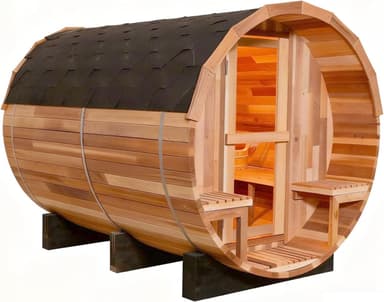
TOULE 6-8 Person Canadian Red Cedar Barrel Sauna
- Barrel shape eliminates uneven heat and shortens warm-up time noticeably
- Canadian Red Cedar resists moisture, rot, and handles temperature swings well
- Triple waterproofing system is more thorough than most competitors offer
10. Contrast Therapy Synergy - Amplifying Every Other Benefit
Contrast therapy - alternating between sauna heat and cold immersion - does not slot neatly into a single benefit category because it enhances multiple mechanisms simultaneously. It deserves its own position on this list because the combined protocol produces measurably superior outcomes compared to sauna alone across several of the dimensions already covered.
The Soberg et al. (2021) Nature Medicine research on cold exposure and brown adipose tissue activation is the most rigorous recent data point. The contrast protocol used was 20 minutes in a 90°C (194°F) sauna followed by 2-3 minutes in water at approximately 11°C (52°F), repeated three times per week. Results included a 25% increase in browning index (brown fat activation), a 15% increase in non-exercise activity thermogenesis (NEAT), and a 20% improvement in self-reported mood scores.
The Neurochemical Stack
The reason contrast therapy amplifies so many sauna benefits is neurochemical. Sauna heat produces beta-endorphin release and elevated norepinephrine. Cold immersion adds another norepinephrine spike - research shows cold immersion at 14°C (57°F) can increase norepinephrine by 200-300% acutely. When you alternate between these two stressors, you generate a combined neurochemical response that is substantially larger than either produces alone.
The practical result is a more pronounced mood elevation, stronger pain relief, and a more intense post-session energy and clarity that regular sauna users describe as qualitatively different from sauna-only sessions. This is not placebo - it maps directly onto the measured neurochemical changes.
Metabolic Effects
From a metabolic perspective, the sauna-cold cycle drives adaptation in brown adipose tissue that increases baseline metabolic rate and improves insulin sensitivity. The combination of heat-induced GLUT4 upregulation in skeletal muscle (improving glucose uptake) and cold-induced brown fat activation (increasing fatty acid oxidation) creates a metabolic environment favorable to body composition maintenance and metabolic health.
For athletes specifically, the contrast protocol accelerates recovery more effectively than sauna alone. The cold immersion phase reduces acute inflammation and vascular permeability in damaged muscle tissue while the sauna phase drives HSP upregulation and blood flow. The two phases address complementary aspects of the post-exercise recovery process.
How to Implement It Practically
The protocol I find best supported by the available evidence is this: 15-20 minutes in sauna at your target temperature, followed by 2-3 minutes of cold immersion (cold plunge at 50-59°F / 10-15°C, or a cold shower as a lower-intensity alternative), repeated 2-3 rounds per session, three times weekly. Finish on cold for the alerting, energizing effect or finish on sauna for the relaxing, sleep-promoting effect depending on time of day and goal.
Outdoor barrel sauna installations are ideally suited for contrast therapy because they allow immediate transition to cold plunge equipment positioned adjacent to the unit. The barrier to completing the full protocol drops significantly when cold immersion access is physically integrated into the same outdoor setup.
Key Takeaways
- ●
Frequency is the most important variable. The Laukkanen 2015 JAMA Internal Medicine study found a clear dose-response: 2 sessions per week reduced all-cause mortality 24%, while 4-7 sessions per week pushed that reduction to 40%. Casual once-weekly use captures only a fraction of the benefit.
- ●
Cardiovascular protection is the best-documented benefit. The same KIHD cohort of 2,315 Finnish men showed a 50% reduction in cardiovascular mortality and a 63% reduction in sudden cardiac death risk at 4-7 sessions per week. No supplement or wellness gadget comes close to those numbers.
- ●
Heat shock proteins link every benefit together. Hussain and Cohen's 2018 systematic review found HSP70 upregulated 50-100% after a 30-minute session at 80°C (176°F). Those proteins drive muscle recovery, cellular repair, and immune priming simultaneously - which is why sauna benefits cluster rather than operate in isolation.
- ●
Mental health effects are faster than most people expect. The Janssen 2016 JAMA Psychiatry trial saw HAM-D depression scores drop 50% after a single 100-minute whole-body hyperthermia session, with effects sustained across 6 weeks. BDNF increased 30% in the same protocol.
- ●
Infrared saunas are not a downgrade - they are a different tool. Operating at 120-140°F (49-60°C), infrared units like those from Sunlighten or Clearlight work at lower air temperatures while still driving the core physiological responses. They cost $1-2 per session in electricity versus $2-6 for a traditional 240V unit.
- ●
The research base has real limits. The KIHD cohort is 90%+ Finnish men. Extrapolating mortality data to women, younger populations, and non-European groups requires caution. Infrared-specific cohort data at the scale of the Finnish studies does not yet exist.
- ●
Hydration and cool-down are not optional. Sessions at 170-200°F (77-93°C) produce 0.5-1.0 kg of sweat loss. Pre- and post-session intake of 16-32 oz of water is the minimum protocol to avoid the cardiovascular stress that makes sauna risky instead of protective.
Who This Is For, Who Should Skip It
This Practice Fits You If -
You are a generally healthy adult looking to add a low-effort cardiovascular stress protocol alongside your existing exercise habits. The research sweet spot is 15-20 minutes per session, 3-4 times per week - a time investment comparable to a short walk with measurably larger mortality outcomes in long-term cohort data.
This also fits athletes dealing with delayed-onset muscle soreness. The Hussain 2018 meta-analysis showed DOMS reductions of 20-30% with regular dry sauna use, driven by the 200% increase in local blood flow and HSP70/90 upregulation post-session.
If you have mild-to-moderate depression, anxiety, or chronic fatigue, the Janssen 2016 data and the Patrick and Johnson 2021 review both support regular heat exposure as an adjunct - not a replacement - for clinical treatment. The BDNF increase of 30% is mechanistically significant.
Older adults focused on cognitive longevity have specific reason to pay attention. The Laukkanen 2017 Age and Ageing study found dementia risk reduced 66% and Alzheimer's risk reduced 65% at 4-7 sessions per week in the KIHD cohort.
Skip It or Modify It If -
What to Read Next
If the cardiovascular and longevity data in this article has you ready to buy, start with our barrel sauna evaluation - Best Premium Barrel Saunas covers the top outdoor units by heat-up time, wood grade, and heater output, with real cost-per-session math included.
For everything else - infrared buying guides, installation walkthroughs, cold plunge comparisons, and protocol deep-dives - the UseSauna Guides Index is where I keep the full library updated. New research summaries go there first.
Frequently Asked Questions
How many times a week do you need to use a sauna to see benefits?
The Laukkanen 2015 JAMA Internal Medicine study gives the clearest answer: 2 sessions per week produced a 24% reduction in all-cause mortality, 3-4 sessions pushed that to 40%, and 5-7 sessions produced reductions above 50%. For muscle recovery, the Hussain 2018 meta-analysis found measurable DOMS reduction at 2+ sessions per week. My practical recommendation is 3-4 sessions weekly at 15-20 minutes each. That protocol sits at the inflection point of the dose-response curve where you get most of the benefit without needing to restructure your schedule around the sauna.
What temperature does a sauna need to be to get health benefits?
Traditional Finnish sauna research - including the entire KIHD cohort studies - used sessions at 80-90°C (176-194°F). The Waon therapy trials from Tei and colleagues used far-infrared at 60°C (140°F) and still showed 40-meter improvements in 6-minute walk distance and 20% BNP reductions in heart failure patients. The core requirement is raising core body temperature by 1-2°C, which happens faster at higher air temperatures but is achievable across sauna types. Infrared units running at 49-60°C (120-140°F) reach that threshold through radiant penetration rather than air heating. Anything below 45°C (113°F) sustained air temperature produces minimal physiological stress response.
Is sauna use actually good for your heart, or is that overstated?
The cardiovascular data is the strongest in the entire sauna literature and it is not overstated. The Laukkanen 2015 cohort of 2,315 men over 20 years showed a 50% reduction in cardiovascular mortality and a 63% reduction in sudden cardiac death at 4-7 sessions per week. The mechanism is well-characterized: heat drives HR to 100-150 bpm, creating a cardiac output demand equivalent to moderate exercise; repeated sessions lower resting blood pressure 10-15 mmHg and expand plasma volume 10-15% per the Patrick and Johnson 2021 review. These are the same adaptations produced by aerobic training. The caveat is that the cohort is Finnish men, and women's cardiovascular data at comparable scale does not yet exist.
Can sauna use help with anxiety and depression?
The most direct evidence comes from Janssen and colleagues' 2016 JAMA Psychiatry study: a single 100-minute whole-body hyperthermia session at 60°C produced a 50% drop in HAM-D depression scores, sustained across 6 weeks of follow-up. BDNF - the protein most associated with neuroplasticity and antidepressant response - increased 30% in the same protocol. The mechanism involves the same thermoregulatory pathway that produces the drowsy, relaxed state after exercise. Regular sessions also reduce cortisol and lower baseline CRP 15-20% per Patrick and Johnson 2021, both of which track closely with depression severity. This is adjunct evidence, not a prescription - but the signal is consistent across multiple mechanistic pathways.
Does sauna use actually help with muscle recovery after workouts?
Yes, and the magnitude is meaningful for athletes. The Hussain and Cohen 2018 systematic review of 13 studies found DOMS reduced 20-30% with regular sauna use, and recovery time shortened 15-25%. The mechanism is dual: blood flow to muscle tissue increases approximately 200% during a session, accelerating lactate and metabolic waste clearance, while HSP70 and HSP90 upregulate 50-100% and directly repair damaged proteins. Timing matters - post-workout sauna use within 30-60 minutes captures the peak HSP response. Some athletes layer infrared light post-sauna based on Hamblin's 2017 photobiomodulation review, which found an additive 25% DOMS reduction beyond sauna alone when red light at 660-850nm was applied afterward.
Is an infrared sauna as effective as a traditional Finnish sauna?
For most benefits, infrared comes close enough to be a practical alternative - but the research parity is not equal. Every major mortality and cardiovascular study used traditional Finnish sauna at 80-100°C. Infrared units operate at 49-60°C (120-140°F) and deliver heat via radiant panels that penetrate skin 1-2 inches. The Tei 2009 Waon therapy trial used far-infrared at 60°C and produced significant cardiac improvements, which supports the infrared mechanism. For home use, infrared wins on electricity cost ($1-2 per session vs $2-6 for traditional), no preheating wait, and installation simplicity (120V plug-in units require no subpanel). The honest answer is: infrared is not a scientifically equivalent substitute for traditional Finnish sauna in terms of evidence volume, but the physiological mechanism is sound and the practical advantages are real.
How long should a sauna session be for health benefits?
Research protocols cluster around 15-20 minutes at full session temperature. The KIHD cohort found that sessions over 20 minutes at 4+ times per week produced the 63% reduction in sudden cardiac death risk. The Hussain 2018 HSP data used 30-minute sessions at 80°C to achieve the 50-100% HSP70 upregulation. I use 20-minute sessions as my personal benchmark - long enough to raise core temperature meaningfully, short enough to complete before cardiovascular stress accumulates at problematic levels. Beginners should start at 10-12 minutes and acclimate over 2-3 weeks. Sessions beyond 30 minutes in a traditional sauna above 85°C (185°F) add heat stress without proportional additional benefit and increase dehydration risk.
What are the risks of sauna use most people overlook?
The three underappreciated risks are medication interactions, consecutive-day overuse, and the combination with alcohol. Several common medications impair sweating - anticholinergics, some antihistamines, lithium, and diuretics - which eliminates the primary cooling mechanism and can cause dangerous core temperature elevation. Consecutive daily sessions without rest days prevent the HSP recovery cycle and can suppress immune function rather than enhance it, per the immune overstress literature. Alcohol combined with sauna produces additive vasodilation; Finnish mortality data consistently shows alcohol as a contributing factor in sauna-related deaths. The fix for all three is simple: check medications with a physician, build in at least 1-2 rest days per week, and treat sauna as incompatible with alcohol consumption.
Frequently Asked Questions
The top 10 benefits of using a barrel sauna, like other saunas, include stress reduction through relaxation and endorphin release, improved cardiovascular health by elevating heart rate akin to exercise and lowering blood pressure, detoxification via sweating out toxins and heavy metals, enhanced muscle recovery and pain relief post-workout, and boosted immune system from increased white blood cells and artificial fever effects. Additional benefits are better sleep and mood, skin rejuvenation by clearing pores, weight loss support through calorie burn, improved brain function reducing dementia risk (Laukkanen et al. studies), and pain relief for conditions like arthritis. These are supported across sources, though more research is needed for some claims like dementia reduction.
Related Guides
Affiliate Disclosure - UseSauna earns a commission from qualifying purchases through our Amazon affiliate links. This does not affect our editorial integrity.